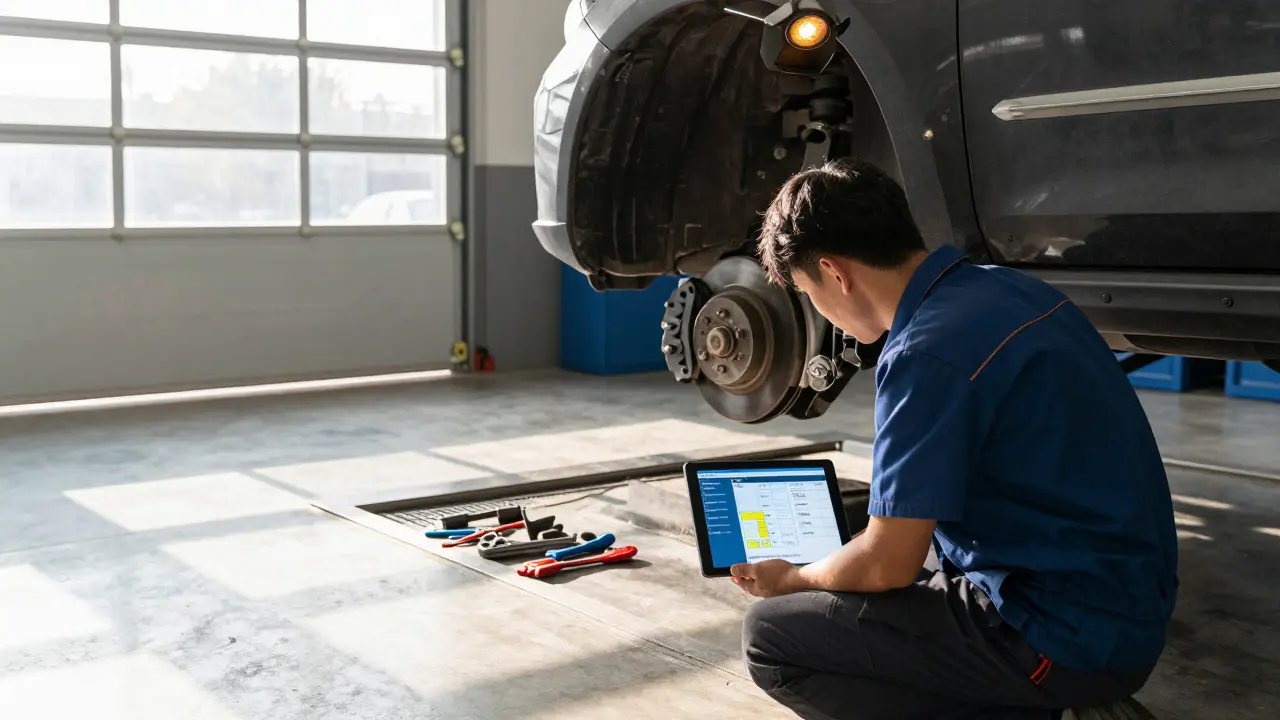
Every year, millions of drivers in the U.S. get behind the wheel knowing their car must pass a state inspection. But what you need to do, where you need to go, and what gets checked varies wildly depending on where you live. One state might only check your brakes and lights. Another could demand a full emissions test, a VIN verification, and even a safety inspection for your trailer hitch. There’s no national standard-just a patchwork of rules that can leave even experienced drivers confused.
Why State Inspection Rules Are So Different
The reason state inspection programs vary comes down to three things: air quality, accident rates, and political priorities. States with high pollution levels-like California, New York, and Illinois-have strict emissions testing because they’re trying to meet federal clean air standards. Rural states with low population density and cleaner air, like Montana or Wyoming, often don’t require any inspection at all. Then there are states like Pennsylvania and Virginia, where safety is the main focus, so they check everything from tire tread to steering alignment.
Some states dropped inspections during budget cuts in the 2010s. Others added them after rising crash numbers. In 2023, Ohio reinstated its emissions test in six counties after a study showed vehicle pollution contributed to 200 premature deaths annually in those areas. So if your state changed its rules recently, it’s probably because someone did the math-and decided the cost of not inspecting was higher than the cost of doing it.
What Gets Checked in a Typical Inspection
Even though rules differ, most inspections cover the same core areas. Here’s what you’re likely to see:
- Brakes: Pad thickness, rotor condition, fluid leaks, and overall stopping power. Worn brakes are the number one reason vehicles fail.
- Lights: Headlights, brake lights, turn signals, hazard lights, and license plate lights. One burnt-out bulb can mean an automatic fail.
- Tires: Tread depth (minimum 2/32 inch in most states), uneven wear, bulges, and proper inflation. Bald tires are a major safety risk.
- Steering and Suspension: Worn ball joints, shocks, struts, and alignment. A loose steering wheel or wobbly ride won’t pass.
- Exhaust System: Leaks, rust, and emissions output. In states with emissions testing, this is the most technical part of the check.
- Windshield and Wipers: Cracks larger than 3 inches in the driver’s line of sight are usually a fail. Wipers that streak or skip also get flagged.
- Seat Belts: All belts must latch, retract, and show no fraying or damage.
Some states also check for roll bars, trailer hitches, or even window tint levels. In Maryland, for example, tint that blocks more than 35% of light from entering the front windows is illegal. In Texas, they check for aftermarket modifications that could affect safety, like lifted suspensions without proper lighting upgrades.
States with Emissions Testing: Who Needs It and When
If you live in a metro area, chances are you’ll need an emissions test. The EPA designates certain counties as non-attainment areas for air quality. In 2025, 32 states require emissions testing in at least some regions. Here’s how it breaks down:
- Strictest: California requires a biennial smog check for most vehicles older than 6 years. Diesel vehicles have separate rules.
- Common: New York, Colorado, Illinois, and Pennsylvania test gas-powered vehicles every two years. Electric vehicles are exempt.
- Only for older cars: In states like Arizona and Georgia, only vehicles 20+ years old need emissions testing.
- Only in cities: In Missouri, only the St. Louis and Kansas City metro areas require testing. Rural drivers don’t need to worry.
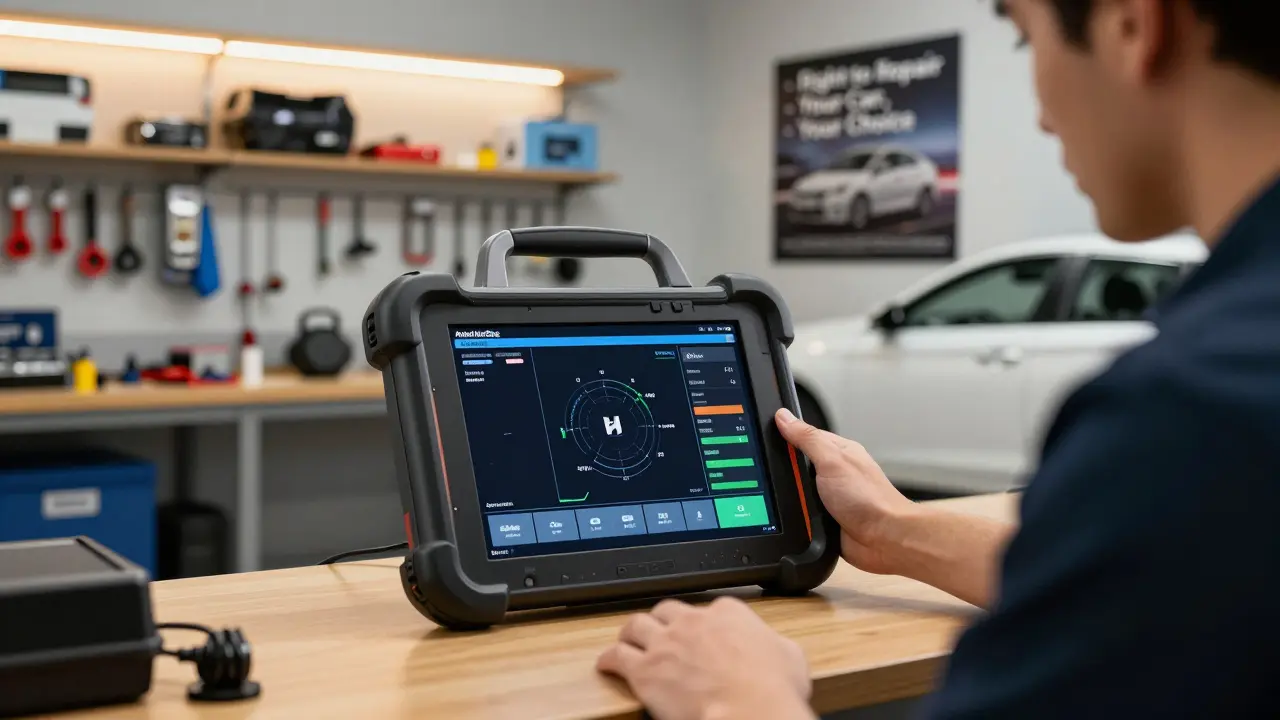
Some states use on-board diagnostics (OBD-II) scans. Your car’s computer checks emissions sensors and tells the inspector if anything’s wrong. Others still use tailpipe tests, where a probe is inserted into the exhaust. If your check engine light is on, you’re almost guaranteed to fail-no exceptions.
States with No Inspection at All
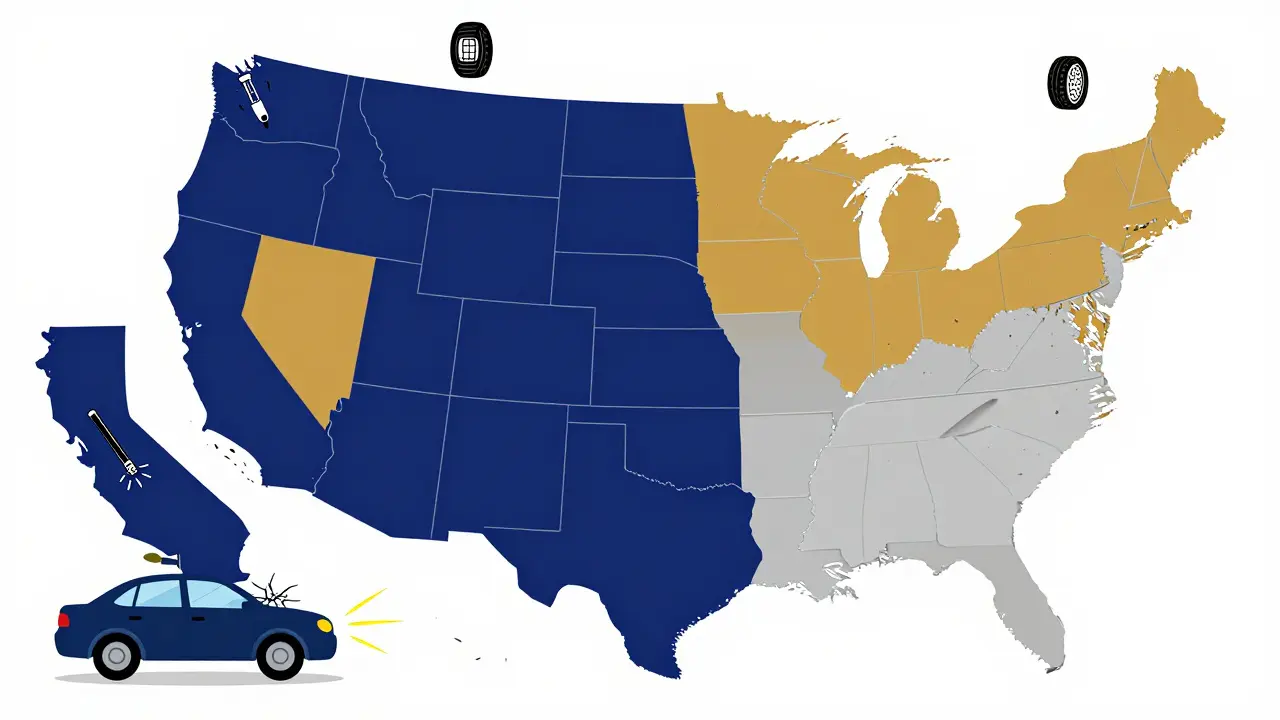
Don’t assume you’re safe just because you live in a state that doesn’t require inspections. Fifteen states have no mandatory inspection program for passenger vehicles as of 2025:
- Alaska
- Arkansas
- Florida
- Hawaii
- Minnesota
- Montana
- Nevada
- New Hampshire
- North Dakota
- South Carolina
- South Dakota
- Tennessee
- Wyoming
- Delaware
- North Carolina
Wait-North Carolina? That’s right. They eliminated their safety inspection in 2022, though emissions testing still exists in 23 of its 100 counties. So even if your state says “no inspection,” check your county. Some local governments still enforce their own rules.
How Much Does It Cost?
Costs range from free to over $100. Most states charge between $10 and $30. Here’s a snapshot:
- Low-cost: Texas ($25), Ohio ($20), Virginia ($20)
- Mid-range: New York ($37), Pennsylvania ($39), Illinois ($40)
- High-cost: California ($70-$90 depending on vehicle type), Maryland ($70)
Some states offer discounts for seniors, low-income drivers, or hybrid/electric vehicles. In Oregon, EV owners pay nothing for emissions testing. In Massachusetts, you get a $10 rebate if you pass on your first try. Always ask-many mechanics don’t mention these unless you ask.
What Happens If You Fail?
Failing an inspection doesn’t mean you can’t drive. But you’ll get a report listing what’s wrong and a deadline to fix it-usually 30 to 60 days. You can’t renew your registration until you pass. If you ignore it, your registration will expire, and you risk getting pulled over and fined.
Some states let you get a second inspection for free or at a reduced rate if you return to the same station. Others require you to go to a certified repair shop first. In New Jersey, if you fail twice, you have to get a diagnostic from a state-approved mechanic before you can try again.
Don’t try to trick the system. Some people unplug the check engine light or reset codes right before testing. Modern systems detect tampering. If the inspector sees that the readiness monitors aren’t complete, you’ll fail automatically-and you might get flagged for fraud.
How to Prepare for Your Inspection
Here’s how to avoid surprises:
- Check your lights. Walk around your car and test every bulb. Use a friend to help with brake lights.
- Look at your tires. Use a penny: insert it head-first into the tread. If you can see Lincoln’s head, your tread is too low.
- Listen for exhaust leaks. A hissing or rattling sound under the car could mean a cracked pipe or loose clamp.
- Fix the check engine light. Even if your car runs fine, that light will make you fail. Get it scanned at AutoZone or O’Reilly’s-they’ll do it for free.
- Wash your car. Dirty windows and grimy license plates can lead to a visual fail. Clean the inside of the windshield too.
- Bring your documents. Registration, proof of insurance, and your inspection notice (if you have one).
Most inspections take 15 to 30 minutes. If the mechanic spends more than an hour, they’re probably doing extra work you didn’t pay for.
What’s Changing in 2025
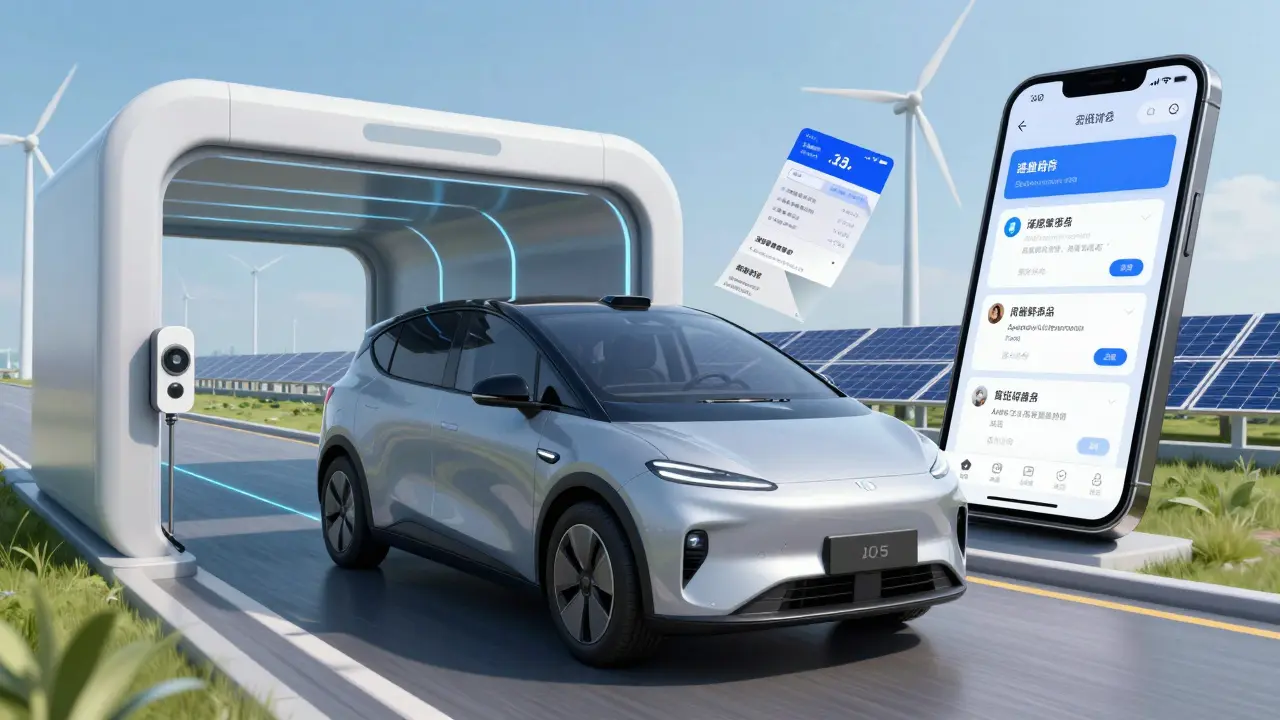
Electric vehicles are changing the game. As more EVs hit the road, states are rewriting rules. In 2024, 11 states passed laws exempting EVs from emissions tests. But safety inspections? Those are staying. EVs still need brake checks, tire inspections, and lighting tests.
Some states are moving toward digital inspections. In Georgia, you can now upload inspection results through the DMV app. In Washington, inspectors use tablets to send results directly to the state database. Paper stickers are disappearing.
And don’t be surprised if your state adds a new rule soon. Several are testing requirements for ADAS systems-like automatic emergency braking and lane-keeping assist. If your car has those features, they might need to be working to pass in the next few years.
Where to Get Your Inspection
You can usually get inspected at:
- State-run inspection stations
- Authorized repair shops (look for the official decal)
- Dealerships
- Some gas stations with inspection bays
Always verify the location is certified. A mechanic without a state-issued license can’t legally issue an inspection sticker. Search your state’s DMV website for a list of approved locations. Don’t rely on Google Maps-some listings are outdated.
What to Do If You’re Moving
If you’re relocating, you typically have 30 to 90 days to get your car inspected in your new state. But don’t wait. Some states require inspection before you can register the car at all. Others let you drive with your old sticker for a short time.
Check your new state’s DMV website. If you’re moving from a state with no inspection to one that requires it, budget for repairs. Your car might have hidden issues you never knew about.
And if you’re moving from a strict state like California to a no-inspection state like Florida? Don’t assume you’re off the hook. Some counties still require emissions tests for out-of-state vehicles during registration.
poonam upadhyay
December 22, 2025 AT 02:23Okay but let’s be real-why does California charge $90 for an emissions test when my cousin in Bangalore gets his scooter checked for 20 rupees and a samosa? I mean, I get the tech, I get the regulations, but $90?! That’s like paying for a weekend getaway and getting a flashlight in return. And don’t even get me started on the ‘readiness monitors’-like my car has to pass a personality test before it’s allowed to breathe?!
Shivam Mogha
December 22, 2025 AT 11:36Check engine light on? Fix it before the inspection.
mani kandan
December 23, 2025 AT 05:44It’s fascinating how state policies reflect local priorities-clean air in cities, safety in high-traffic zones, and pragmatism in rural areas. I’ve lived in both Chicago and rural Nebraska, and the difference in inspection culture is stark. One feels like a bureaucratic ritual, the other like a polite suggestion. Still, I appreciate that some states are adapting-especially with EVs. The future’s electric, and the rules should evolve with it, not cling to tailpipes.
Rahul Borole
December 23, 2025 AT 14:46It is imperative to emphasize that vehicle inspections are not merely regulatory formalities; they are critical public safety mechanisms. The statistical correlation between inadequate brake systems and fatal collisions is well-documented by the National Highway Traffic Safety Administration. Furthermore, the economic burden of failing to maintain vehicular integrity far exceeds the nominal cost of inspection. Citizens are strongly encouraged to proactively address identified deficiencies, not merely to comply with statutes, but to preserve human life. Compliance is not optional-it is ethical.
Sheetal Srivastava
December 25, 2025 AT 01:01Frankly, the entire system is a neoliberal farce. You’ve got states weaponizing emissions testing as a proxy for class-based environmental governance-urban poor pay more, rural elites drive gas-guzzlers unchecked. And let’s not pretend the OBD-II scan is ‘scientific’-it’s a black box algorithm that fails you if your ECU firmware isn’t patched to corporate specs. Meanwhile, Tesla owners get VIP exemptions while your 2008 Corolla gets flagged for ‘incomplete readiness monitors’-which, by the way, are triggered by the manufacturer’s proprietary diagnostic protocols that you can’t access without paying $200 for a scan tool. This isn’t safety. It’s surveillance capitalism with a sticker.
Bhavishya Kumar
December 25, 2025 AT 06:07States that require emissions testing use OBD-II diagnostics not because they are convenient but because they are scientifically valid and standardized under SAE J1979. The phrase ‘check engine light’ is not slang-it is a diagnostic trouble code indicator and must be addressed with precision. Failure to do so constitutes negligence. Also the word ‘tire tread’ is not hyphenated when used as a noun phrase.
ujjwal fouzdar
December 27, 2025 AT 05:32You ever think that maybe inspections are just society’s way of saying ‘you’re not trusted to take care of your own machine’? Like, we don’t check your soul for rust, but we’ll check your brake pads like they’re the last sacrament before the highway purgatory. I mean, we’re all just carbon-based machines with wheels, right? We all leak fluids, we all wear out, we all get a little shaky with age. Maybe the real inspection we need isn’t under the hood-it’s in the mirror. Are you driving because you need to, or because you’re afraid to stop?
Anand Pandit
December 27, 2025 AT 15:47Love this breakdown! Seriously, so many people stress about inspections like it’s a final exam-but it’s just a friendly nudge to keep your ride safe. Pro tip: If you’ve got a 2010s car, just do a quick bulb check and tire penny test before heading in. You’ll save time, cash, and stress. And if you’re in a no-inspection state? Still check your brakes. Your future self will thank you. And hey-if you’re moving states, don’t wait till the last minute. Get it done early, fix what’s broken, and drive with peace of mind.
Reshma Jose
December 29, 2025 AT 08:47Ugh I just got my first inspection in Virginia and it cost me $39 and I didn’t even know I needed a new brake sensor until they told me. Like why do they make this so confusing? I just want to drive without getting judged by a guy in a grease-stained apron who knows more about my car than I do. But honestly? I’m glad they caught it. I’d have driven with bad brakes for months. Thanks for the heads-up on the free scan at AutoZone-that’s a lifesaver.
rahul shrimali
December 30, 2025 AT 04:28EVs don’t need emissions tests but they still need brakes and tires. That’s common sense. Don’t overthink it. Just check your lights and go.