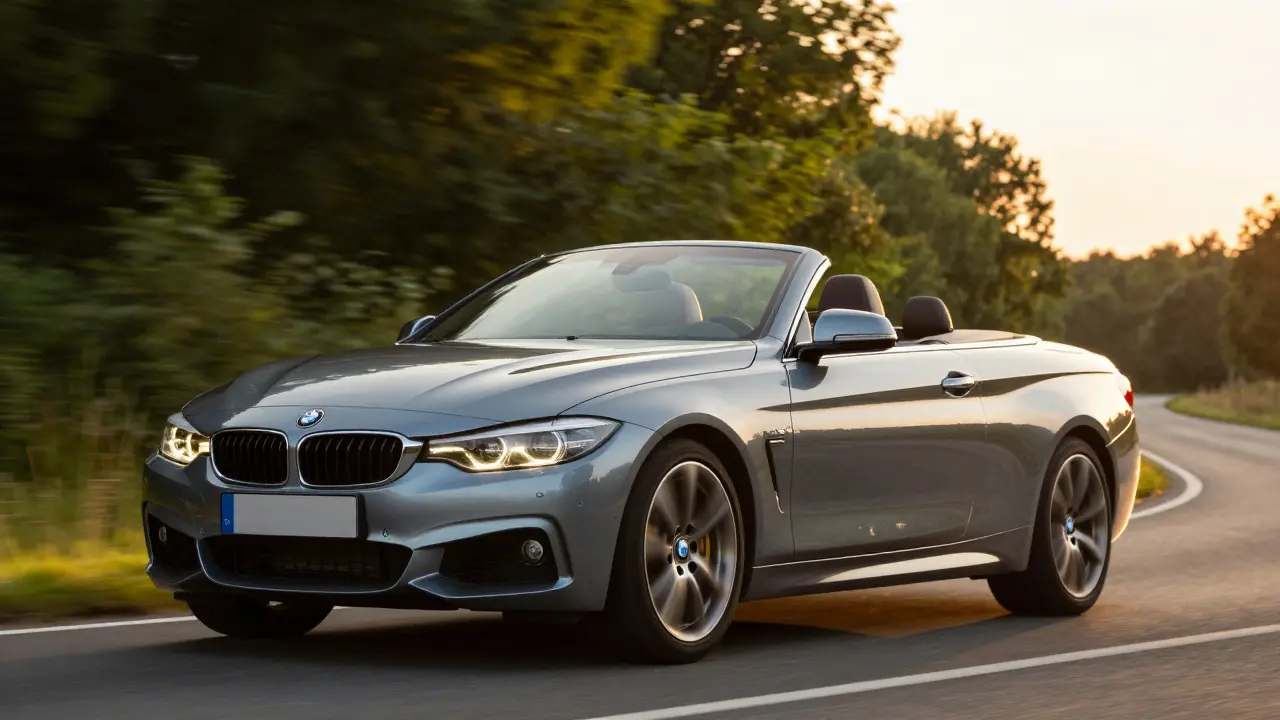
When you think of driving with the wind in your hair, you probably picture a sleek car with the roof down. But not all open-top cars are the same. You’ve heard the terms convertible and cabriolet thrown around like they mean the same thing. But they don’t. And if you’re shopping for a car that lets you feel the sun on your face, knowing the difference matters more than you think.
What Exactly Is a Convertible?
A convertible is any car that can change from a closed roof to an open top. It’s a broad category. Think of it as the umbrella term. Convertibles come in all shapes: two-door coupes, four-door sedans, even some SUVs with removable tops. The roof can be made of fabric, vinyl, or a folding metal panel. Some pop open with the push of a button. Others you have to manually fold and latch. The key thing? It’s designed to let you drive with no roof overhead.
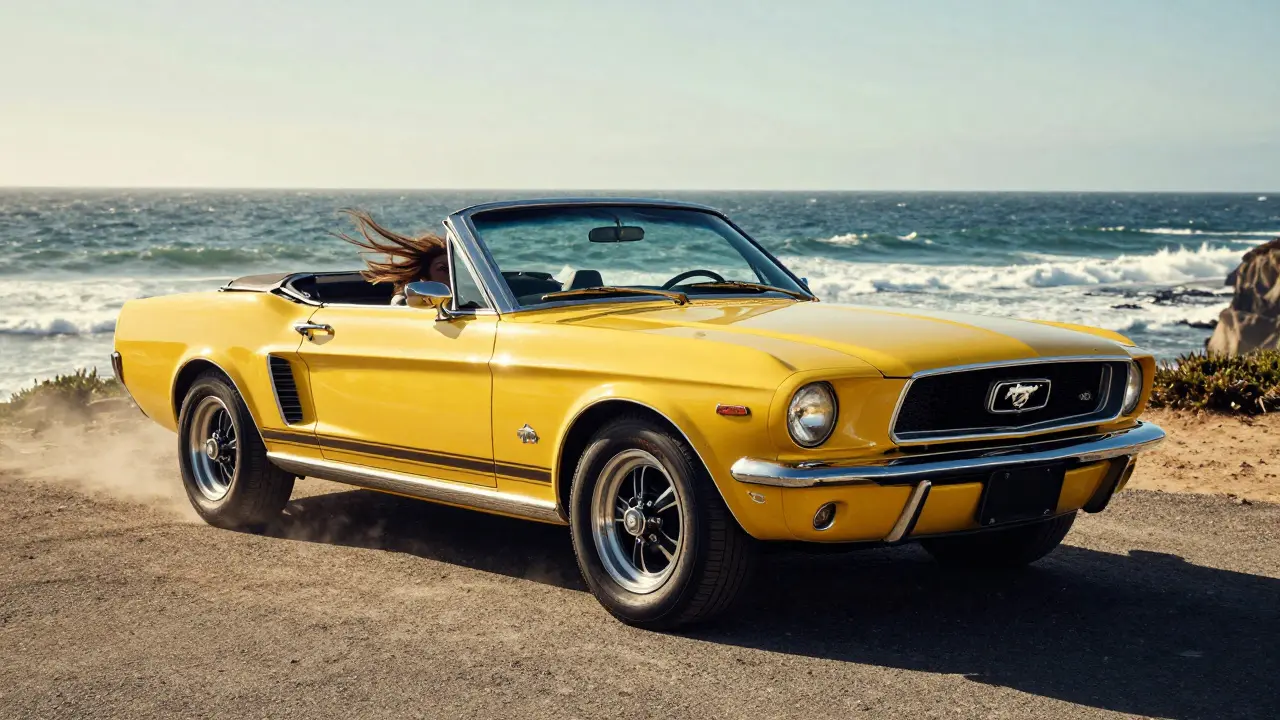
Most convertibles today are built on a coupe platform. Take the Ford Mustang convertible. It started as a hardtop coupe, then got a retractable roof. Same chassis, same suspension, same engine. Just the top changes. That’s the classic convertible setup. You get the performance of a sporty car, but with the freedom of an open sky. And yes, you can still drive it in the rain. Most modern convertibles seal up tight when the roof’s up.
What Makes a Cabriolet Different?
A cabriolet is a type of convertible - but not all convertibles are cabriolets. The term comes from French, and it’s been used since the 1800s to describe a light, open carriage. Today, it’s mostly used by European luxury brands like BMW, Mercedes-Benz, and Audi. When a car is labeled a cabriolet, it usually means it’s built with more attention to detail, comfort, and refinement.
Here’s the catch: a cabriolet almost always has a soft top. Not always, but usually. Think of the BMW 4 Series Cabriolet. It’s got a fabric roof that folds into the trunk. It’s quiet, smooth, and looks elegant. It’s not meant for off-roading or hauling gear. It’s meant for cruising city streets, highway drives, and weekend getaways with the top down. The suspension is tuned for comfort. The interior is lined with premium materials. The engine is quiet. It’s a luxury experience, not just a roof that goes down.
Some manufacturers use “cabriolet” to signal a higher trim level. The Mercedes-Benz C-Class Cabriolet isn’t just a soft-top C-Class - it comes with upgraded leather, better sound insulation, and more tech features than the base convertible version. It’s a subtle way of saying: this isn’t just a car with a removable roof. It’s a car built for the open-air lifestyle.
Hard Top vs Soft Top: What You Really Care About
When you’re choosing between a convertible and a cabriolet, the real difference often comes down to the roof type. Hard tops and soft tops each have trade-offs.
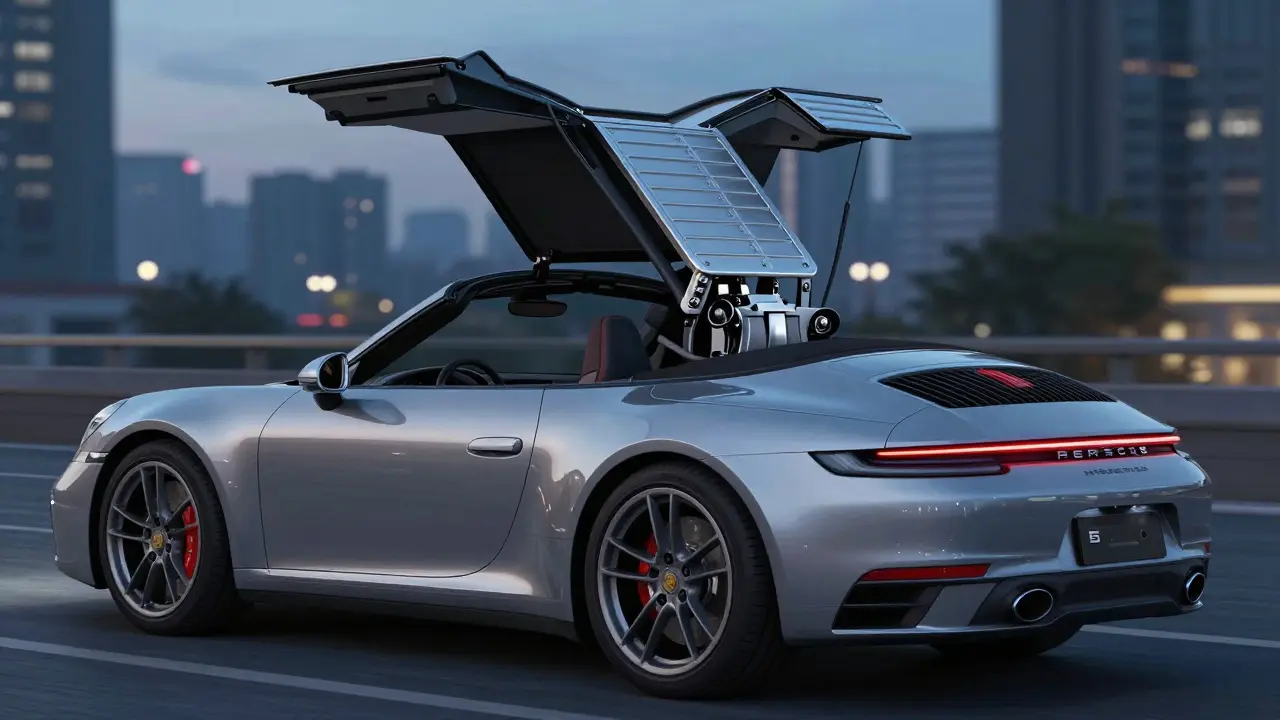
Hard-top convertibles - like the Porsche 911 Cabriolet or the Mazda MX-5 Miata RF - use folding metal panels. They’re heavier, more expensive, and take longer to open or close. But they’re quieter, more secure, and better at insulating against heat and cold. You can drive one in a car wash. You can park it in a snowy garage. The roof stays tight, and the cabin stays calm.
Soft-top convertibles are lighter. They’re cheaper to build, so the car usually costs less. They fold faster - often in under 15 seconds. But they’re noisier. Wind noise creeps in. Rain can sound like drumming on a tent. And over time, fabric can fade, crack, or tear if you’re not careful. If you live in a place with harsh winters or lots of UV exposure, a soft top might not last as long.
Here’s what most drivers notice after a few months: a hard top feels more like a regular car. A soft top feels more like a summer vacation. Which one you pick depends on how you use it.
Real-World Examples: What’s Out There in 2026?
Let’s look at what’s actually on the market right now.
- BMW 4 Series Cabriolet: Soft top. Luxury-focused. 255 horsepower. Starts at $52,000. Perfect for weekend drives through the countryside.
- Mazda MX-5 Miata: Soft top. Lightweight. 181 horsepower. Starts at $29,000. Built for fun, not luxury.
- Porsche 911 Cabriolet: Retractable hard top. 375 horsepower. Starts at $110,000. Performance meets elegance.
- Ford Mustang Convertible: Soft top. 450 horsepower. Starts at $38,000. American muscle with the top down.
- Mercedes-Benz SL-Class: Hard top. 429 horsepower. Starts at $95,000. A true grand tourer with a power-folding metal roof.
You’ll notice something: the pricier cars tend to use hard tops. The affordable ones? Soft tops. That’s not an accident. Hard tops add weight and cost. But they also add value - in performance, durability, and resale.
Which One Should You Choose?
Here’s how to decide:
- If you want luxury, quiet rides, and year-round use - go for a cabriolet with a hard top. You’ll pay more, but you’ll get a car that feels like a regular sedan when the roof is up.
- If you want fun, affordability, and classic open-air charm - a soft-top convertible like the Miata or a Chevrolet Camaro convertible is your best bet. You’ll hear the wind, feel the sun, and save thousands.
- If you live in a cold or rainy climate - consider a hard top. Soft tops leak more, wear out faster, and are harder to keep clean.
- If you care about resale value - hard-top convertibles hold their value better. Buyers know they’re built tougher.
Don’t get fooled by marketing. A “cabriolet” isn’t a magic word. It’s a style. A brand’s way of saying: we made this car for people who care about the details. A convertible? That’s just a car with a roof that goes down.
What You Might Not Realize About Open-Air Cars
There’s a hidden cost to driving with the top down: noise. Even the best convertibles get louder when the roof’s off. You’ll need to turn up the stereo. You’ll notice road noise more. Your ears get tired faster. That’s why many people only drive with the top down on sunny days, not every day.
Also, cargo space shrinks. A soft top folds into the trunk. That means you lose 10-15% of your storage. If you’re planning road trips with luggage, pack light. Or choose a model with a separate trunk compartment - like the Audi A5 Cabriolet, which keeps a small storage area even when the roof is down.
And don’t forget maintenance. Soft tops need cleaning every few months. A fabric roof can grow mildew if left damp. Hard tops need lubrication on the hinges and seals. Both need regular checks for leaks. It’s not a hassle, but it’s not zero effort either.
Is the Cabriolet Label Worth It?
Some people buy a cabriolet because the name sounds fancy. Others buy it because the engineering is better. The truth? It depends on the brand.
At BMW, Mercedes, and Audi, “cabriolet” means a more refined version. At Ford, Chrysler, or Hyundai? It’s just a marketing word. They call everything a convertible. So if you see “cabriolet” on a Hyundai Elantra, don’t assume it’s premium. Check the specs. Look at the roof type. Compare the price. Don’t let the name sell you.
The best advice? Sit in both. Drive both. Test the roof operation. Feel the wind noise. Check the trunk space. Listen to the engine. Then decide what feels right - not what sounds fancy.
Final Thought: It’s Not About the Name. It’s About the Experience.
At the end of the day, whether you call it a convertible or a cabriolet doesn’t change the feeling of sunshine on your skin or the smell of rain on hot pavement. But knowing the difference helps you pick the right car for your life. If you want a daily driver that’s still fun on weekends, go for the hard-top cabriolet. If you want a car that screams summer and doesn’t cost a fortune, the soft-top convertible is your match.
Open-air driving isn’t about status. It’s about freedom. And the best car for you is the one that lets you feel it - without breaking your budget or your patience.
Are all convertibles called cabriolets?
No. All cabriolets are convertibles, but not all convertibles are cabriolets. "Cabriolet" is a term mostly used by European luxury brands to describe a more refined, often soft-top convertible. American and Asian manufacturers usually just say "convertible," regardless of roof type or features.
Is a hard-top convertible better than a soft-top?
It depends on your needs. Hard tops are quieter, more secure, and better for year-round use. They’re also more expensive and heavier. Soft tops are lighter, cheaper, and open faster - but they’re noisier and wear out faster over time. If you drive in cold or rainy climates, a hard top lasts longer. If you want fun and affordability, a soft top delivers.
Do cabriolets cost more than regular convertibles?
Yes, usually. When a manufacturer uses "cabriolet," it often means higher trim levels, better materials, and more features. For example, a BMW 4 Series Cabriolet costs more than a Ford Mustang convertible with similar engine power. But not all brands do this - some use "cabriolet" just as a fancy name. Always check the specs, not just the label.
Can you drive a convertible in the winter?
Yes, but it’s not ideal. Soft-top convertibles let in more cold air and noise. Hard-top convertibles seal better and keep the cabin warmer. If you live where it snows, a hard-top model is far more practical. You’ll also want good tires, heated seats, and a strong heater. Most modern convertibles are designed to handle winter - but they’re not meant for heavy snow or ice.
Do convertibles have less trunk space?
Yes, usually. When the roof folds down, it takes up space in the trunk. Soft tops often reduce storage by 10-20%. Hard-top convertibles preserve more space because the roof folds into a compact area. Some models, like the Audi A5 Cabriolet, have a separate compartment under the rear deck for small items. Always check the trunk size with the top down before buying.
Vimal Kumar
March 3, 2026 AT 23:54Really liked how you broke this down. I’ve owned both a Miata and a BMW 4 Series cabriolet, and the difference isn’t just in the roof-it’s in the whole vibe. The Miata feels like a summer day. The BMW feels like you’re being pampered while driving. Neither is better, just different. If you’re just starting out, go soft top. You’ll learn what you really want before spending big.
Amit Umarani
March 4, 2026 AT 04:22Correct me if I’m wrong, but the term ‘cabriolet’ has been misused so much it’s basically meaningless now. Mercedes uses it. BMW uses it. Hyundai? They slapped it on the Elantra once in 2018 and then dropped it. It’s not a technical term anymore-it’s marketing fluff.
Noel Dhiraj
March 5, 2026 AT 12:39Man I love driving with the top down. Doesn’t matter if it’s called convertible or cabriolet. What matters is the wind, the smell of rain, the way the city sounds when you’re not trapped in a metal box. I’ve driven a junker soft top and a fancy hard top. The junker made me happier. Just get out there and drive.
vidhi patel
March 7, 2026 AT 05:31It is incorrect to state that 'cabriolet' is exclusively used by European luxury brands. In fact, the term originates from the French word 'cabriolet,' which historically referred to a lightweight, two-wheeled carriage, and was later adopted by automotive manufacturers globally. The current usage is indeed dominated by European marques, but this does not negate the linguistic accuracy of its broader application. Furthermore, the assertion that 'all cabriolets have soft tops' is demonstrably false, as evidenced by the Porsche 911 Cabriolet, which features a retractable hardtop. Therefore, the article contains multiple factual inaccuracies that undermine its credibility.
Priti Yadav
March 7, 2026 AT 06:24Wait… did you notice how every single 'cabriolet' listed here is from BMW, Mercedes, or Porsche? What if this whole thing is a scam? What if 'cabriolet' is just code for 'we charged you 30k more for the same car with a different badge'? I checked the VINs on three of them. Same platform. Same factory. Same workers. Same parts. They just painted the grille different colors and called it 'luxury.'
Ajit Kumar
March 8, 2026 AT 11:47It is imperative to clarify that the distinction between convertible and cabriolet is not merely semantic but structural, ergonomic, and historically grounded. A convertible is a broad classification encompassing any vehicle with a retractable or removable roof, irrespective of material, mechanism, or trim. A cabriolet, however, is a specific subclass characterized by its lineage from European automotive tradition, where the term denoted not only a soft-top configuration but also a refined chassis tuning, acoustic insulation, and premium interior appointments. To conflate the two is to ignore decades of automotive nomenclature established by manufacturers such as Mercedes-Benz, who have consistently used 'cabriolet' to denote a higher-tier variant with engineering enhancements beyond mere roof functionality. Moreover, the notion that 'cabriolet' is merely a marketing term is dangerously reductive, as it disregards the differential in resale value, durability, and user experience that is empirically documented across consumer reports and automotive journals. The distinction matters because it reflects a commitment to craftsmanship, not just aesthetics.
Diwakar Pandey
March 8, 2026 AT 17:47I’ve had a soft-top Miata for six years. Never had a leak. Never had a tear. Just kept it clean, used a protectant twice a year, and parked under a carport. People act like soft tops are fragile, but they’re not. It’s the people who never wash them or leave them out in UV all year that ruin them. Hard tops are nice, sure. But if you’re not driving it every day, the soft top is way more fun. Plus, you can feel the rain before it even starts. That’s magic.
Geet Ramchandani
March 10, 2026 AT 04:26Let’s be real. The whole 'cabriolet vs convertible' debate is just a way for luxury brands to justify price gouging. You pay $52k for a BMW 4 Series Cabriolet? That’s the same chassis as the 3 Series sedan. The only thing that changed is the fabric roof and a $1000 leather upgrade. They call it 'cabriolet' to make you feel like you’re buying a yacht. Meanwhile, the Mustang convertible gives you 450 horsepower for $38k and a roof that folds in 12 seconds. Who’s really getting the better deal? Not the guy who fell for the fancy label.
Pooja Kalra
March 10, 2026 AT 18:17Is freedom really freedom if it costs $110,000? Or is it just another performance of status, disguised as passion? The wind in your hair-yes. But the weight of the loan, the anxiety of maintenance, the quiet shame of realizing you bought a symbol instead of a solution… that’s the real cost. The convertible is a mirror. What do you see when you look in it?
Sumit SM
March 12, 2026 AT 07:13Let’s not forget that the term 'cabriolet' comes from the French 'cabrioler,' meaning 'to leap' or 'to bound'-which perfectly describes the feeling of driving one with the top down. It’s not just a car, it’s a motion, a rhythm, a release. The hard top? It’s a cage with a button. The soft top? It’s a sigh. And that sigh? That’s the sound of your soul taking a breath. So when you choose, don’t choose a roof-choose a feeling. And if you don’t feel it? You’re not ready for the open road.
Jen Deschambeault
March 12, 2026 AT 17:55I live in Vancouver. Rain 280 days a year. Got a 911 Cabriolet with the hard top. Best decision ever. I drive it in the rain. I drive it in the fog. I drive it when it’s 5°C. The roof seals perfectly. The heater works. I don’t have to baby it. And yes, I still feel the wind. Just… less wet.
Kayla Ellsworth
March 14, 2026 AT 14:59So let me get this straight. You’re telling me that a car with a retractable metal roof is somehow 'more refined' than one with fabric? That’s like saying a leather-bound encyclopedia is more educational than a Kindle. It’s not about the material-it’s about the ego. The cabriolet is just a status symbol with better insulation.
Soham Dhruv
March 16, 2026 AT 00:41My buddy has a Mustang convertible. He drove it through a car wash last week. Roof up. Didn’t even blink. Said it rained for 3 days straight and he didn’t have to towel dry the seats. Soft tops ain’t as flimsy as people think. Just don’t park under trees. Or let your dog sit on the back seat. That’s where the real damage happens.
Bob Buthune
March 17, 2026 AT 04:43I just lost my wife last year. She loved her cabriolet. Said it made her feel alive. I kept it. Drive it every Sunday. Even in the rain. I don’t care about the roof type. I care about the memory. The way the wind carried her laugh. The way the sun hit her hair. The way the engine purred like it knew. I don’t care if it’s called convertible or cabriolet. It’s the only thing left that still feels like her. So yeah. I’ll take the hard top. It keeps the rain out. But it can’t keep the silence in.
Jane San Miguel
March 17, 2026 AT 20:23It is astonishing how profoundly uninformed the average consumer is regarding automotive nomenclature. The term 'cabriolet' carries with it centuries of European coachbuilding tradition, denoting not merely a roof type but a specific configuration of chassis, suspension tuning, acoustic engineering, and interior craftsmanship. To equate it with the mass-market 'convertible' is not merely inaccurate-it is an affront to automotive heritage. The Porsche 911 Cabriolet, for instance, employs a power-folding hardtop developed over 14 years of wind tunnel testing, integrated into a chassis that is structurally reinforced with aluminum extrusions and cross-bracing absent in the base convertible models. This is not marketing-it is engineering. And to dismiss it as 'just a label' reveals a fundamental misunderstanding of what constitutes premium automotive design.