Ever loaded a 4x8 sheet of plywood into your pickup and had to tilt it sideways just to fit? Or watched your ladder slide off the tailgate on the way to the job site? If you’ve ever felt like your truck bed is just too short, you’re not alone. Many pickup owners struggle with limited cargo space - especially when hauling long items like lumber, pipes, kayaks, or even bikes. That’s where truck bed extenders come in. They’re simple, affordable, and surprisingly effective at turning your standard truck bed into a longer, more flexible hauling platform.
What Exactly Is a Truck Bed Extender?
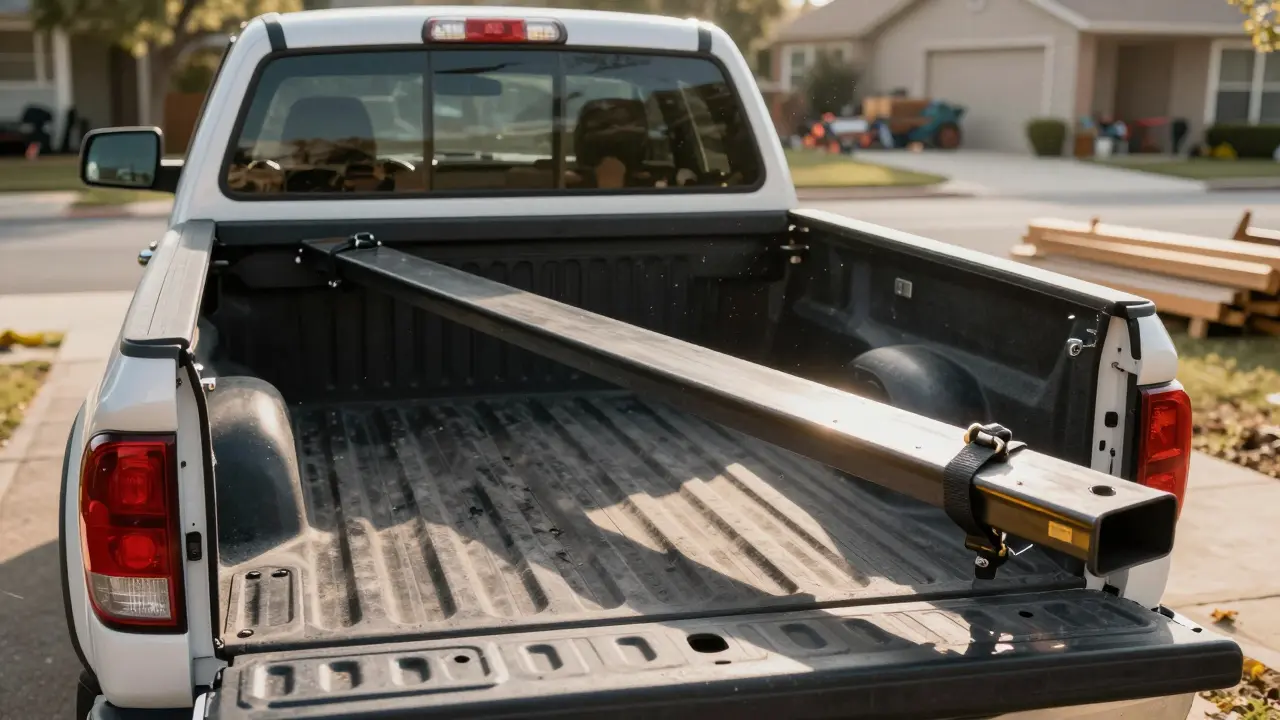
A truck bed extender is a detachable accessory that attaches to the tailgate of your pickup truck. It extends the length of the bed by 18 to 36 inches, depending on the model. Think of it like a foldable extension cord for your cargo space. Most are made of lightweight aluminum or high-strength plastic, with a built-in latch or hinge system that locks securely into the tailgate’s mounting points. When not in use, they fold flat against the tailgate or remove completely - no permanent modifications needed.
These aren’t just for weekend warriors. Contractors, landscapers, and DIYers use them daily. A 2024 survey by TruckTrend Magazine found that 68% of pickup owners who installed extenders reported hauling longer materials without needing to rent a trailer or hire help. That’s a big win for time, money, and convenience.
How Do Truck Bed Extenders Work?
There are two main types: fixed and swing-out. Both attach to the tailgate, but they function differently.
- Fixed extenders are rigid bars that bolt or clamp directly to the tailgate. They stick out permanently when installed and are ideal for hauling long, straight items like pipes or lumber. They’re the most common and least expensive option.
- Swing-out extenders pivot sideways, allowing you to open the tailgate fully while still extending the bed. This is great if you need access to the truck’s interior while hauling long items - like loading a kayak from the back seat without unloading the whole bed.
Most models include safety features like reflective strips, integrated tie-down points, and rubberized grips to keep cargo from sliding. Some even have built-in LED lights for nighttime hauling. The key is choosing one that matches your truck’s make, model, and year. Compatibility matters - a 2018 Ford F-150 extender won’t fit a 2025 Toyota Tacoma without an adapter.
Why You Need One (Real-World Examples)
Let’s say you’re a homeowner remodeling your kitchen. You bought 16-foot ceiling joists. Your truck bed is 6 feet long. Without an extender, you’d need to tie the ends down, risk damage to the cab, or risk the load shifting. With a 30-inch extender, the joists sit flush, the tailgate closes, and your cargo stays secure.
Or picture a fisherman hauling a 12-foot kayak. Without an extender, half the kayak hangs over the tailgate. That’s illegal in 17 states and dangerous in windy conditions. With an extender, the kayak rests fully in the bed, secured with cam straps. No fines. No stress.
Even in winter, these tools help. Snowblowers, sleds, and firewood stacks all benefit from extra length. One user in Eugene, Oregon, told us he hauls 8 cord of firewood every fall. Before the extender, he made three trips. After? One. That’s 60% less fuel used.

What to Look for When Buying
Not all extenders are created equal. Here’s what actually matters:
- Weight capacity: Most hold 300-500 lbs. If you’re hauling heavy tools or equipment, go for the higher end. Check the label - don’t assume.
- Material: Aluminum is rust-resistant and light. Plastic is cheaper but can crack in extreme cold. Steel is strong but heavy - not ideal if you’re removing it often.
- Installation: Look for tool-free mounting. The best models snap into existing tailgate holes without drilling. Avoid ones that require you to modify your truck.
- Compatibility: Always match the extender to your truck. Use your VIN or check the manufacturer’s fit guide. Brands like Utili-Track, DeeZee, and Ranch Hand have detailed online tools.
- Storage: Can you fold it flat? Does it lock into place? If it’s bulky, you’ll leave it in the garage and forget about it.
Price range? You can find decent extenders for $80-$150. Premium models with lights or swing features go up to $250. Most last 5+ years with basic care.
Installation Made Simple
Installing a truck bed extender takes less than 10 minutes - no tools needed on most models.
- Open your tailgate fully.
- Align the extender’s mounting brackets with the tailgate’s existing holes or clips.
- Slide or snap the extender into place - you’ll hear a click when locked.
- Test the latch. Give it a firm tug. If it moves, reposition it.
- Close the tailgate. The extender should now extend beyond the tailgate.
That’s it. No wiring. No drilling. No mechanic. You can install it in your driveway while waiting for coffee to brew.
When Not to Use One
Truck bed extenders aren’t magic. They have limits.
- Don’t use them for oversized loads that exceed your truck’s GVWR (Gross Vehicle Weight Rating). The extender doesn’t add strength - it just extends space.
- Never use them on vehicles without a solid tailgate latch. Some older trucks or aftermarket tailgates don’t lock securely.
- Avoid them in heavy snow or ice. Ice buildup can freeze the extender to the tailgate, making removal dangerous.
- They’re not rated for highway speeds over 70 mph with heavy loads. Check your manual.
Also, if you’re hauling delicate items like glass, TVs, or fragile equipment, a bed extender might not provide enough side support. In those cases, a cargo carrier or trailer is safer.

Alternatives to Consider
If a bed extender doesn’t fit your needs, here are three other options:
- Roof racks with crossbars: Great for bikes, kayaks, or ladders. Adds height but doesn’t help with length.
- Trailer hitch cargo carriers: These attach to your receiver hitch and can carry 500+ lbs. More expensive ($200-$600) and require a hitch.
- Truck bed extenders with integrated cargo nets: These combine extension with a stretchable net that keeps items from sliding off the sides. Ideal for irregularly shaped loads.
Most people start with a bed extender - it’s the most cost-effective upgrade. If you’re hauling longer loads weekly, then consider adding a cargo carrier later.
Top 3 Brands for 2026
Based on user reviews, durability tests, and dealer feedback, these are the top performers:
| Brand | Max Extension | Weight Capacity | Material | Price Range | Best For |
|---|---|---|---|---|---|
| DeeZee | 30 inches | 500 lbs | Aluminum | $110-$140 | General use, contractors |
| Ranch Hand | 36 inches | 450 lbs | Steel | $180-$220 | Heavy tools, winter gear |
| Utili-Track | 24 inches | 300 lbs | High-impact plastic | $80-$110 | Light loads, occasional use |
DeeZee leads in reliability. Ranch Hand is the go-to for tough conditions. Utili-Track is the budget pick that still gets the job done.
Pro Tips for Getting the Most Out of Your Extender
- Always secure your load with at least two tie-down straps - one over the middle, one at the end.
- Use foam padding under sharp edges to prevent scratches on your truck’s paint.
- Remove the extender when not in use. It adds wind resistance and can reduce fuel economy by 1-2%.
- Wipe it down after rain or snow. Salt and moisture cause corrosion over time.
- Check local laws. Some states require flags or lights on overhanging loads. Your extender might trigger those rules.
One final note: if you’re hauling something over 8 feet long, you’re legally required to mark the end with a red flag or light during daylight hours in most U.S. states. It’s not optional. A simple $10 flag kit from Amazon solves this.
Can I use a truck bed extender with a tonneau cover?
It depends on the cover. Hard-shell tonneau covers usually block the tailgate from opening fully, making extender installation impossible. Soft roll-up covers can sometimes be partially opened to allow the extender to fit. Check the cover’s design - if it locks into the tailgate, you’ll likely need to remove it. Some manufacturers offer extenders designed to work with specific tonneau models.
Do truck bed extenders affect fuel economy?
Yes, but minimally. With the extender installed and empty, you’ll lose about 1-2% in fuel efficiency due to increased wind resistance. If you’re hauling a long load, the impact is negligible because the load is now inside the airflow - not sticking out like a sail. Remove it when not in use if you’re trying to maximize mileage.
Are truck bed extenders legal?
Yes, as long as you follow safety rules. In most states, anything extending more than 4 feet beyond the rear bumper must be marked with a red flag during the day or a red light at night. Some states also require a reflective triangle. Always check your state’s DMV website for overhang laws - they vary. The extender itself is legal; improper use isn’t.
Can I haul a motorcycle with a truck bed extender?
Not safely. Motorcycles are heavy (400-700 lbs) and require side-to-side stability. A bed extender only adds length - it doesn’t provide lateral support. Use a trailer or a dedicated motorcycle carrier attached to your hitch instead. The extender is meant for long, narrow, and lightweight loads - not heavy, unbalanced items.
How do I clean and maintain my truck bed extender?
Wash it with mild soap and water every few months. For aluminum models, avoid harsh cleaners that strip the finish. Apply a light coat of silicone spray to moving parts once a year to prevent sticking. Store it indoors during winter if possible - extreme cold can make plastic brittle. Check the latch and mounting bolts every 6 months to ensure they’re tight.
If you’re tired of wrestling with cargo, spending extra on rentals, or risking damage to your truck or load - a truck bed extender is one of the smartest, simplest upgrades you can make. It doesn’t require a loan. It doesn’t need a mechanic. And for under $150, it can turn your everyday pickup into a hauling powerhouse.