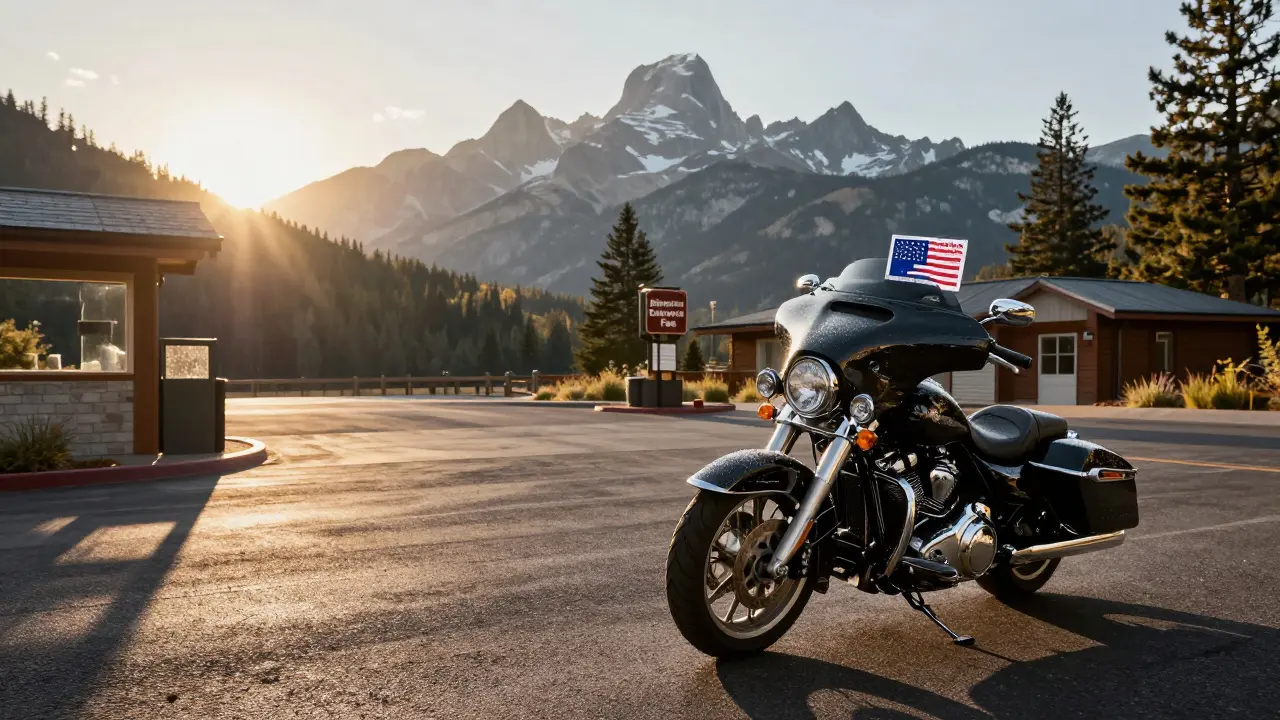
Planning a motorcycle road trip through America’s national parks? You’re not just riding for the thrill-you’re chasing open roads, mountain views, and the kind of freedom only a two-wheeler can deliver. But before you hit the gas, there’s one thing you can’t skip: the right pass. National parks don’t all work the same when it comes to motorcycle entry. Some let you ride in for free. Others charge. Some require advance booking. And a few? They’ll shut you out if you don’t know the rules.
What National Park Passes Work for Motorcycles?
The America the Beautiful National Parks and Federal Recreational Lands Pass is your best friend. It covers entrance fees at over 2,000 federal recreation sites, including every national park. And yes-it works for motorcycles. You don’t need a separate pass. Just buy one annual pass, stick it on your handlebar or helmet, and you’re covered.
This pass costs $80 and lasts 12 months from the date of purchase. It covers the rider and all passengers on a single motorcycle. No extra fees. No per-person charges. That’s a big deal when you’re riding with a friend or family member. Compare that to the $35-per-vehicle fee at places like Yellowstone or Yosemite-you’re saving money just by riding.
Some parks also offer their own annual passes. For example, Grand Canyon National Park sells a $70 annual pass that’s valid only there. But unless you’re planning to visit that one park multiple times in a year, the America the Beautiful pass is almost always the smarter buy.
Which Parks Allow Motorcycles?
Not every national park welcomes motorcycles the same way. Most do-over 90% of the 63 national parks allow motorcycles on public roads. But a few have restrictions that catch riders off guard.
- Yosemite: Motorcycles are allowed on all paved roads, including Tioga Road and Glacier Point Road. But no off-road riding. And parking is tight-arrive early.
- Great Smoky Mountains: All roads are open to motorcycles. The park has no entrance fee, so you don’t even need a pass here.
- Arches: Motorcycles can access all scenic drives. The park’s narrow, winding roads are actually ideal for two wheels.
- Acadia: You can ride the famous Park Loop Road. But during peak season, shuttles run on some sections. Motorcycles aren’t allowed on the shuttle buses, so plan your stops.
- Rocky Mountain: Trail Ridge Road is open to motorcycles, but it closes in winter. Snow chains are required after October 15.
- Zion: The Zion-Mt. Carmel Tunnel is open to motorcycles, but you need a permit if you’re over 8 feet wide. Most bikes are fine, but if you’ve got a large touring rig with sidecars or extended fairings, check ahead.
Always check the park’s official website before you go. Some parks limit access during wildfire season, extreme weather, or special events. A few, like Isle Royale and North Cascades, have no roads at all-motorcycles aren’t allowed because there’s nowhere to ride.
Fees and Costs: What You Really Pay
Let’s cut through the confusion. Here’s what you’ll actually pay at major parks:
| Park | Per Vehicle Fee | Motorcycle Fee | Annual Pass Value |
|---|---|---|---|
| Yellowstone | $35 | $30 | Worth it after 3 visits |
| Yosemite | $35 | $30 | Worth it after 3 visits |
| Grand Canyon | $35 | $30 | Worth it after 3 visits |
| Arches | $30 | $25 | Worth it after 4 visits |
| Zion | $35 | $30 | Worth it after 3 visits |
| Great Smoky Mountains | Free | Free | No pass needed |
| Acadia | $35 | $30 | Worth it after 3 visits |
Notice something? Motorcycles usually pay $5 less than cars. That’s because they take up less space and cause less wear. Some parks even have separate motorcycle lanes at entry gates to keep things moving.
And here’s a pro tip: If you’re visiting four or more parks in a year, the $80 annual pass pays for itself. You’ll break even after just two trips to Yellowstone or Yosemite. That’s not just savings-it’s peace of mind.
Planning Your Ride: What No One Tells You
Planning a motorcycle trip to national parks isn’t just about picking a route. It’s about timing, gear, and knowing the hidden rules.
- Book campsites early. Many parks have limited motorcycle-friendly camping. Sites like Indian Creek in Arches or Fish Camp in Yosemite fill up 6 months in advance. Reserve through Recreation.gov.
- Check road conditions weekly. Mountain passes like Trail Ridge or Tioga Road open late spring and close early fall. Snow can linger into June. Call the park’s visitor center 48 hours before you go.
- Bring layers. Temperatures swing wildly. It can be 90°F in the valley and 40°F on the pass. A waterproof jacket and heated grips are non-negotiable.
- Know the weight limits. Some tunnels and bridges have vehicle weight restrictions. Most motorcycles are under 1,000 lbs-fine. But if you’ve got a fully loaded touring bike with luggage and a passenger, double-check.
- Use motorcycle parking. Many parks have designated bike spots near trailheads. Don’t park in car-only zones. Rangers ticket motorcycles for that.
Also, avoid holidays. Memorial Day, Fourth of July, and Labor Day weekends turn parks into parking lots. Even if you have a pass, you’ll sit in line for an hour just to get in. Aim for midweek in late May or early September for the best experience.
Where to Buy Your Pass
You can buy the America the Beautiful pass in three ways:
- Online at recreation.gov. Print the receipt or save it on your phone. It’s valid immediately.
- At park entrances. Most visitor centers sell physical passes. Bring cash. Some don’t take cards.
- Through the USGS Store (online or in person). They’ve been selling these for decades and ship fast.
Don’t rely on third-party sellers. Sites like Amazon or eBay sell fake or expired passes. Only use official sources. If you’re unsure, call the park’s main office. They’ll confirm if your pass is valid.
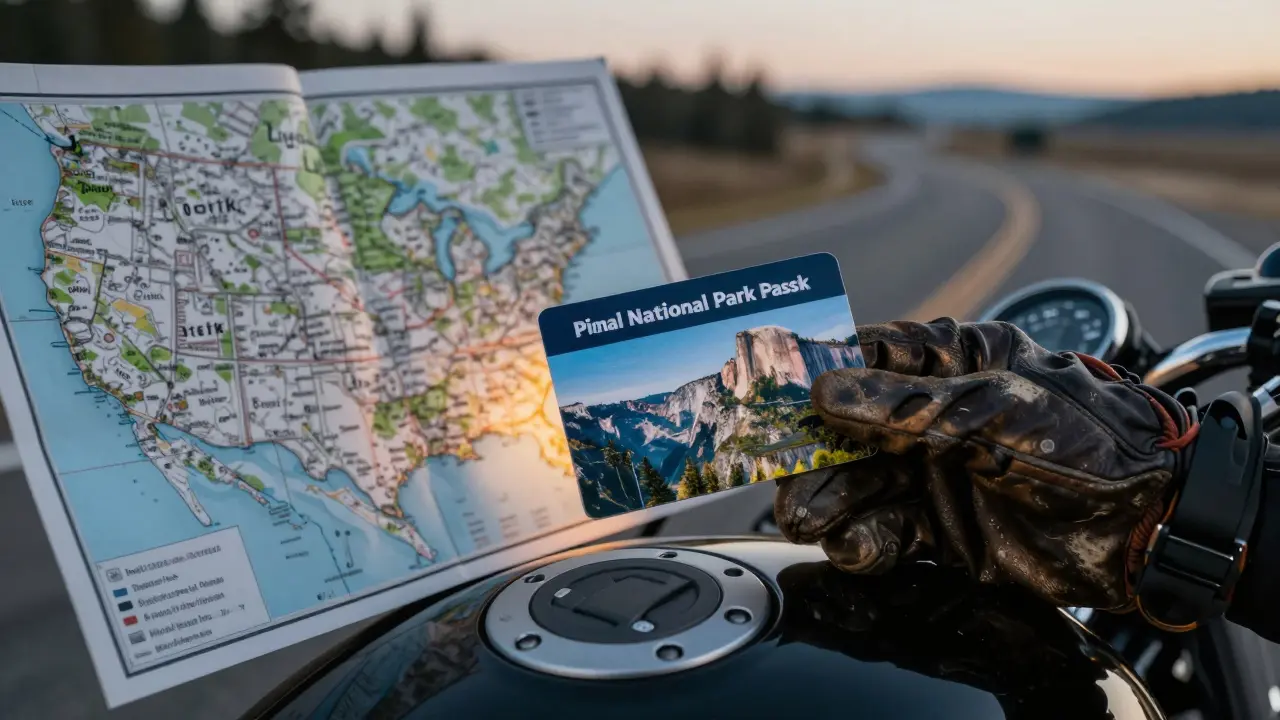
What to Do If You’re Turned Away
It happens. You show up with your pass, and the gate attendant says, “Sorry, we don’t accept that.”
First, stay calm. Ask for the reason. Most of the time, it’s a mistake. Common fixes:
- Your pass is expired. Check the date-it’s printed on the front.
- You’re using a state park pass. National parks don’t accept those.
- You bought a senior or military pass but didn’t show ID. These passes require proof of eligibility.
- The park is closed due to weather or fire. No pass overrides that.
If you’re still stuck, ask to speak to a supervisor. Most will honor the pass if it’s legitimate. And if they don’t? File a complaint with the National Park Service. They track these things. You’ll likely get a refund or voucher.
Final Checklist Before You Ride
- ✅ Got your America the Beautiful pass? (Or park-specific pass if needed)
- ✅ Checked road status on Recreation.gov
- ✅ Booked campsite or lodging
- ✅ Packed rain gear, gloves, and a helmet with visor
- ✅ Loaded your bike under 1,000 lbs (including rider and gear)
- ✅ Printed or saved your pass on your phone
- ✅ Know the park’s quiet hours and noise rules (some ban exhaust mods)
Motorcycles give you access to places cars can’t reach. But they also demand more planning. Get the right pass. Know the rules. Ride smart. And don’t forget to stop at the overlooks-you’ll remember those views longer than the miles you logged.
Do I need a special motorcycle pass for national parks?
No. The standard America the Beautiful National Parks Pass covers motorcycles just like cars. You pay the same price, but motorcycles often get a $5 discount at the gate. No separate motorcycle pass exists.
Can I use my state park pass in national parks?
No. State park passes only work in your state’s parks. National parks are federally managed and require their own passes. The America the Beautiful pass is the only one that works across all national parks.
Are there any parks that ban motorcycles entirely?
Yes. Parks like Isle Royale, North Cascades, and parts of Wrangell-St. Elias have no roads or limited road access. Motorcycles aren’t allowed because there’s nowhere to ride. Always check the park’s official website before planning your trip.
Can I ride off-road in national parks on my motorcycle?
No. All national parks prohibit off-road riding. You must stay on paved or designated gravel roads. Violating this rule can result in fines, vehicle impoundment, or even a ban from future visits.
Is the annual pass worth it if I only visit one park?
Usually not. If you’re only visiting one park once, buying the individual entry fee is cheaper. But if you plan to visit even one more park later in the year, the $80 pass pays for itself. Many riders buy it for the flexibility, not just the savings.