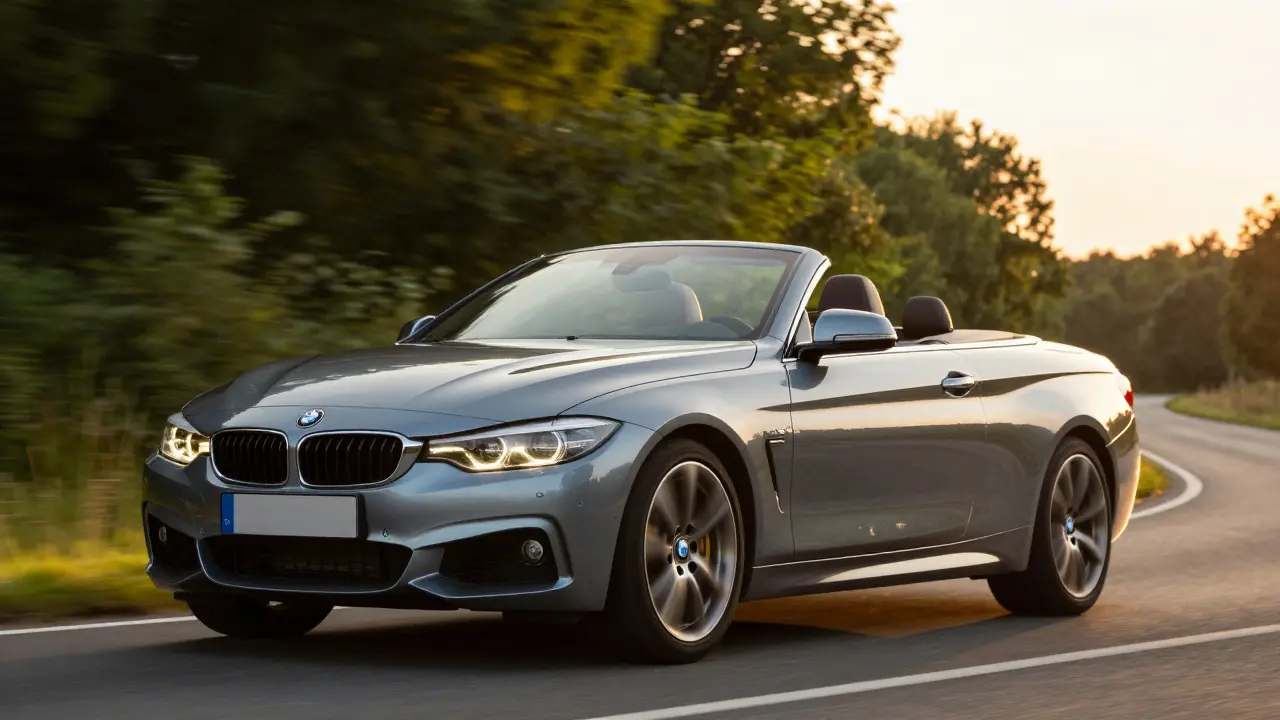
Most people think car customization is all about horsepower, wheels, or paint jobs. But the real personality of a build often hides in the small stuff - like the grille and the badge. These aren’t just decorative. They’re your car’s face. And if you’re putting time and money into a project, why let it look like every other modified car on the road?
Why Custom Grilles and Badges Matter
A custom grille isn’t just about airflow. It’s about presence. A mesh grille with a bold pattern says something different than a stock unit. A carbon fiber insert? That screams performance. A chrome honeycomb? That’s luxury with attitude. The same goes for badges. Factory badges are generic. They’re there because they’re standard. But a custom badge - maybe your initials, a logo you designed, or even a vintage emblem from a long-dead model - turns your car into a statement.
Think about it: how often do you notice a car because of its grille? You don’t need a loud exhaust or a giant wing. Sometimes, just a clean, unique front end is enough to make people do a double-take. And when someone asks, "Where’d you get that grille?" - you’ve already won.
Types of Custom Grilles
Not all grilles are created equal. There are three main types you’ll run into when customizing:
- Replacement grilles - These swap directly for your factory unit. Made from ABS plastic, aluminum, or carbon fiber. They’re the easiest upgrade. Brands like Vorsteiner and Rennline make ones that fit BMWs, Audis, and Mercedes with factory-level precision.
- Insert grilles - These slide into your existing grille frame. Great if you want to keep the original structure but change the look. Popular for adding mesh, LED-lit patterns, or even transparent acrylic with custom etching.
- Fully custom fabricated grilles - These are built from scratch. Usually done by specialty shops or fabricators. You can design the shape, the pattern, the material. Some people go as far as welding in a custom nameplate directly into the grille structure.
Material choice matters. Aluminum is lightweight and durable. Carbon fiber looks expensive and sheds weight. Plastic is affordable but can fade or warp under heat. If you live in a place with harsh winters like Eugene, Oregon, avoid cheap plastic - it cracks faster than you think.
Badges: More Than Just a Logo
Factory badges are usually vinyl or plastic. They peel. They fade. They look cheap after a few years. Custom badges change that. You can get them in brushed stainless steel, polished chrome, or even laser-etched ceramic. Some companies offer 3D embossing - so your badge has depth, not just color.
Here’s what people actually do:
- Replace the OEM "GT" or "Sport" badge with your own name or initials - like "LAR" for Larrimore.
- Use a vintage badge from a classic car you love - say, a 1967 Mustang emblem on a modern Mustang GT.
- Add a small emblem to the trunk, hood, or even the side mirrors. It’s subtle, but it makes the car feel intentional.
- Some builders go full artist: hand-painted badges, enamel fill, or even tiny LED-lit logos that glow at night.
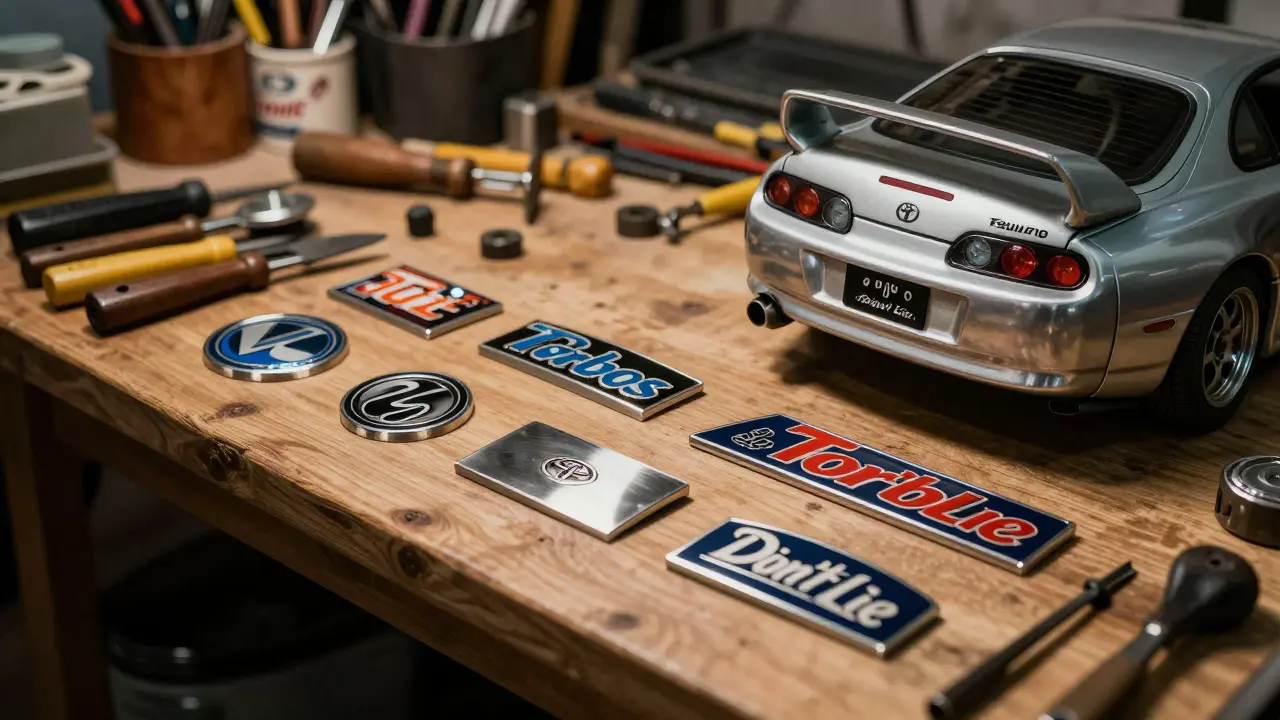
One guy in Portland had a 1995 Toyota Supra with a custom badge that read "Turbos Don’t Lie." It was in bold block letters on the rear hatch. People stopped him at gas stations. He said it was the best conversation starter he’d ever installed.
Matching Grilles and Badges for Cohesion
A mismatched grille and badge look like an afterthought. You don’t want your car to look like it got dressed in the dark.
Start with color. If your grille is matte black, your badge should be too - or at least have a black background. If your grille has chrome accents, match that with a polished metal badge. Don’t mix brushed aluminum with glossy black unless you’re going for intentional contrast.
Font and style matter too. A modern, angular grille pairs well with a sleek sans-serif badge. A classic car with a rounded grille looks better with a serif or script font. Even the thickness of the lettering should match the grille’s design language.
Here’s a simple rule: if your grille has a pattern, your badge should be clean. If your grille is plain, your badge can be detailed. Balance is everything.
Installation: DIY or Professional?
Replacing a grille is usually straightforward. Most use clips or screws. You’ll need a trim removal tool (about $10 online), a screwdriver, and patience. YouTube has step-by-step videos for nearly every model. But if your grille requires cutting, drilling, or bonding - skip the DIY. Mess it up, and you’ll spend more fixing it than buying a new one.
Badges are easier. Most stick on with 3M automotive double-sided tape. Clean the surface with isopropyl alcohol, let it dry, then press the badge on firmly for 30 seconds. Wait 24 hours before washing the car. If you’re using metal badges with screws, make sure the holes align. A misaligned badge looks sloppy, even if the rest of the car is perfect.
Pro tip: Use masking tape to hold the badge in place while you check the alignment from multiple angles. A quarter-inch off-center is enough to ruin the look.
Legal and Insurance Considerations
Before you go all-in, check local laws. In some states, custom grilles that block airflow too much can fail emissions or safety inspections. If your grille has LEDs or light bars embedded, make sure they’re DOT-approved. Flashing or colored lights on the front? That’s illegal in most places.
As for insurance - if you’re adding expensive custom parts, notify your insurer. Some policies cover modifications, others don’t. A $1,200 custom grille might not matter to your provider unless it’s totaled. But if you’re building a show car, get a specialty policy. Companies like Hagerty or Grundy offer coverage for modified vehicles.
Real-World Examples That Work
Let’s look at three builds that nailed it:
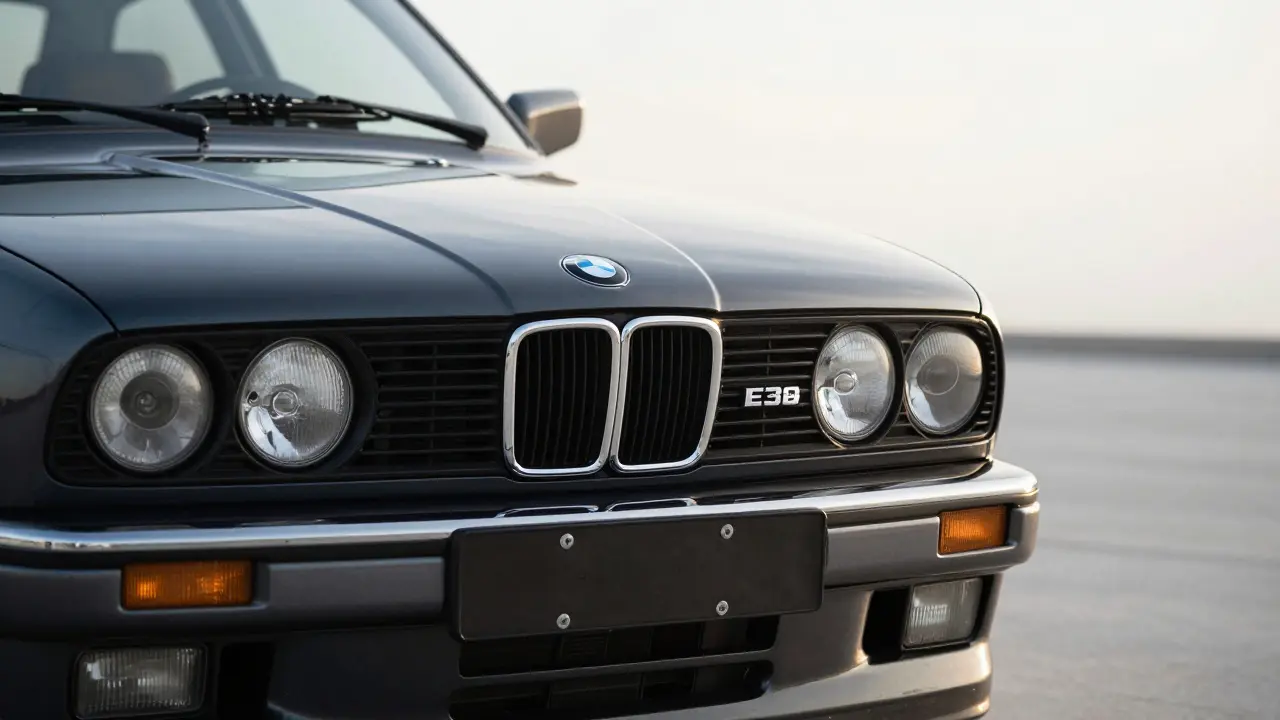
- 1987 BMW E30 - Swapped the stock grille for a blacked-out M3-style unit. Added a hand-polished stainless steel "E30" badge on the trunk. No paint job. Just clean lines. Won "Best Street Build" at the Oregon Car Show in 2025.
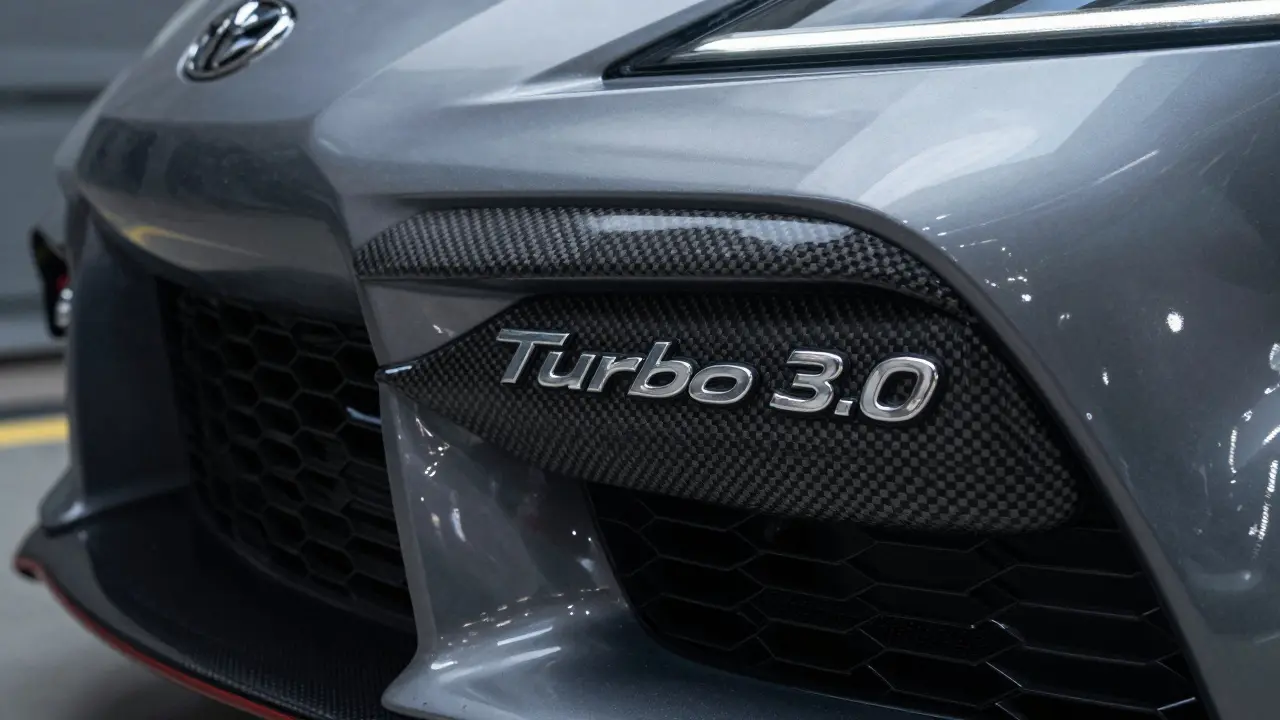
- 2021 Toyota GR Supra - Replaced the factory badge with a custom one that says "Turbo 3.0" in Helvetica Bold. The grille got a carbon fiber insert with a subtle geometric pattern. Minimalist. Aggressive. Perfect.
- 1994 Honda Civic - The owner removed the "Civic" badge entirely and replaced it with a tiny "HONDA" emblem from a 1989 Accord. It’s subtle, nostalgic, and nobody else has done it. The grille is stock, but the badge makes it feel unique.
These aren’t expensive builds. They’re thoughtful ones. That’s the difference.
Where to Buy
You don’t need to go to a dealership. There are dozens of reliable vendors online:
- Revolution Customs - Offers custom laser-cut grilles and badges. You upload your design. They make it in aluminum or carbon fiber.
- GrilleCraft - Specializes in OEM-fit replacements. Great for BMW, Audi, and VW owners.
- Etsy - Search for "custom car badge". Many artisans sell handcrafted metal badges. Prices range from $25 to $150.
- Amazon - For budget options. Look for listings with 4.5+ stars and 100+ reviews. Avoid anything under $30 - it’s usually thin plastic that warps.
Always ask for a mockup before ordering. A picture of your car with the grille/badge digitally placed helps you visualize it. Don’t just trust a product photo.
Final Thought: It’s About Identity
Your car isn’t just a machine. It’s an extension of you. A custom grille and badge don’t make it faster. But they make it yours. No one else has the same combination. That’s rare. And in a world of mass-produced cars, that’s worth something.
Start small. Change one thing. See how people react. Then change another. Before you know it, you’ve built more than a car - you’ve built a signature.
Can I install a custom grille myself?
Yes, if it’s a direct replacement. Most aftermarket grilles use the same mounting points as the factory unit. You’ll need basic tools: a trim removal tool, screwdriver, and maybe a pry bar. Watch a model-specific video on YouTube first. If the grille requires cutting, drilling, or bonding, hire a professional. Mistakes here can damage your bumper or radiator.
Are custom badges legal?
Yes, as long as they don’t mimic official manufacturer logos too closely. You can’t put a "Lamborghini" badge on a non-Lamborghini - that’s trademark infringement. But your own initials, a custom logo, or a vintage emblem from a discontinued model is perfectly legal. Just avoid anything that looks like a real brand unless you have permission.
How much do custom grilles and badges cost?
Custom grilles range from $150 to $800, depending on material and complexity. Budget options start at $80 but are usually plastic and less durable. Badges cost $25 to $150. Handmade metal badges from Etsy artisans can run $100+. If you’re doing both, plan for $300-$600 total. It’s not cheap, but it’s cheaper than a full paint job - and lasts longer.
Will custom parts affect my car’s warranty?
It depends. Under the Magnuson-Moss Warranty Act in the U.S., a manufacturer can’t void your entire warranty just because you installed aftermarket parts - unless they can prove the part caused the failure. So if your engine blows and you have a custom grille, they can’t deny the claim. But if your radiator fails because your new grille blocks airflow, they might. Always check with your dealer before installing major mods.
What’s the easiest way to start customizing my car’s look?
Start with the badge. It’s the cheapest, easiest, and most personal change. Replace the factory emblem with a custom one in your favorite font or design. Then, if you like the reaction, move to the grille. Most people don’t realize how much a simple badge change can elevate a car’s look - until they see it.