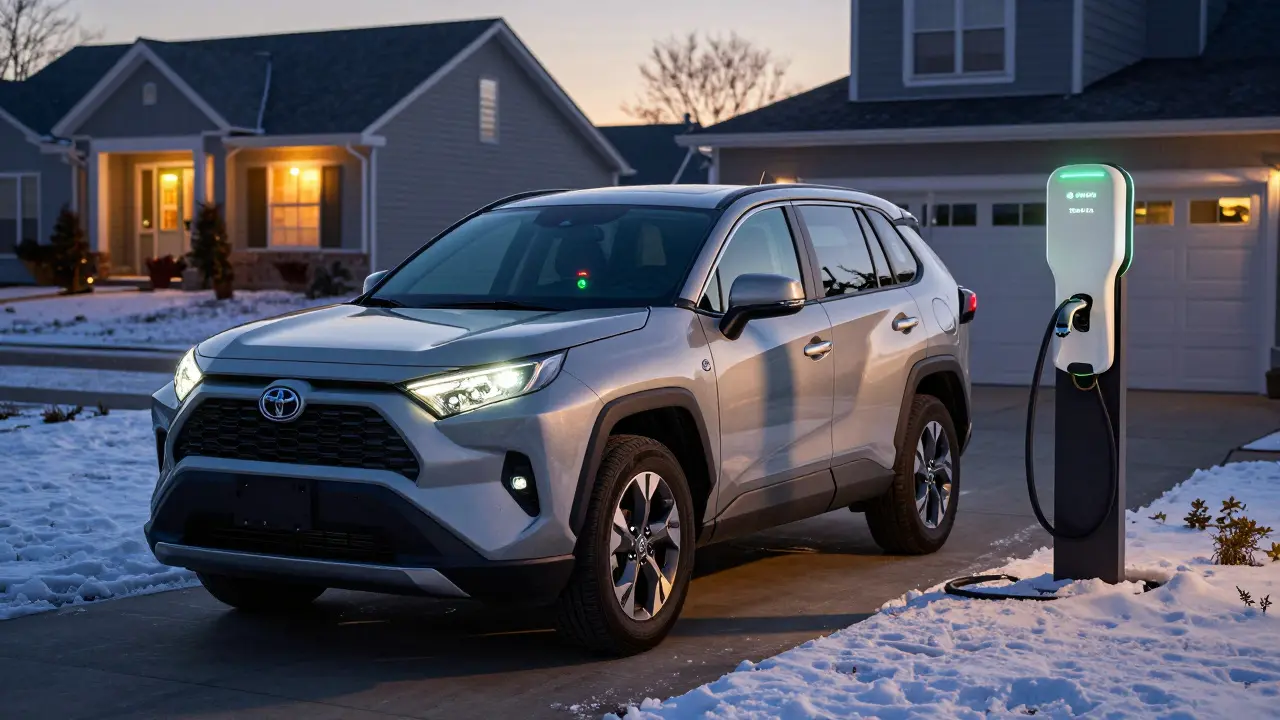
When you’re looking for a car that can handle your daily commute on electricity alone but still take you across state lines without range anxiety, plug-in hybrids (PHEVs) hit the sweet spot. They’re not full EVs, and they’re not your grandpa’s gas-guzzling hybrids. They’re the middle ground that actually works - if you pick the right one.
What Makes a Plug-In Hybrid Different?
A plug-in hybrid isn’t just a regular hybrid with a bigger battery. Regular hybrids like the Toyota Prius use electricity to help the gas engine, but they can’t drive far on battery power alone. Plug-in hybrids, on the other hand, have larger battery packs - usually between 10 and 25 kWh - that you can charge at home or at public chargers. That means you can drive 20 to 50 miles on pure electric power before the gas engine kicks in.
Most people who buy PHEVs use them like electric cars for short trips. The gas engine is there for road trips, emergencies, or if you forget to plug in. That’s the real advantage: no range anxiety, but still the low cost and quiet ride of electric driving.
Top Plug-In Hybrids for 2025
Not all plug-in hybrids are created equal. Some have better electric range, others are more fun to drive, and a few are just plain practical. Here are the top five that stand out in 2025 based on real-world electric range, cargo space, reliability, and value.
- 2025 Toyota RAV4 Prime: With 42 miles of EPA-estimated electric range and 302 horsepower, this is the fastest PHEV in its class. It’s also the most reliable - Toyota’s hybrid system has been proven over millions of miles. The RAV4 Prime can go from 0 to 60 in 5.7 seconds, which is faster than many gas-powered SUVs. It’s not flashy, but it’s the most sensible pick for families.
- 2025 Ford Escape PHEV: Ford’s updated Escape PHEV now offers 37 miles of electric range and a surprisingly spacious interior. The infotainment screen is easy to use, and the ride is smooth. It’s one of the few PHEVs that feels like a premium car without the premium price. If you want a compact SUV that doesn’t scream "hybrid," this is it.
- 2025 Hyundai Tucson Plug-In Hybrid: Hyundai’s Tucson PHEV gives you 38 miles of electric range and a sleek, modern cabin. It’s one of the few PHEVs with wireless Apple CarPlay and Android Auto. The ride quality is excellent, and the warranty is 10 years/100,000 miles - one of the best in the business.
- 2025 Mitsubishi Outlander PHEV: This one’s a surprise. With 38 miles of electric range and seating for seven, it’s the only PHEV that can comfortably fit a family of six. It’s not the fastest, but it’s the most versatile. If you need a third row and don’t want to sacrifice electric driving, this is your only real option.
- 2025 Volvo XC60 Recharge: For those who want luxury, the XC60 Recharge delivers. It offers 35 miles of electric range and a quiet, upscale interior with premium materials. The ride is smooth, the safety tech is top-tier, and it’s one of the few PHEVs that feels like a true premium vehicle. It’s not cheap, but if you want a PHEV that looks and feels expensive, this is it.
Electric Range: Why It Matters More Than You Think
Not all electric ranges are created equal. A 30-mile range sounds good until you realize that’s only enough for a round trip to work if you don’t use heat or AC. In cold weather, battery efficiency drops - sometimes by 30% or more. That’s why you should look for PHEVs with at least 35 miles of EPA-rated range if you want to avoid the gas engine on most days.
Real-world testing shows that most drivers in places like Fort Collins, Colorado, can get 30-40 miles on electric power during spring and fall. In winter, that drops to 20-28 miles. So if your daily commute is 25 miles round-trip, you’ll need a PHEV with at least 35 miles of range to stay electric most days.
Also, don’t trust the manufacturer’s "maximum range" claims. Look for the EPA rating - it’s based on real driving conditions, including heating, cooling, and highway speeds. The EPA rating is the only number you should trust.

Charging: What You Need at Home
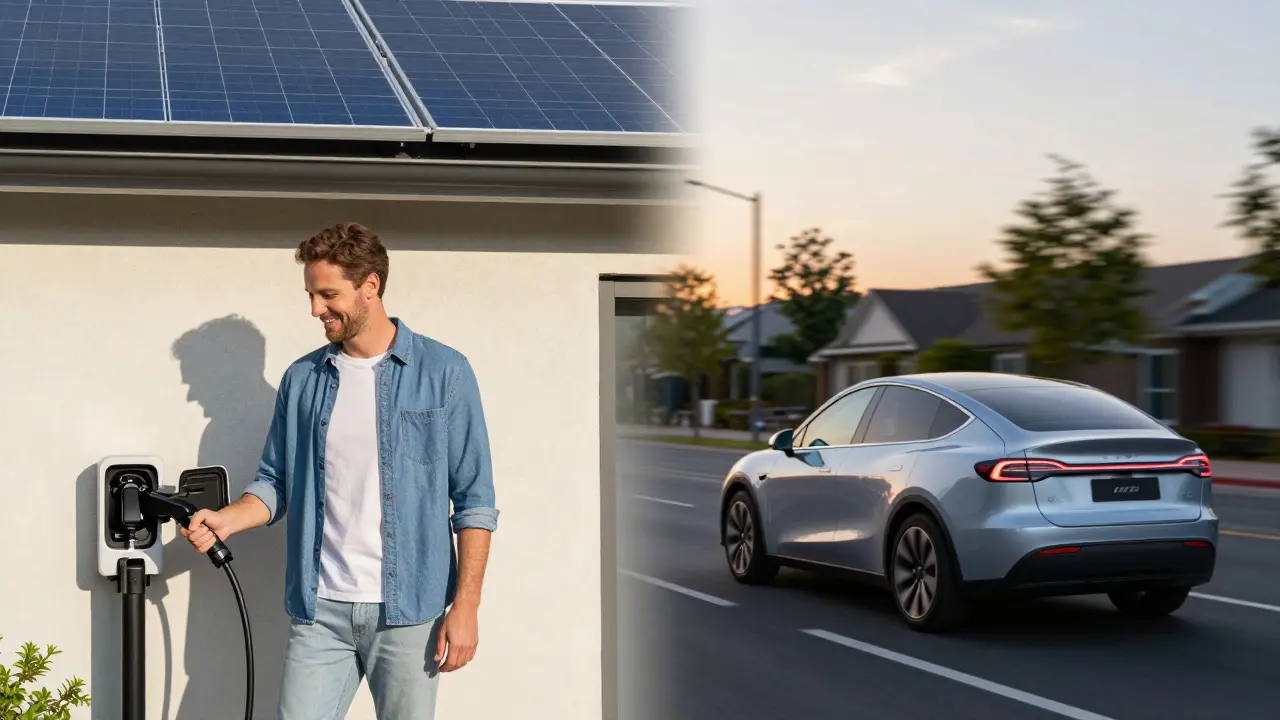
You don’t need a fancy EV charger to use a plug-in hybrid. A standard 120-volt outlet will work - but it’ll take 8-10 hours to fully charge. That’s fine if you’re only driving 15 miles a day. But if you want to charge overnight and be ready for a 40-mile trip the next morning, you’ll want a 240-volt Level 2 charger.
A Level 2 charger costs $500-$800 installed and cuts charging time to 2-4 hours. Many states and utilities offer rebates for these chargers - in Colorado, you can get up to $500 back. Check with your local power company. You might not have to pay for it.
Public charging is rarely needed for PHEVs. Most owners only plug in at home. But if you’re traveling, you can use any Level 2 charger - even ones meant for full EVs. PHEVs charge slower, but they’ll still work.
Costs and Savings: Is a PHEV Worth It?
Plug-in hybrids cost $3,000-$8,000 more than their gas-only versions. But here’s the math: if you drive 12,000 miles a year and 70% of that is on electric power, you’ll save about $800-$1,200 a year on fuel. Electricity costs about 1/3 of what gas costs per mile.
Plus, you get federal tax credits. In 2025, most PHEVs still qualify for up to $4,500 in federal credits if they’re made in North America and have a battery over 7 kWh. The RAV4 Prime and Escape PHEV both qualify. Some states add more - Colorado gives $5,000 on top of the federal credit for qualifying PHEVs.
Over five years, that’s $5,000-$10,000 in savings on fuel and tax credits. Add in lower maintenance - no oil changes, fewer brake replacements (thanks to regenerative braking), and no timing belts - and the extra upfront cost starts to vanish.
When a Plug-In Hybrid Isn’t Right
PHEVs aren’t perfect. If you never plug in, you’re just driving a heavier, more expensive gas car. The battery adds weight, which hurts fuel economy when the gas engine is running. A regular hybrid like the Prius gets better gas mileage than a PHEV when it’s running on gas alone.
If you don’t have a garage or a place to plug in, a PHEV isn’t practical. And if you drive 60+ miles every day, you might be better off with a full EV - unless you’re willing to charge at work or on the go.
Also, don’t buy a PHEV just because it’s trendy. Buy it because you’ll use the electric mode. If you’re going to drive it like a regular car, stick with a gas model or a regular hybrid.
What to Look for When You Shop
- Minimum 35 miles EPA electric range - this gives you breathing room in winter and on hilly roads.
- Fast charging - even though PHEVs charge slowly, some models support faster charging (like the RAV4 Prime). It helps if you need a quick top-up.
- Good warranty - battery warranties should be at least 8 years/100,000 miles. Hyundai and Toyota lead here.
- Real-world reviews - read owner reports on forums like Reddit or Edmunds. Many people forget to plug in and end up disappointed.
- Available incentives - check fueleconomy.gov and your state’s energy office. Some credits expire soon.
Final Thought: The Smart Middle Ground
Plug-in hybrids aren’t the future - full EVs are. But for now, they’re the smartest choice for people who want to cut fuel costs without giving up flexibility. If you can charge at home, drive under 40 miles a day most days, and want a car that won’t leave you stranded, a PHEV is the most practical electric car you can buy today.
Don’t overthink it. Pick one with good electric range, a solid warranty, and a price that fits your budget. Then plug it in every night. The savings - and the quiet ride - will surprise you.
How far can I drive on electric power in a plug-in hybrid?
Most 2025 plug-in hybrids offer between 30 and 42 miles of EPA-rated electric range. Real-world driving - especially in cold weather - can reduce that by 20-30%. The Toyota RAV4 Prime leads with 42 miles, while most others range from 35 to 38 miles. If your daily round-trip commute is under 30 miles, you can likely go days without using gas.
Do plug-in hybrids need oil changes?
Yes, they do - but much less often than gas-only cars. Since the engine runs less, oil changes are typically needed every 10,000 to 12,000 miles instead of every 5,000. The electric motor doesn’t require oil, but the gas engine still does. Regenerative braking also reduces brake wear, so brake pads last longer.
Can I use a public EV charger for my plug-in hybrid?
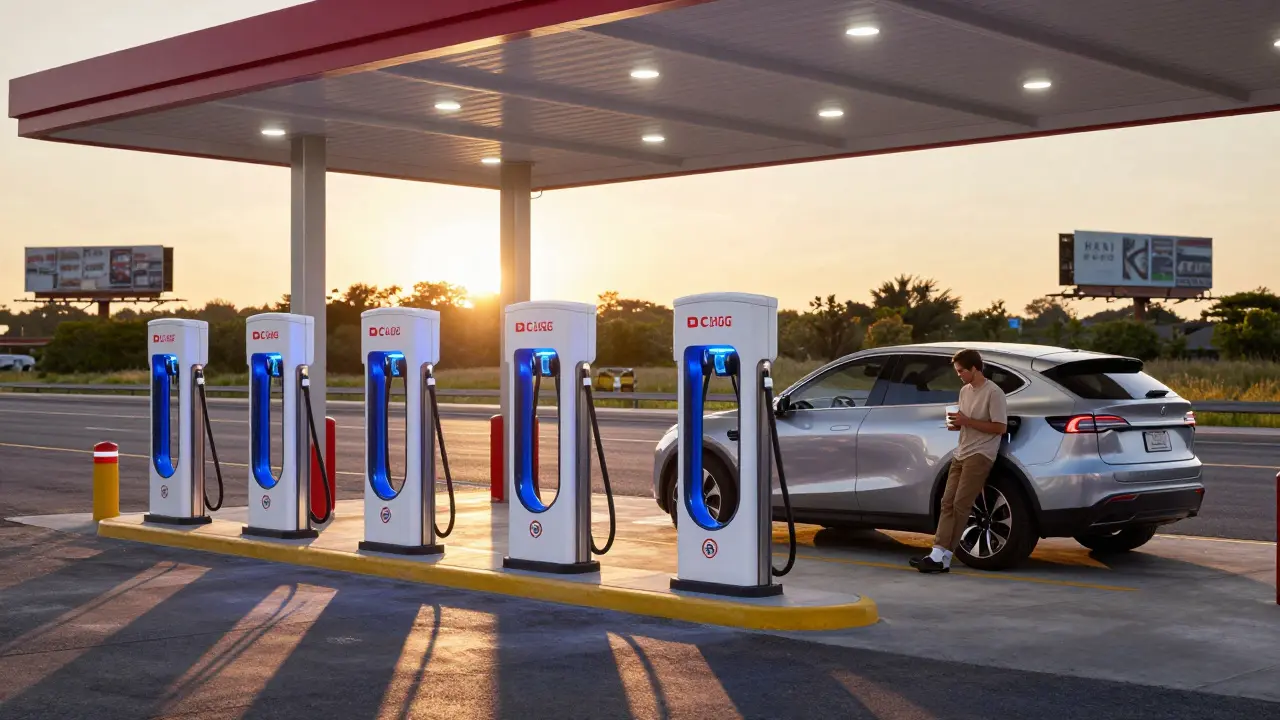
Yes. Any Level 2 public charger (240-volt) will work with a plug-in hybrid. You won’t charge as fast as a full EV - PHEVs have smaller onboard chargers - but you can still top up in 2-3 hours. DC fast chargers are not designed for PHEVs and usually won’t work, or they’ll charge at a very slow rate.
Are plug-in hybrids cheaper to maintain than gas cars?
Yes, over time. You save on fuel, oil changes, and brake wear thanks to regenerative braking. Battery replacement is rare - most last 10+ years. While the upfront cost is higher, maintenance costs over five years are typically 20-30% lower than comparable gas vehicles. Toyota and Hyundai PHEVs have the lowest long-term repair costs.
What happens if I never plug in my plug-in hybrid?
You’re just driving a heavier gas car. The battery adds weight, which reduces fuel efficiency. A PHEV that’s never plugged in will get worse gas mileage than its gas-only counterpart. You also miss out on tax credits and fuel savings. Plug-in hybrids are designed to be charged - if you don’t, you’re not getting the point.
Jen Becker
December 20, 2025 AT 00:41I just bought a RAV4 Prime and honestly? I forgot to plug it in for three weeks. Turned into a gas guzzler. Worth it? Not even close.
Ryan Toporowski
December 20, 2025 AT 02:11Love this breakdown! 😊 Honestly, PHEVs are the unsung heroes of the EV transition. Plug it in, forget about it, and enjoy the quiet rides. My Escape PHEV is my daily joy. 🚗⚡
Samuel Bennett
December 20, 2025 AT 15:09Wait - the article says EPA ratings are the only thing to trust? LOL. EPA tests are done in perfect lab conditions. Real-world range? More like 70% of that. And don't even get me started on how they ignore cold weather battery drain in the official numbers. 🤡
Rob D
December 21, 2025 AT 05:50Look, if you're not driving a Tesla or a Rivian, you're just paying extra for a glorified Prius with a bigger battery. Americans need to stop settling. We got the tech, we got the oil - why are we still clinging to these half-baked PHEVs like they're the future? This is 2025. Go full EV or go home. 🇺🇸
Franklin Hooper
December 21, 2025 AT 23:24It’s worth noting that the RAV4 Prime’s 302 hp is misleading - it’s achieved through electric boost, not engine power. The gas engine alone produces less than 190 hp. A curious compromise, really. The warranty is decent, though.
saravana kumar
December 22, 2025 AT 11:15Why are you all so obsessed with American cars? In India, we have the Tata Nexon EV Max - better range, cheaper, no tax credit drama. Why waste money on overpriced SUVs with unnecessary weight? You don’t need 42 miles of electric range to drive 10 km to work.
Tamil selvan
December 23, 2025 AT 23:27Thank you for this thoughtful, well-researched article. It is truly refreshing to see a balanced perspective on plug-in hybrids - especially when so many are quick to dismiss them. The emphasis on real-world range, charging infrastructure, and long-term savings is both practical and deeply appreciated. I hope more readers take these points to heart.
Mark Brantner
December 24, 2025 AT 16:25wait… so if i never plug it in… i’m just driving a HEAVY gas car?? 😱 i think i just realized i’ve been paying $500 extra a year for a glorified paperweight. oops. time to go plug my Escape in. 🙈⚡