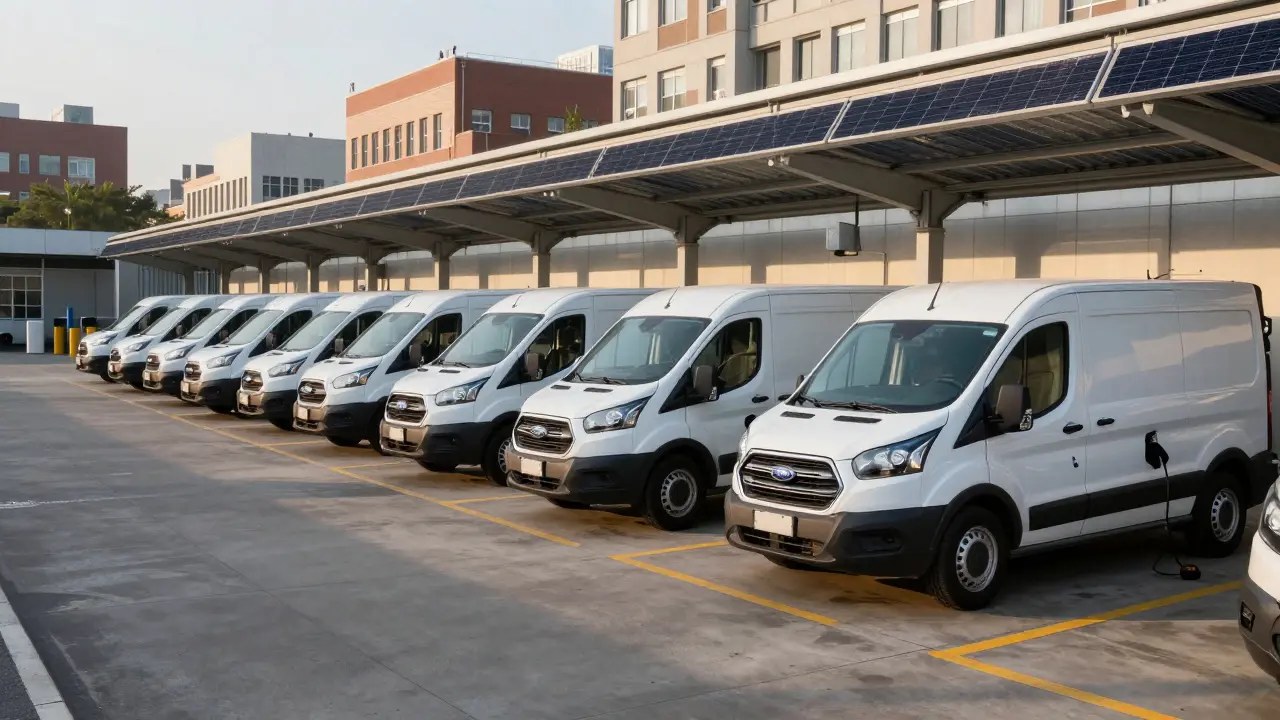
By 2025, over 40% of new commercial vehicle sales in the U.S. and EU were electric. That number isn’t just growing-it’s accelerating. Companies like Amazon, UPS, and FedEx have pledged to replace entire fleets with electric trucks. Governments from Los Angeles to Berlin are banning diesel municipal vehicles by 2030. This isn’t a trend. It’s a full-scale shift.
Why Fleets Are the First to Go Electric
Fleets aren’t just big buyers-they’re ideal candidates for electrification. Unlike personal cars, fleet vehicles have predictable routes, centralized charging, and high daily usage. A delivery van that drives 150 miles a day burns through fuel fast. That’s where electricity shines: lower operating costs, fewer maintenance trips, and zero tailpipe emissions.
Take a city’s sanitation truck. It idles at every stop, burns diesel constantly, and needs repairs every 12,000 miles. An electric version? No engine oil, no transmission fluid, no exhaust system. One study from the National Renewable Energy Laboratory found that electric garbage trucks cut maintenance costs by 40% over five years. Fuel savings? Up to 70%.
Corporate Adoption: From Cost Savings to Brand Power
Companies aren’t switching because they’re forced to-they’re doing it because it makes business sense. Walmart’s fleet of over 7,000 trucks now includes over 1,000 electric models. They’ve cut fuel expenses by $12 million annually since 2022. FedEx’s electric delivery vans, built on the Ford E-Transit platform, have reduced per-mile costs by 60% compared to diesel.
But it’s not just about money. Investors care. Customers care. Microsoft’s 2025 sustainability report showed that 72% of its B2B clients preferred vendors with carbon-neutral logistics. That’s why Salesforce added 500 electric vans to its sales team fleet in 2024-not because it was cheaper, but because it was expected.
And it’s not just logistics. Construction firms like Bechtel are replacing heavy-duty pickups with electric models from Rivian and Ram. Why? Because job sites are tightening emissions rules. A single diesel generator on a site can trigger fines. Electric tools and vehicles help avoid that.
Government Action: Policy Meets Practicality
Public agencies are leading the charge with mandates, not just incentives. California’s 2024 regulation requires all new municipal vehicle purchases to be zero-emission by 2027. New York City’s Department of Sanitation phased out 1,200 diesel trucks last year, replacing them with Ford E-Transits and Freightliner eCascadias.
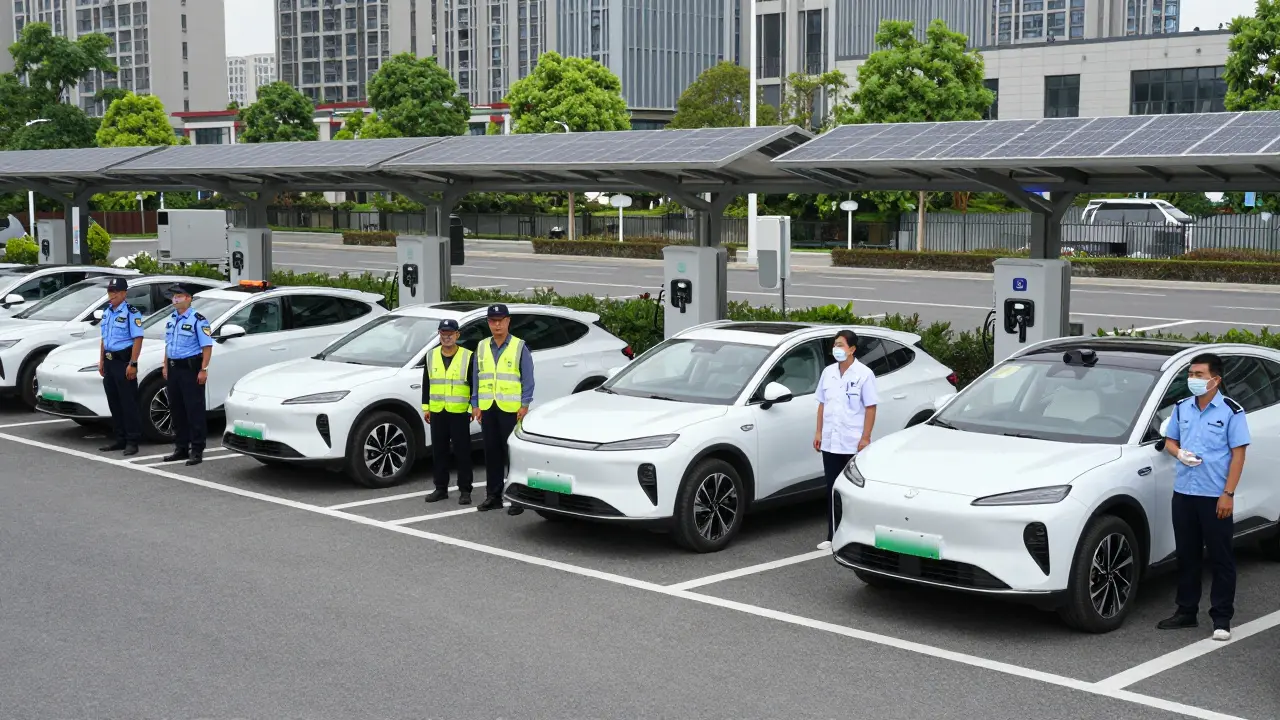
It’s not just big cities. Smaller governments are following suit. In 2025, the state of Vermont mandated that all county vehicles under 10,000 lbs be electric by 2030. The state didn’t wait for federal funding-it used its own budget surplus to buy 300 electric sedans and SUVs for police, public works, and health inspectors.
The federal government in the U.S. is playing catch-up. The Inflation Reduction Act allocated $3 billion to state and local fleets. But many agencies still struggle with charging infrastructure. A 2025 GAO audit found that 62% of government fleets lacked adequate charging stations. That’s changing fast. Cities like Chicago and Portland are installing smart chargers in parking garages, using solar canopies and battery storage to avoid grid overload.
Charging: The Hidden Bottleneck
Most people think the problem is range. It’s not. It’s charging.
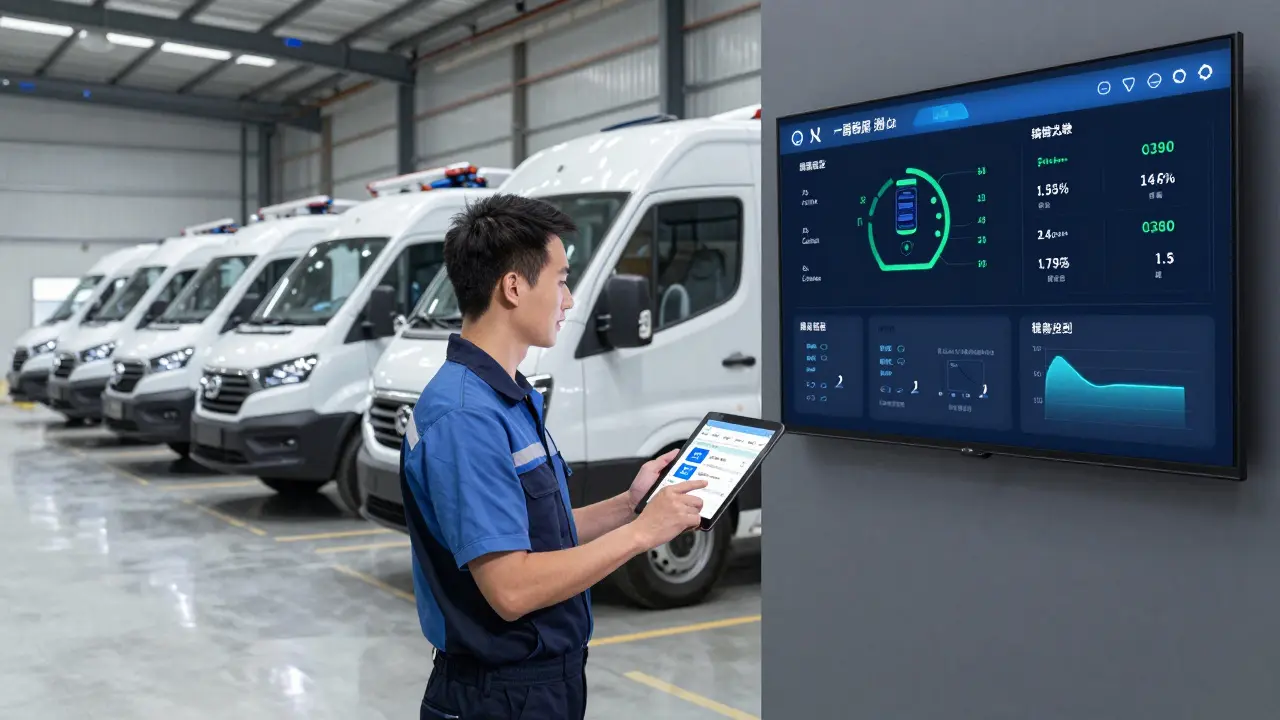
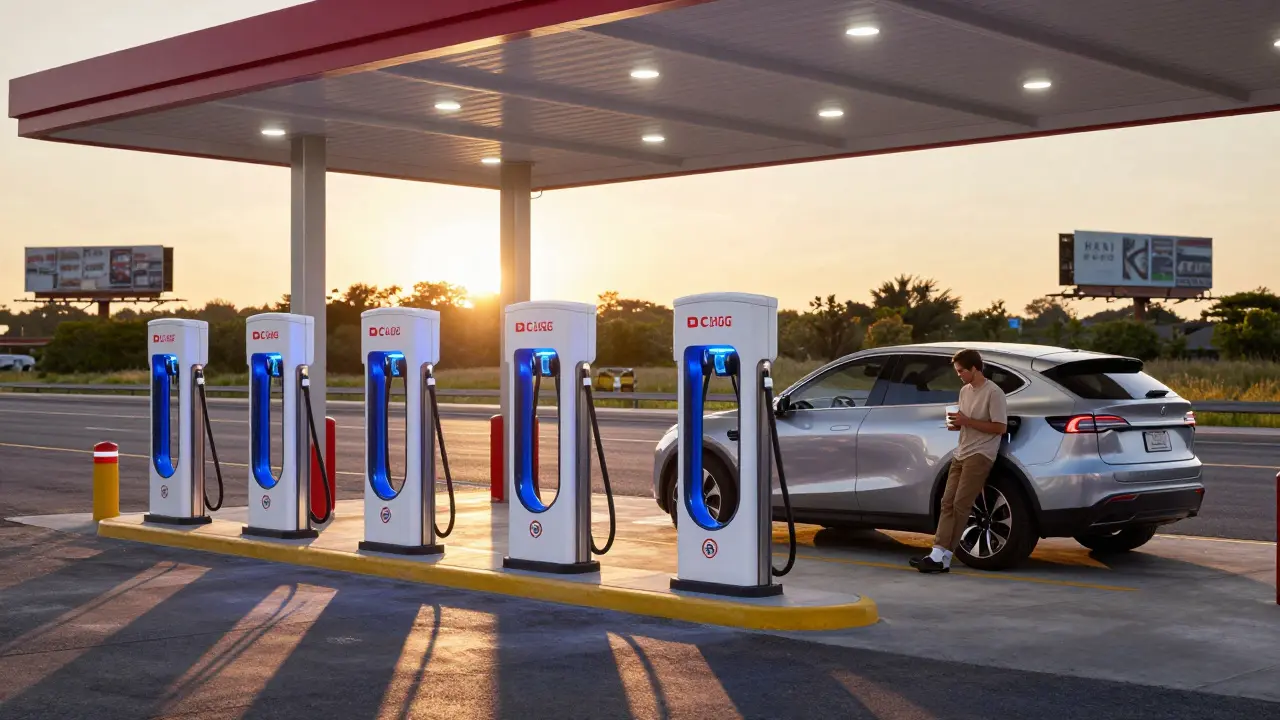
A typical electric delivery van can go 200 miles on a charge. That’s fine for urban routes. But if all 50 vans in a depot need to recharge at once, the grid can’t handle it. That’s why companies are installing Level 2 chargers with smart scheduling. UPS now uses software that charges trucks overnight during off-peak hours, then tops them off during lunch breaks using solar-powered canopies.
Government fleets are even more complex. A police car might need to charge in under 15 minutes. That requires DC fast chargers-expensive, power-hungry, and hard to install. Many cities are partnering with utilities to build microgrids. Austin, Texas, installed a 1.2 MW battery system at its fleet center. It stores solar energy from city rooftops and delivers 150 kW to 12 vehicles at once. No grid strain. No extra cost.
Costs: Upfront Pain, Long-Term Gain
Yes, electric vehicles cost more upfront. A Ford E-Transit van lists for $48,000. A diesel version? $35,000. But that’s not the full picture.
Over five years, the electric van saves $18,000 in fuel and $9,000 in maintenance. Add in tax credits-up to $7,500 per vehicle under the Inflation Reduction Act-and the price gap shrinks to under $5,000. For fleets buying 50+ vehicles, bulk discounts and federal grants often erase the difference entirely.
Leasing is becoming popular. Companies like Enterprise and Hertz now offer EV fleet leasing with full maintenance included. No upfront cost. Just a monthly fee. That’s why small businesses are jumping in. A 10-vehicle landscaping company in Ohio switched to electric in 2024. Their monthly cost dropped from $3,200 to $2,100.
What’s Next? The Road Ahead
By 2030, the International Energy Agency predicts that 70% of all light-duty commercial vehicles sold globally will be electric. Heavy-duty trucks? That number is 45%. It’s not a question of if-it’s a question of how fast.
Technology is catching up. Solid-state batteries are coming. They’ll double range, cut charging time to 10 minutes, and last longer. Companies like QuantumScape and Toyota are testing them in fleet prototypes. By 2028, we’ll see the first electric semi-trucks with 500-mile range and 15-minute charging.
Software is helping too. Fleet management platforms like Geotab and Samsara now include real-time battery health tracking, route optimization for charging stops, and predictive maintenance alerts. One logistics firm in Georgia reduced downtime by 35% after installing AI-powered fleet analytics.
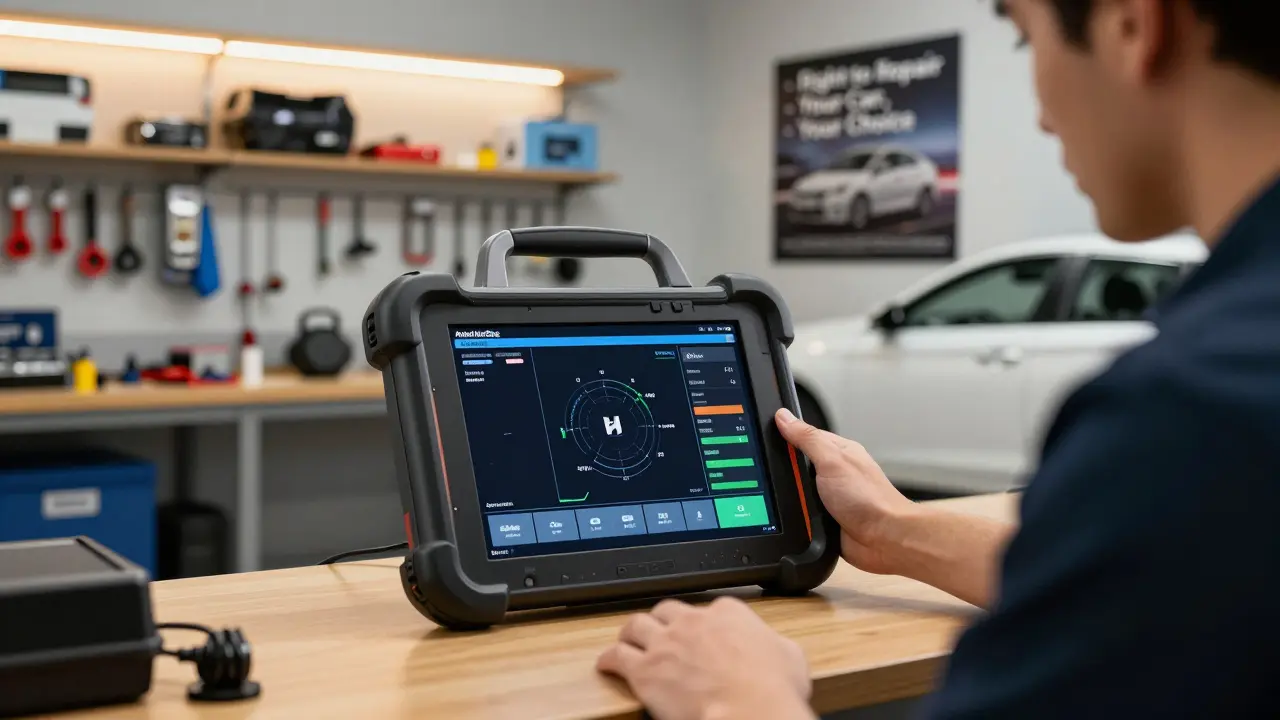
The biggest barrier now? Workforce training. Mechanics who’ve spent decades fixing engines don’t know how to handle electric motors or regenerative braking. Training programs are popping up. Ford, General Motors, and Rivian now offer free certification courses for fleet technicians. Over 12,000 mechanics have been trained since 2023.
Final Thought: It’s Not About Cars. It’s About Systems.
Fleet electrification isn’t just swapping gas for electricity. It’s changing how companies think about energy, maintenance, logistics, and even employee safety. A warehouse that used to smell like diesel now runs quietly. A city that once had smog alerts now has cleaner air. A driver who used to spend hours at the mechanic now has more time with family.
This shift is happening because it works. Not because it’s trendy. Not because it’s forced. Because it’s smarter, cheaper, and cleaner. And it’s only getting started.
What’s the biggest challenge in transitioning a fleet to electric vehicles?
The biggest challenge isn’t the vehicles-it’s charging infrastructure. Many fleets operate in locations without sufficient electrical capacity. Installing Level 2 or DC fast chargers requires upgrades to transformers, wiring, and sometimes even the local grid. Without smart charging systems that stagger usage or use battery storage, peak demand can spike utility bills or cause outages. Planning ahead with energy audits and utility partnerships is critical.
Are electric fleet vehicles more expensive than diesel ones?
Upfront, yes-but over the vehicle’s lifetime, no. An electric van may cost $10,000-$15,000 more than a diesel model. But fuel savings alone can be $3,000-$5,000 per year per vehicle. Maintenance costs drop by 30-50% because there’s no engine oil, transmission, or exhaust system. With federal tax credits and state rebates, the total cost of ownership often becomes lower within 2-3 years.
Which electric vehicles are most popular for corporate fleets?
For light-duty fleets, the Ford E-Transit, Chevrolet BrightDrop Zevo 600, and Ram ProMaster EV lead the market. For medium-duty trucks, Freightliner eCascadia and Tesla Semi are gaining traction. Municipal fleets often choose the Ford F-150 Lightning for utility roles and the Rivian EDV for delivery. These models offer proven range (150-250 miles), proven reliability, and strong service networks.
Can small businesses afford to switch to electric fleets?
Absolutely. Many small businesses are leasing electric vehicles instead of buying. Leasing with full maintenance included can cost less than keeping an old diesel van running. Programs like the EPA’s Clean School Bus Program and state-level EV grants help nonprofits and small fleets access funding. Some utilities even offer free charging stations for qualifying businesses. The barrier isn’t cost-it’s awareness.
How long does it take to charge an electric fleet vehicle?
It depends on the charger. Level 2 chargers (7-11 kW) take 6-10 hours to fully charge a typical delivery van. DC fast chargers (50-150 kW) can add 100-200 miles of range in 20-40 minutes. For overnight charging, most fleets use Level 2. For high-turnover operations like delivery hubs, DC fast chargers paired with battery buffers are becoming standard. The key is matching the charger type to the vehicle’s schedule.
Yashwanth Gouravajjula
February 13, 2026 AT 02:15Kevin Hagerty
February 13, 2026 AT 13:40Janiss McCamish
February 14, 2026 AT 19:35Richard H
February 15, 2026 AT 06:31Kendall Storey
February 15, 2026 AT 22:20Ashton Strong
February 16, 2026 AT 20:32Steven Hanton
February 18, 2026 AT 04:50Pamela Tanner
February 18, 2026 AT 07:06Kristina Kalolo
February 18, 2026 AT 20:30ravi kumar
February 19, 2026 AT 02:27Megan Blakeman
February 20, 2026 AT 08:33Akhil Bellam
February 20, 2026 AT 09:53Amber Swartz
February 21, 2026 AT 08:59Robert Byrne
February 21, 2026 AT 14:54Tia Muzdalifah
February 23, 2026 AT 09:52