Stealth camping with vans isn’t about breaking rules-it’s about knowing them
Most people think stealth camping means sneaking into parking lots at night, turning off your lights, and hoping no one notices. But the real secret? It’s not about hiding. It’s about blending in. If you’re living in a van and want to sleep without getting kicked out, fined, or worse, you need to understand where you can legally park, how to act like you belong, and what to avoid at all costs.
Where you can legally sleep in your van
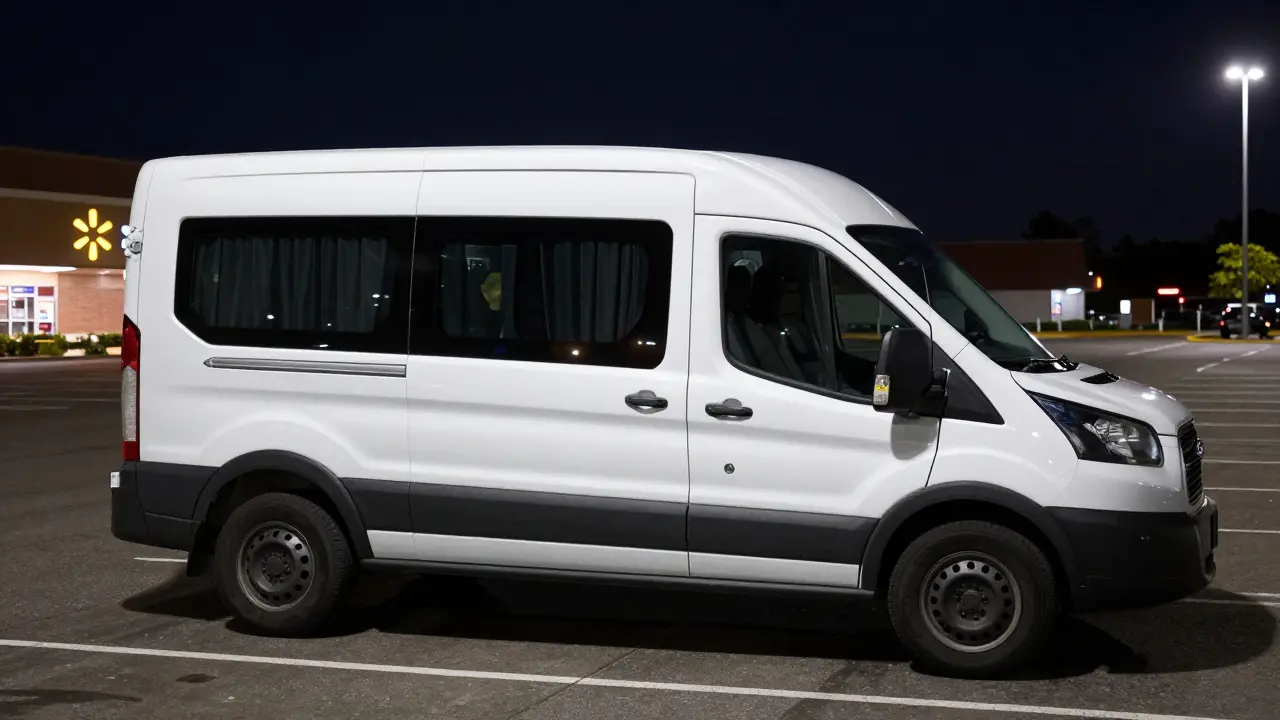
Not every parking lot is off-limits. Many places welcome overnight stays if you’re quiet and don’t create a scene. In the U.S., Walmart parking lots are a well-known option. Most locations allow van dwellers to sleep overnight, as long as you don’t set up chairs, cook outside, or stay for days on end. It’s not a law-it’s a store policy, and most managers don’t enforce it unless you’re disruptive.
Another solid choice is Rest areas along interstate highways. Every state has them, and many explicitly permit overnight parking for drivers resting. Check your state’s DOT website-some, like California and Oregon, allow up to 8 hours. Others, like New York, ban overnight stays entirely. Don’t assume. Always verify.
Bureau of Land Management (BLM) land is another legal option, especially out west. You can camp for free on public land for up to 14 days in a 28-day period. No facilities. No trash cans. Just dirt, trees, and silence. It’s perfect for solo travelers who don’t mind roughing it. Apps like FreeRoam and iOverlander show exact BLM boundaries so you don’t accidentally wander into private property.
How to avoid drawing attention
Stealth isn’t about being invisible. It’s about being unremarkable. A van that looks like it belongs is far less likely to get flagged.
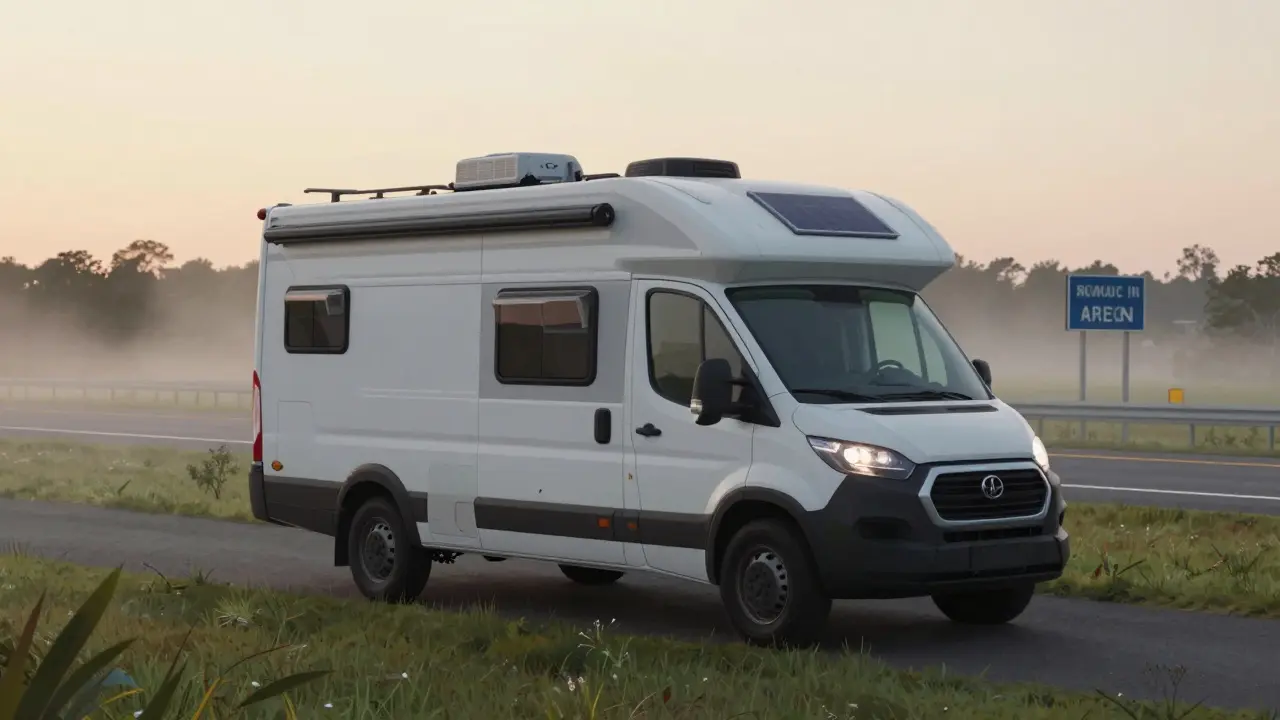
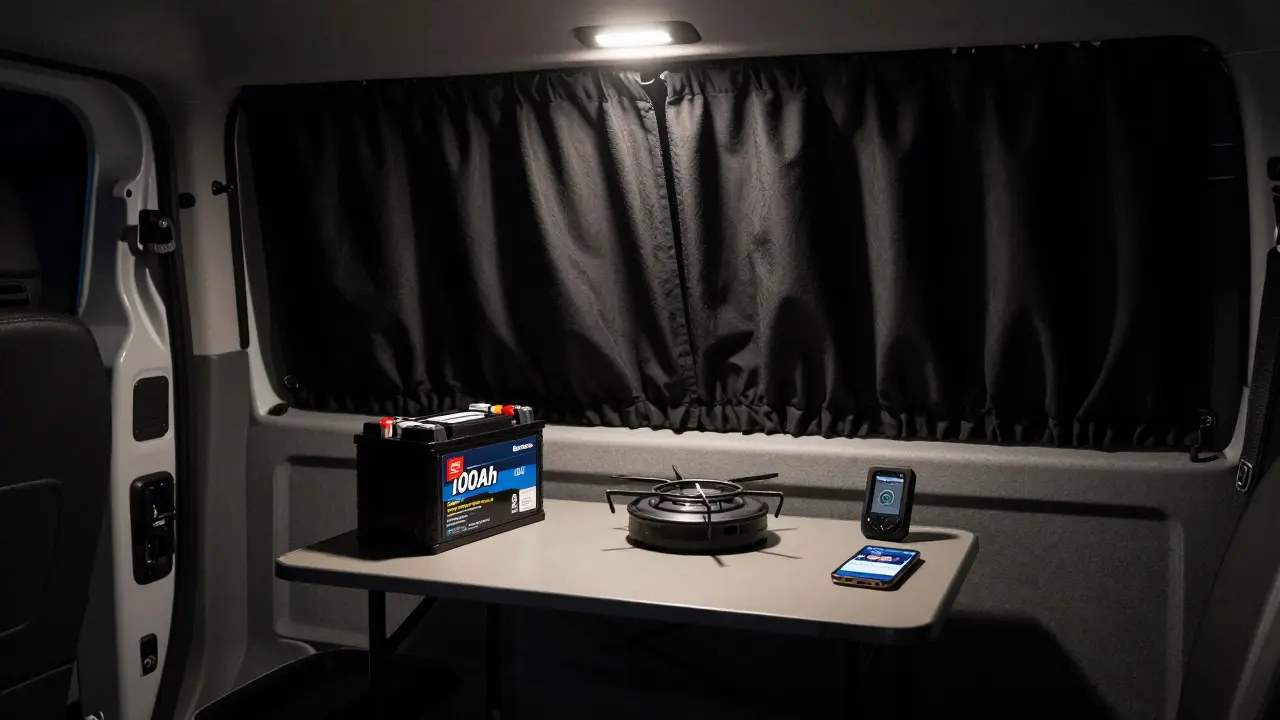
Start with your appearance. Remove roof racks, external antennas, or anything that screams “van life.” Keep your windows tinted or covered with blackout curtains. Don’t leave gear stacked outside. If you need to use the restroom, do it at a gas station-not next to your van. If you’re cooking, use a small induction burner inside and keep the smell contained. Open the side door only when necessary.
Keep your van clean. A dusty, messy van looks like someone’s living in it. A clean, organized van looks like someone just pulled over for a nap. That’s the line.
Timing matters too. Arrive after dark and leave before sunrise. If you’re parked near a business, don’t be there during peak hours. Grocery stores, shopping centers, and gas stations are busiest between 7 a.m. and 9 a.m. and 4 p.m. to 7 p.m. Park when they’re quiet.
What to never do
There are a few mistakes that get people kicked out-or worse, reported to police.
- Never camp in residential neighborhoods. Even if no one’s home, your van stands out. Neighbors notice. They call cops. One complaint can get you banned from an entire city.
- Never run your engine all night. Idling draws attention. Use a portable battery system or solar panel to power lights and charge devices. A 100Ah lithium battery can run a small fridge, LED lights, and a phone charger for two days.
- Never leave trash or food out. Animals will come. Rats, raccoons, even bears in some areas. Trash smells. Smells attract attention. Always pack out what you bring in.
- Never park on private property without permission. Even if it looks empty, it’s not yours. Trespassing laws vary by state, but the penalty is usually a fine-and a record.
Tools that make stealth camping easier
You don’t need fancy gear, but a few smart tools turn chaos into calm.
- Blackout curtains for windows-get ones with Velcro or magnetic seals. They block light and heat, and they’re easy to install.
- A portable power station like the Jackery 500 or EcoFlow River 2. No generator noise. No fumes. Just quiet power.
- A GPS tracker for your van. If you get towed or moved, you’ll know where it went. Some, like Tile or Apple AirTag, fit in a glove box.
- An app like iOverlander-it’s the most reliable crowd-sourced database of legal overnight spots. Users tag locations with notes like “no problem,” “manager says yes,” or “avoid after 10 p.m.”
- A folding stool and collapsible water jug-keep them inside. No need to put them out unless you’re at a designated campsite.
How to handle encounters with authorities
Even if you’re doing everything right, you might still get approached. Police, security guards, or even curious neighbors might knock on your door.
Stay calm. Roll down your window just enough to talk. Be polite. Say something like: “I’m just resting for the night. I’ll be gone by sunrise.” Don’t argue. Don’t lie. Don’t say you’re “homeless” or “on the road.” Say you’re a traveler, a driver, or a road tripper. That’s the truth.
If they ask you to leave, leave. No excuses. No drama. Drive to the next spot. Resentment gets you in trouble. Cooperation keeps you on the road.
Some cities, like Portland and Austin, have passed ordinances protecting van dwellers from harassment. Others, like Los Angeles and Miami, have strict no-camping laws. Know the rules of the city you’re in. Google “van dwelling laws [city name]” before you park.
Real stories from the road
In 2024, a van lifer in Arizona was ticketed for sleeping in a Walmart parking lot. He had left his awning out and a chair next to his van. He didn’t realize Walmart’s policy only allows “resting,” not “camping.” He paid the $75 fine and switched to BLM land.
Another person in Colorado slept in a rest area for three nights straight. She didn’t know the limit was 8 hours. A state trooper noticed her van was still there the next morning. She got a warning, not a ticket, because she apologized and left immediately.
These aren’t rare cases. They happen every day. The difference between staying safe and getting in trouble? Awareness.
What to do if you get towed
If your van gets towed, don’t panic. Call the non-emergency number for the city or county where you were parked. Ask for the impound lot. Bring your ID and proof of ownership. Fees range from $150 to $500, depending on the location.
Some places, like Seattle, offer a 24-hour grace period before towing. Others, like San Francisco, tow within minutes. If you’re parked where signs say “No Overnight Parking,” you have no legal recourse. That’s why preparation matters more than luck.
Where to go next
Stealth camping is a skill, not a hack. The more you do it, the better you get. Start in small towns. Practice in places where no one expects to see a van. Learn to read the environment. Watch how people move. Notice where others park. Listen to what’s said-or not said.
Join online communities like r/vandwellers on Reddit or the Vanlife Facebook groups. People share real-time updates: “Walmart in Boise is fine,” “Rest area on I-80 near Cheyenne is sketchy after midnight.” These aren’t rumors-they’re survival tips from people who’ve been there.
And remember: this isn’t about escaping society. It’s about choosing how to live in it. You don’t need a house to be stable. You just need to know where you’re allowed to rest.
Is it legal to sleep in my van at Walmart?
Yes, in most cases. Walmart doesn’t have a national policy against overnight parking, but individual store managers can ask you to leave. Keep it quiet, don’t set up camp outside, and don’t stay more than one night. Most locations tolerate it as long as you’re respectful.
Can I be arrested for sleeping in my van?
You won’t be arrested just for sleeping in your van. But if you’re violating local ordinances-like camping in a residential area, blocking traffic, or creating a public nuisance-you could be cited or asked to leave. Arrests are rare unless you’re being disruptive, trespassing, or refusing to comply with law enforcement.
What’s the best van for stealth camping?
The best van is one that looks ordinary. A white Ford Transit, a black Mercedes Sprinter, or a gray Nissan NV200 blend in better than a brightly colored RV with roof racks. Avoid modifications that make your vehicle stand out. Simplicity is your best camouflage.
How do I power my devices without a generator?
Use a lithium battery system paired with solar panels. A 100Ah lithium battery can power LED lights, a phone charger, and a small fridge for two days. Solar panels on the roof can recharge it during daylight. No noise. No fumes. No attention.
Are rest areas safe for overnight parking?
Most are, but safety depends on location. Rural rest areas on interstate highways are usually quiet and well-lit. Urban rest areas near big cities can be risky due to crime or drug activity. Check iOverlander reviews or ask other van dwellers before parking. Stick to areas with high traffic during the day-they’re less likely to be used for illegal activity at night.
What should I do if someone knocks on my door at night?
Stay calm. Roll down your window slightly. Be polite. Say you’re just resting and will leave by sunrise. Don’t argue, don’t offer more than you have to. If they’re a police officer, ask if you’re being cited or just asked to move. If it’s a civilian, thank them and leave if you feel uncomfortable. Your safety comes first.

Tarun nahata
January 18, 2026 AT 00:42Aryan Jain
January 19, 2026 AT 01:59Nalini Venugopal
January 19, 2026 AT 06:53Pramod Usdadiya
January 19, 2026 AT 07:02Aditya Singh Bisht
January 20, 2026 AT 12:09Rohit Sen
January 21, 2026 AT 11:19Amit Umarani
January 23, 2026 AT 10:28Noel Dhiraj
January 25, 2026 AT 00:18vidhi patel
January 26, 2026 AT 13:58Priti Yadav
January 27, 2026 AT 20:37Ajit Kumar
January 28, 2026 AT 21:22