Subcompact SUVs: Smallest Options with Practical Features
You don’t need a big SUV to handle snow, carry groceries, or take the kids to soccer. The smallest SUVs on the market today pack surprising space, modern tech, and real-world utility into a package that’s easy to park and cheap to run. If you’ve been told you need a full-size SUV to feel safe or practical, you’ve been sold a myth.
Subcompact SUVs have evolved fast. Five years ago, they were afterthoughts-tiny, underpowered, and stuffed with cheap plastics. Today, models like the Honda HR-V, a subcompact SUV with a versatile Magic Seat system that folds flat or flips up to carry tall items, the Kia Stonic, a European favorite with standard Apple CarPlay and a 10.25-inch touchscreen, and the Toyota Corolla Cross, a hybrid-only option with 40 mpg and 169 horsepower deliver more room, better safety, and smarter features than many midsize sedans from a decade ago.
Why Subcompact SUVs Work for Real Life
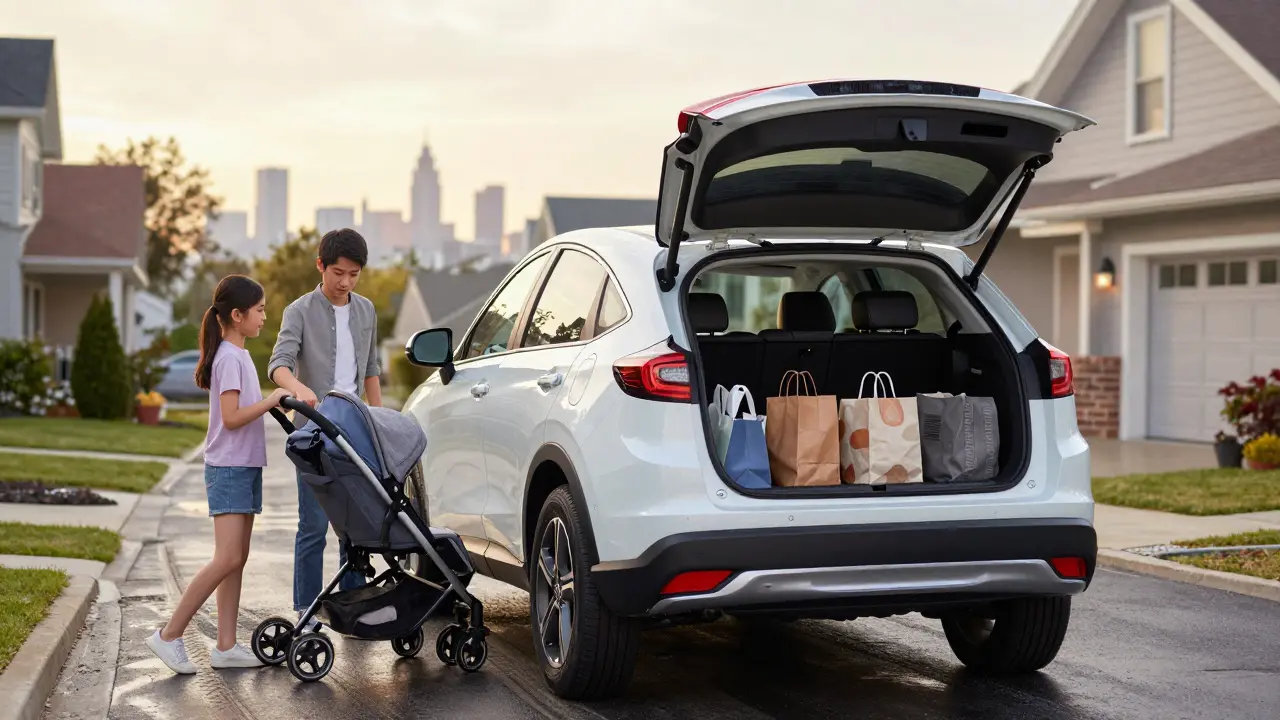
Most people don’t need seven seats or a 300-horsepower engine. They need something that fits in a garage, doesn’t cost $40,000, and still lets them carry a stroller, a bike, or a week’s worth of groceries without folding the seats into a pretzel.
Subcompact SUVs hit that sweet spot. They’re taller than hatchbacks, giving you better visibility and easier entry. They’re shorter than regular SUVs, making them perfect for city driving and tight parking spots. And thanks to modern packaging, their interiors feel bigger than their exterior dimensions suggest.
Take the Hyundai Kona, a subcompact SUV with 16.4 cubic feet of cargo space behind the rear seats and 45.8 cubic feet when folded. That’s more than a Honda Civic Hatchback and close to what you’d get in a midsize sedan. The rear seats recline, and the floor is flat. You can fit a full-size stroller upright, or two medium suitcases side by side. For a vehicle under 170 inches long, that’s impressive.
Key Features You Actually Use
Don’t get fooled by flashy ads for heated steering wheels or panoramic roofs. The features that matter in a small SUV are the ones you’ll use every day.
- High seating position - Gives you a better view of traffic and pedestrians, especially helpful in crowded urban areas.
- Easy-to-use infotainment - No more fumbling with tiny screens. Most now have wireless Apple CarPlay and Android Auto as standard.
- Good fuel economy - The Toyota Corolla Cross Hybrid, gets an EPA-estimated 40 mpg combined, saving over $500 a year versus a gas-only model.
- Standard safety tech - Automatic emergency braking, blind-spot monitoring, and lane-keeping assist are now common even on base trims.
- Adjustable cargo floors - Models like the Honda HR-V, have a Magic Seat that lets you raise the rear seat cushion to create a flat, elevated loading surface.
These aren’t luxury add-ons. They’re the reason people switch from sedans or hatchbacks. One owner in Chicago told me she traded her 10-year-old Honda Fit for a Kia Seltos because she could finally load her dog’s crate without crawling into the back. That’s the kind of real benefit you won’t find in brochures.

Top 5 Subcompact SUVs for 2026
Here are the five smallest SUVs that balance size, value, and usefulness better than any others this year.
| Model | Starting Price | Cargo Space (cu. ft.) | Fuel Economy (MPG) | Key Feature |
|---|---|---|---|---|
| Honda HR-V | $24,800 | 45.8 | 32 city / 35 hwy | Magic Seat system |
| Toyota Corolla Cross | $25,400 | 48.5 | 40 combined (hybrid) | Hybrid-only, 169 hp |
| Hyundai Kona | $22,700 | 45.8 | 28 city / 33 hwy (gas) | Available EV version |
| Kia Seltos | $24,200 | 66.8 | 29 city / 34 hwy | Most cargo space in class |
| Mazda CX-30 | $26,700 | 44.7 | 27 city / 32 hwy | Best interior materials |
The Kia Seltos, offers the most cargo room in the class-66.8 cubic feet-while still being under 172 inches long. It’s also the only one here with a standard 12.3-inch touchscreen and wireless charging. If you haul gear often, this is your best bet.
The Toyota Corolla Cross Hybrid, is the most efficient, with no plug-in required. It’s quiet, smooth, and Toyota’s reliability record means low repair costs over time. If you drive more than 12,000 miles a year, the fuel savings pay for the higher sticker price in under three years.
The Mazda CX-30, isn’t the cheapest or the roomiest, but it’s the most refined. The interior feels like a luxury car, with soft-touch materials and a well-tuned ride. It’s the pick for drivers who want style without sacrificing practicality.
What You Sacrifice (And Why It Doesn’t Matter)
Subcompact SUVs aren’t perfect. They’re not ideal for long highway road trips with five adults. Their rear seats are snug for tall teens. And if you need to tow a trailer, most can’t handle more than 1,000 pounds.
But here’s the truth: most people don’t need those things. A 2023 survey by Consumer Reports found that 78% of SUV owners rarely carry more than two passengers. And only 12% tow anything more than a small kayak or bike rack.
What you give up in space, you gain in cost, efficiency, and ease. A subcompact SUV costs $5,000-$8,000 less than a midsize SUV. Insurance is lower. Gas is cheaper. Parking is easier. And with modern safety tech, you’re just as protected as you would be in a larger vehicle.
Who Should Buy One?
These are the people who benefit most from a subcompact SUV:
- Urban dwellers - Tight streets, narrow garages, and expensive parking make a smaller car a no-brainer.
- Young families - Enough room for a stroller, car seats, and groceries, without the hassle of a bigger SUV.
- Retirees - Easier to get in and out of, great visibility, and low running costs.
- Second-car buyers - Perfect for errands, school runs, or weekend trips without using the family truckster.
- First-time buyers - Lower price, lower insurance, and plenty of tech to make driving less intimidating.
If you’re shopping for a vehicle that’s just big enough to be useful but small enough to be affordable, this category is your best bet. You’re not settling-you’re choosing wisely.
What’s New in 2026
This year, subcompact SUVs got smarter. The Honda HR-V, now comes with a 10.2-inch digital cluster and wireless Android Auto as standard across all trims. The Hyundai Kona, offers an all-electric version with 258 miles of range and a 10-minute fast-charge for 80%. The Kia Seltos, got updated adaptive cruise control that works in stop-and-go traffic.
Even base models now include automatic emergency braking, rear cross-traffic alert, and lane centering. That’s a huge jump from 2020, when those features were optional or missing on entry trims.
And pricing? Most start under $25,000. With incentives and dealer deals, you can walk out with a fully loaded model for under $28,000. That’s less than a midsize sedan used to cost five years ago.
Final Thoughts
Subcompact SUVs aren’t just the smallest option-they’re often the smartest. They give you the elevated ride, versatile cargo space, and safety tech of a bigger SUV without the weight, cost, or hassle. If you’ve been waiting for a small SUV that doesn’t feel like a compromise, 2026 is the year to act.
Test drive at least two models. Sit in the back. Load up a stroller. Try the infotainment with your phone. See how easy it is to park. You might be surprised how much you actually need-and how little you really need to spend.
Are subcompact SUVs safe?
Yes. Most subcompact SUVs earn Top Safety Pick ratings from the IIHS and five-star ratings from the NHTSA. Standard features like automatic emergency braking, blind-spot monitoring, and lane-keeping assist make them among the safest vehicles in their class. The Honda HR-V and Toyota Corolla Cross both scored "Good" in all crash tests.
Can a subcompact SUV handle snow?
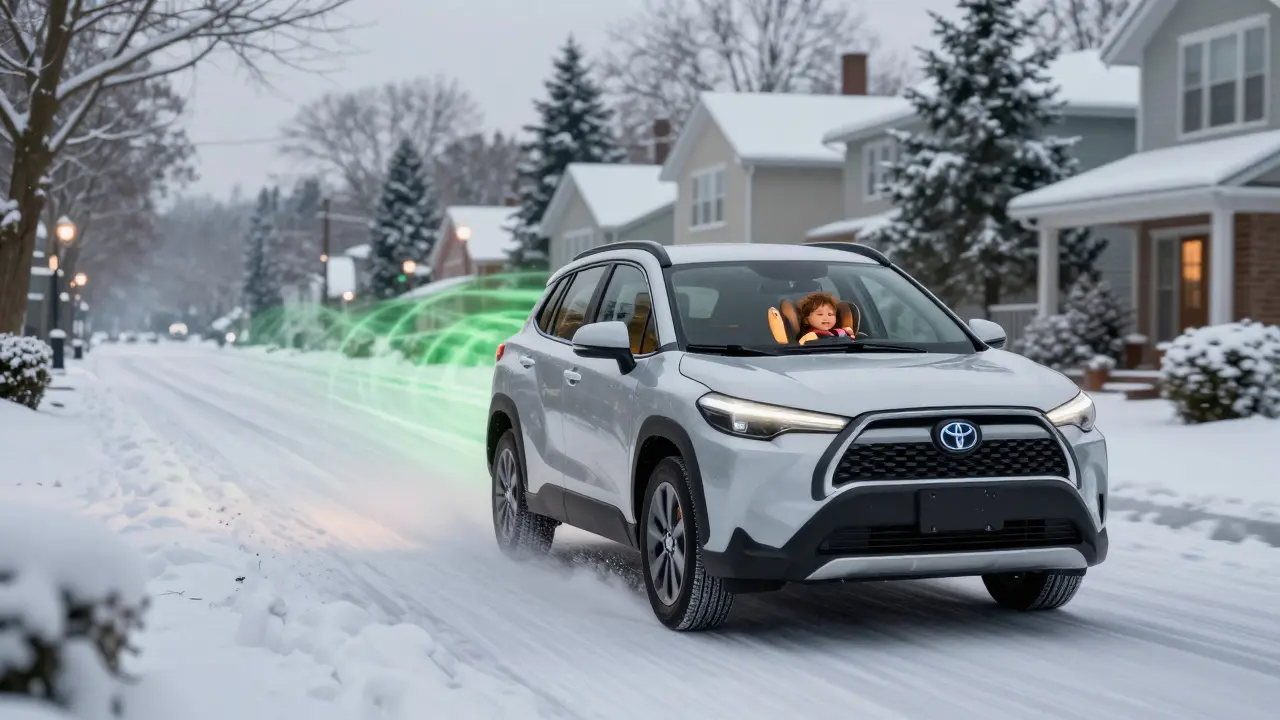
With all-wheel drive and winter tires, yes. Models like the Subaru Crosstrek, Honda HR-V, and Kia Seltos offer AWD as an option. Even front-wheel-drive versions have enough ground clearance (7-8 inches) to handle moderate snow. They’re far better than sedans in winter conditions.
Which subcompact SUV has the most cargo space?
The Kia Seltos leads with 66.8 cubic feet behind the front seats when the rear seats are folded. The Toyota Corolla Cross follows closely with 48.5 cubic feet, but its hybrid system doesn’t eat into cargo space like some competitors. The Honda HR-V’s Magic Seat also gives it an edge for oddly shaped items.
Are electric subcompact SUVs worth it?
The Hyundai Kona Electric and Nissan Kicks EV offer 200+ miles of range and lower operating costs. If you charge at home, you’ll save hundreds a year on fuel. But if you don’t have reliable charging, stick with a hybrid like the Corolla Cross. Range anxiety is real in colder climates.
Is it better to buy new or used?
For the best value, look at 2022-2024 models. They still have modern safety tech and warranties, but cost $5,000-$8,000 less than new. Avoid models before 2020-they lack standard automatic emergency braking and advanced infotainment. A 2023 Kona or HR-V with 20,000 miles is a smarter buy than a 2026 model with a $4,000 premium.
Next Steps
If you’re ready to buy, start by narrowing your list to two or three models based on your budget and needs. Then, test drive them back-to-back. Pay attention to how easy it is to get in and out, how the rear seats fold, and whether the infotainment responds quickly. Don’t just sit in the driver’s seat-climb into the back. Load up a grocery bag or a child’s car seat. That’s where the real test happens.
Don’t rush. A subcompact SUV is a daily companion. Make sure it fits your life-not just your budget.
Buddy Faith
January 3, 2026 AT 08:53Scott Perlman
January 4, 2026 AT 09:51Eva Monhaut
January 5, 2026 AT 14:56Xavier Lévesque
January 5, 2026 AT 15:50Sandi Johnson
January 6, 2026 AT 14:31mark nine
January 6, 2026 AT 22:08Rakesh Kumar
January 8, 2026 AT 21:34Ronnie Kaye
January 10, 2026 AT 05:05Michael Gradwell
January 10, 2026 AT 08:53Ian Maggs
January 11, 2026 AT 22:04Bill Castanier
January 13, 2026 AT 19:15Karl Fisher
January 14, 2026 AT 18:31Thabo mangena
January 15, 2026 AT 04:25Tony Smith
January 15, 2026 AT 20:20Priyank Panchal
January 17, 2026 AT 04:49