Family SUV: Best Choices, Features, and What to Watch For
When you need a vehicle that fits car seats, groceries, and the whole crew, a family SUV, a midsize or compact vehicle designed for passenger space, safety, and practicality for households. Also known as a crossover, it’s the go-to choice for parents who want room without the bulk of a full-size truck. Not all SUVs are built the same—some are just tall sedans with extra wheels. A true family SUV offers enough seating for five adults, cargo space for strollers and sports gear, and safety features that actually matter when you’re driving kids around town or heading out for a weekend trip.
What makes a good family SUV? It’s not just about size. resale value, how much a vehicle keeps its worth over time after purchase matters because you’ll likely trade it in after a few years. Brands like Toyota, Honda, and Subaru consistently rank high because they’re reliable, cheap to fix, and easy to sell. Then there’s car safety, the combination of structural design, driver aids, and crash protection that keeps occupants safe. Features like automatic emergency braking, blind-spot monitoring, and good crash test ratings aren’t just nice-to-haves—they’re what keep your family out of harm’s way. And don’t forget compact SUV, a smaller, more fuel-efficient version of the family SUV ideal for city driving and tight parking. These models give you most of the space without the gas guzzling, making them perfect for daily commutes and weekend adventures alike.
Many families buy used, and that’s smart. A three-year-old SUV can save you thousands and still have plenty of life left. But you need to know what to look for: maintenance records, accident history, and whether the warranty is still active. A car with a solid service history and no major recalls is worth its weight in gold. And if you’re thinking about hybrids or EVs, know this—fuel economy and charging access matter just as much as seat count. You don’t want to be stuck on the side of the road because your battery ran out during a road trip.
There’s no perfect family SUV for everyone. Some need more cargo space. Others care more about tech features or off-road capability. But whether you’re shopping new or used, under $25,000 or pushing $40K, the right one will balance practicality, safety, and long-term cost. Below, you’ll find real-world advice on what models hold their value, how to spot a hidden problem in a used SUV, and what safety tech actually works. No fluff. Just what you need to pick the right ride for your family.
Two-Row vs. Three-Row SUVs: Which One Fits Your Seating and Cargo Needs?
- 10 Comments
- Nov, 19 2025
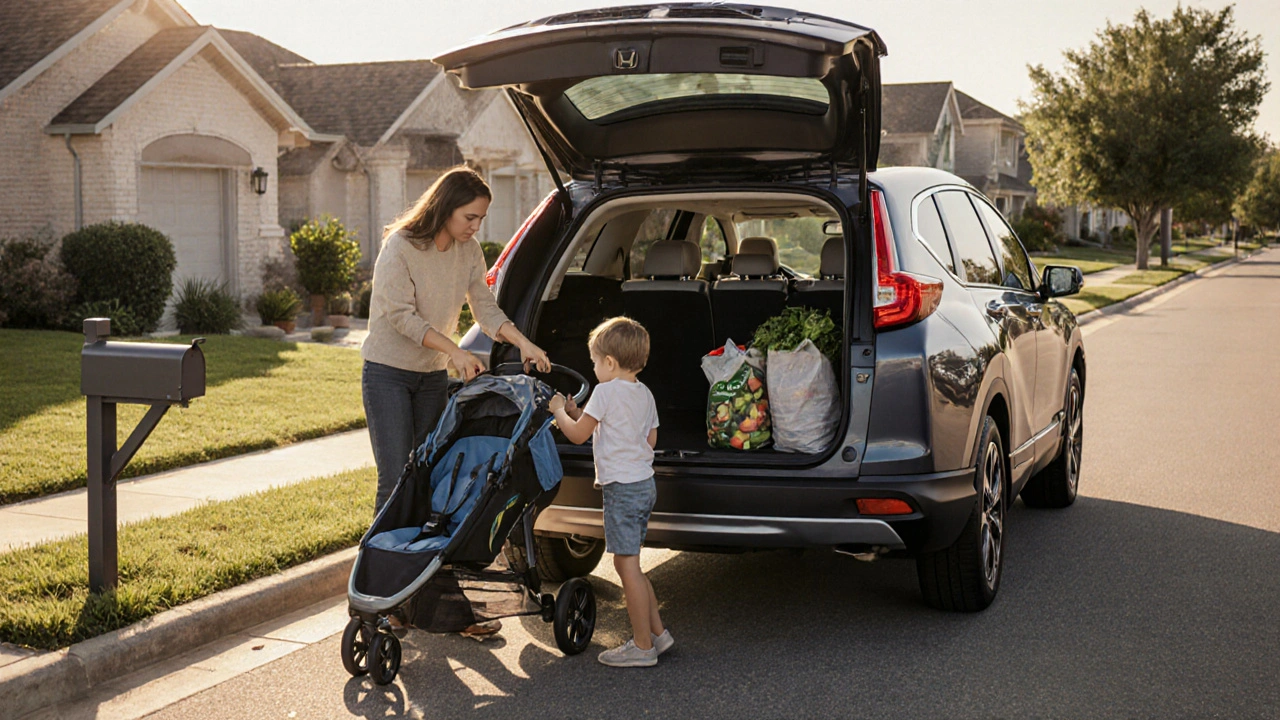
Choosing between a two-row and three-row SUV comes down to real-life seating needs and cargo space. Learn the tradeoffs in cost, comfort, and practicality to pick the right one for your family.