GPS Tracking: How It Works and What It Means for Your Vehicle
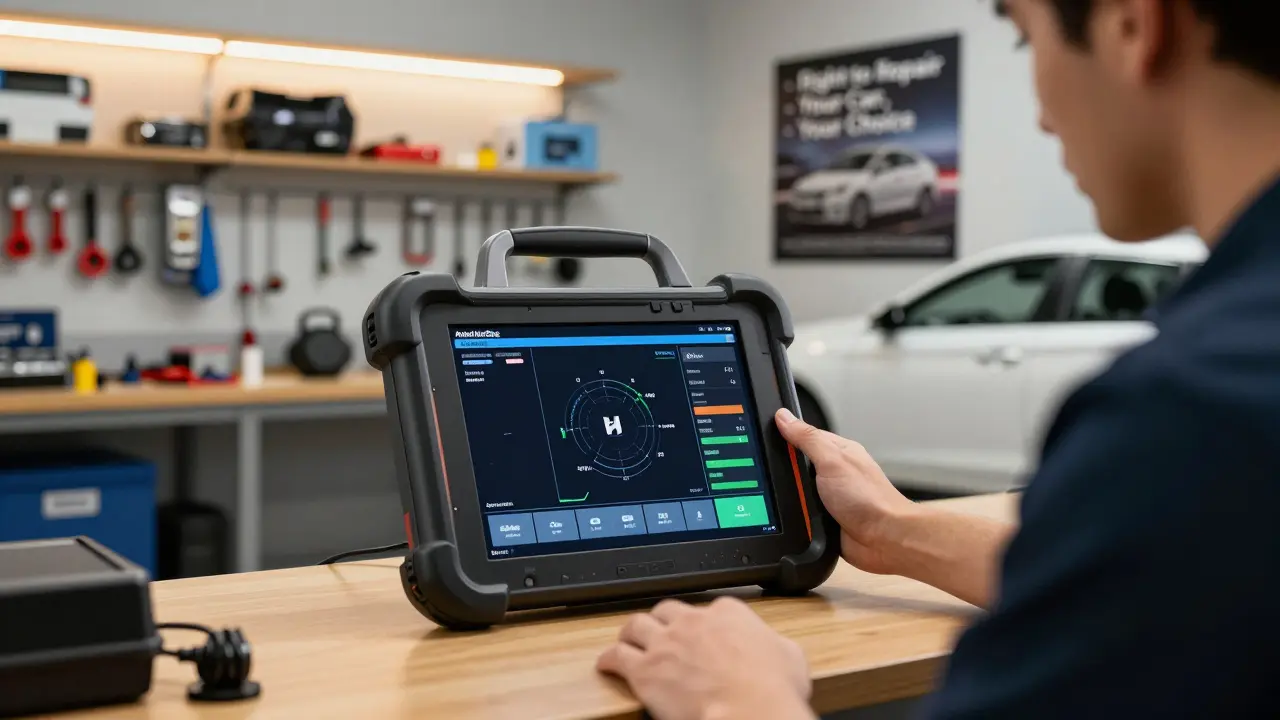
When you think of GPS tracking, a system that uses satellites to pinpoint the exact location of a vehicle in real time. Also known as vehicle location monitoring, it's not just for cops or delivery companies—it’s something every car owner should understand. Modern cars come with it built in. Aftermarket devices plug into your OBD-II port. Even your phone can track your car if you’ve got the right app. But what does it actually do for you? And what are the hidden trade-offs?
Vehicle tracking, the practical use of GPS to monitor where your car is at any moment isn’t just about finding your car if it’s stolen. It’s about knowing if your teen is driving the speed limit, if your delivery driver took the long way, or if your truck was idling for three hours in a parking lot. Fleet managers use it to cut fuel waste. Parents use it to feel safer. Car insurers even give discounts if you let them monitor your driving habits. But here’s the catch: every time your car sends its location, it’s also sending data—speed, acceleration, even brake patterns. That data doesn’t just disappear. It’s stored, shared, and sometimes sold.
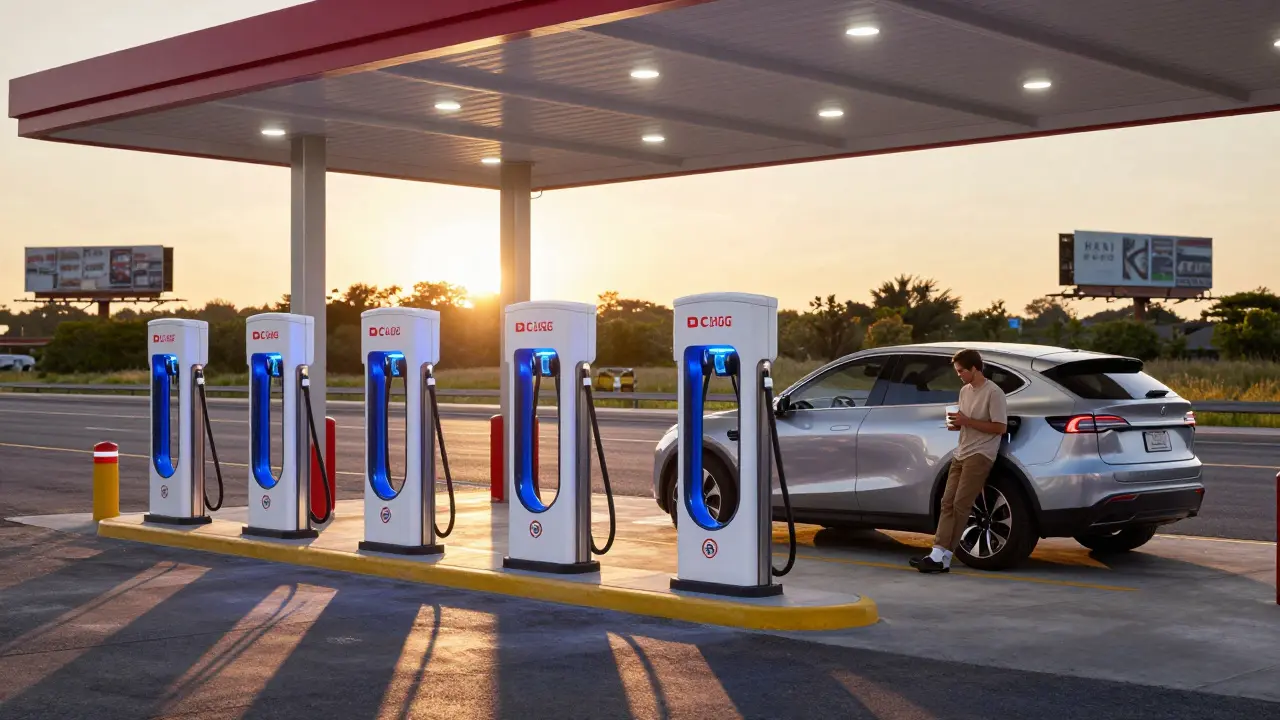
Car security, the protection of your vehicle from theft or unauthorized use has changed because of GPS tracking. Ten years ago, you’d hope your car wasn’t taken. Now, if it is, you get an alert on your phone within seconds. Some systems even let you remotely disable the engine or sound the alarm. But this tech isn’t foolproof. Hackers have broken into connected car systems. Fake GPS signals can trick trackers. And if you don’t know how to secure your account, someone else might track your movements without you knowing.
Fleet management, the use of GPS and software to oversee multiple vehicles for business efficiency is where GPS tracking shines brightest. Companies with dozens or hundreds of trucks use it to schedule routes, reduce idle time, and schedule maintenance before breakdowns happen. But it’s not just about saving money—it’s about accountability. Drivers know they’re being watched. That changes behavior. And for small businesses, it levels the playing field. You don’t need a big IT team to track your three vans. A $50 device and a free app can do the job.
And then there’s location monitoring, the ongoing recording and analysis of where a vehicle travels over time. This isn’t just about where you went yesterday. It’s about patterns. Did your car spend more time in high-theft neighborhoods? Did your employee make an unscheduled stop? Did your SUV get stuck in a snowstorm? These patterns reveal things you’d never notice just by looking at the odometer.
There’s no single right way to use GPS tracking. It’s a tool. And like any tool, its value depends on how you use it. Some people see it as a lifeline. Others see it as an invasion. The truth? It’s both. But if you understand what it does, what data it collects, and how to control it, you turn a potential privacy risk into a powerful advantage.
Below, you’ll find real-world guides on how GPS tracking connects to engine tuning, insurance claims, vehicle security, and even van life safety. No fluff. Just what works—whether you’re tracking your daily driver, your fleet, or your weekend ride.

Telematics: How Data-Driven Fleet Operations Save Money and Boost Efficiency
- 11 Comments
- Nov, 22 2025
Telematics turns your commercial fleet into a data-powered operation, cutting fuel costs, preventing breakdowns, improving driver safety, and boosting customer trust-all with real-time insights.