Harley-Davidson Electric Bike: What You Need to Know About the Future of Motorcycles
When you think of Harley-Davidson electric bike, a high-performance electric motorcycle built by one of America’s most iconic motorcycle brands. Also known as the Harley-Davidson LiveWire, it’s not just a quieter version of a classic Harley—it’s a complete rethink of what a motorcycle can be. Unlike gas-powered cruisers that rumble down the road, the Harley-Davidson electric bike delivers instant torque, near-silent acceleration, and zero tailpipe emissions. It’s designed for riders who want the Harley name but crave modern tech, not just nostalgia.
What makes this bike stand out isn’t just the motor. The electric motorcycle, a two-wheeled vehicle powered entirely by rechargeable batteries instead of an internal combustion engine has different maintenance needs. No oil changes. No spark plugs. No exhaust system to rust. That means less time in the garage and more time on the road. But it also means you need to understand battery health, charging habits, and how cold weather affects range. The EV motorcycle, a type of electric motorcycle built for real-world riding, not just city commutes isn’t just for short trips. With newer models, you can hit 100+ miles on a single charge if you ride smart—no aggressive throttle, no high speeds, and no heavy loads.
Harley didn’t just slap a battery on a frame. They redesigned the whole riding experience. The center of gravity is lower. The throttle response is immediate. The sound? It’s not a growl—it’s a hum, a whine, a futuristic whisper that turns heads for all the right reasons. Riders who switched from traditional Harleys say the handling feels more agile, almost like a sport bike, but with the same iconic stance. And while some purists miss the vibration and noise, most admit the ride is smoother, cleaner, and surprisingly fun.
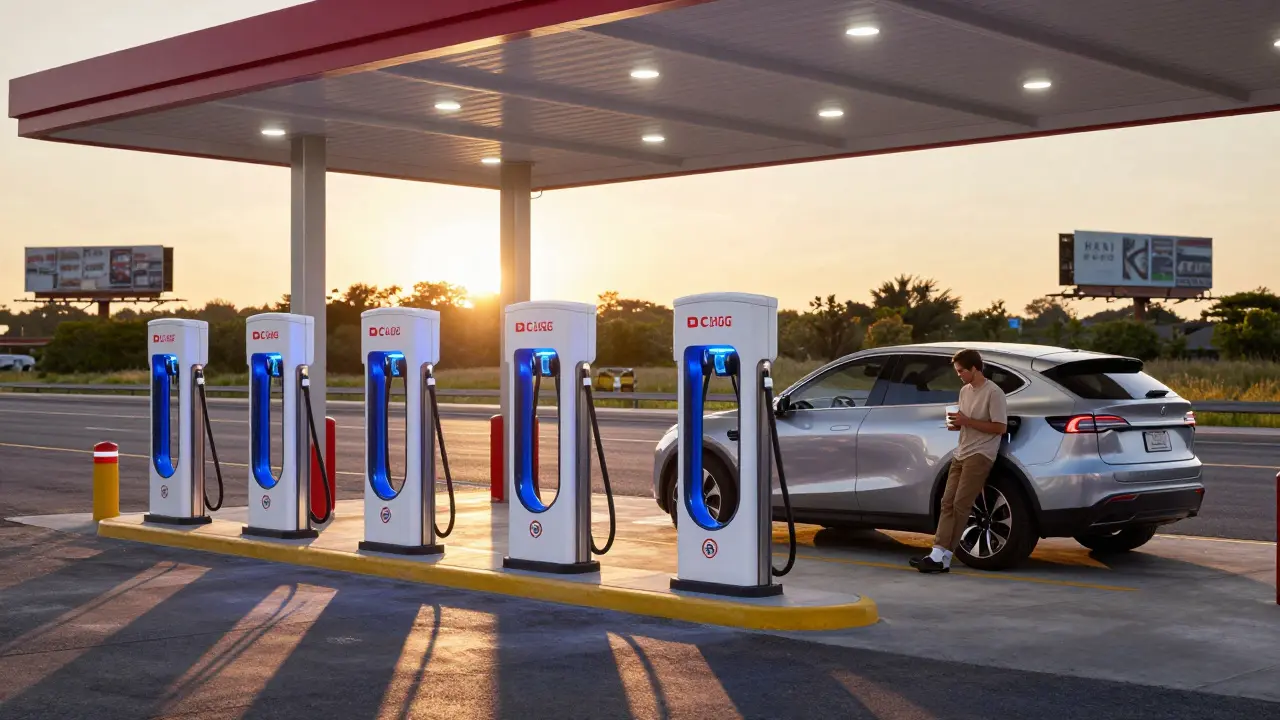
But here’s the catch: this isn’t a bike for everyone. If you’re used to long highway rides without stopping, you’ll need to plan your trips around charging. Public Level 3 DC fast chargers work best, but they’re not as common as gas stations. Home charging is simple, but it takes hours. And if you live in a cold climate, your range could drop by 30% in winter. That’s not a flaw—it’s just physics. The same thing happens with electric cars.
So who’s this for? Riders who want to cut fuel costs, reduce maintenance headaches, and ride without the noise pollution. It’s perfect for city commuters, weekend cruisers, and anyone curious about the future of motorcycling. It’s not a replacement for every Harley, but it’s a serious alternative for those ready to move beyond gas.
Below, you’ll find real-world insights on how these bikes perform, what owners say about battery life, how they compare to other electric motorcycles, and what you should know before you buy. No fluff. No marketing spin. Just what matters on the road.
Harley-Davidson News: New Models and Company Updates for 2025
- 14 Comments
- Dec, 8 2025
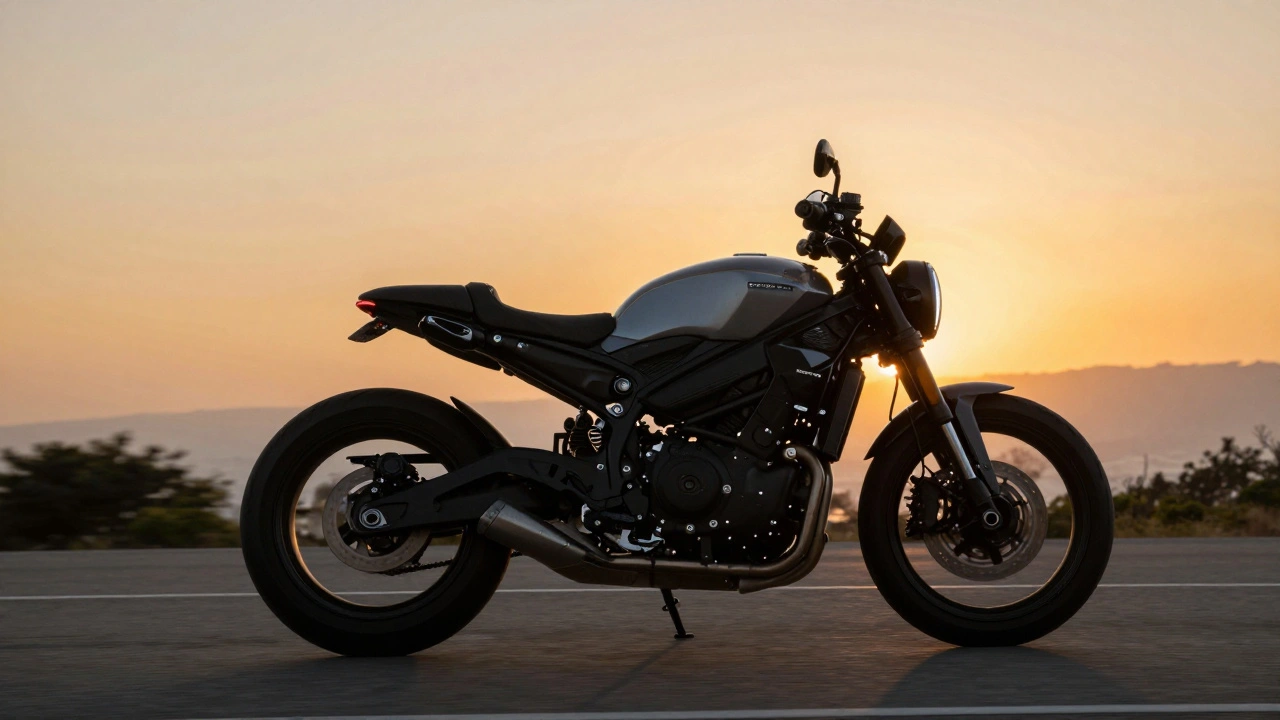
Harley-Davidson unveiled its most significant updates in years, including the new LiveWire S2 Del Mar electric bike, refreshed Sportster models, and a full shift toward electrification by 2032. Dealerships are upgrading, warranties are expanding, and global sales are surging.