Insurance Binding: What It Means and How It Protects Your Vehicle
When you insurance binding, the official start of your car insurance coverage. Also known as policy activation, it’s the moment your insurer agrees to cover you—and your vehicle—under the terms you’ve selected. Without this step, you’re driving uninsured, even if you’ve paid your premium. This isn’t just paperwork. It’s the legal switch that turns your coverage from a promise into protection.
Insurance binding isn’t the same as getting a quote. A quote is just an estimate. Binding means your insurer has reviewed your info, accepted your application, and confirmed your coverage is active. This matters most when you’re buying a new car, switching providers, or after an accident. If you get pulled over or hit by another driver right after binding, your policy is already in effect. That’s why some people bind coverage before leaving the dealership—because the moment you drive off the lot, you’re on the hook for damages if you’re not covered.
Related to this are car insurance, the financial safety net for vehicle owners, and coverage activation, the process that makes your policy legally enforceable. These are tied directly to insurance claim, the formal request for payment after an accident or damage. If you don’t have binding in place before an incident, your claim gets denied—no exceptions. That’s why maintenance records, warranty approvals, and even weather damage claims all depend on one thing: your policy was active when it happened.
Think of insurance binding like turning on a light before walking into a dark room. You don’t wait until you trip to flip the switch. In the same way, you don’t wait until a hailstorm hits or a repossession notice arrives to make sure your coverage is live. The posts below cover real situations where binding made the difference: how a missing policy activation led to a denied hail claim, why loan defaulters often overlook their insurance status, and how motorcycle riders get caught out when their coverage lapses between rides. You’ll also see how third-party warranties and vehicle recalls tie back to this same principle—if your insurance isn’t bound, you’re paying out of pocket for repairs that should’ve been covered.
Whether you’re buying a used car, planning a road trip, or just trying to avoid a surprise bill after a fender bender, understanding insurance binding saves you money and stress. It’s not glamorous, but it’s one of the most important steps you’ll take as a car owner. Below, you’ll find real stories and practical guides that show exactly how it works—and what happens when you skip it.
Motorcycle Insurance Binding at Purchase: Proof and Timing
- 11 Comments
- Nov, 16 2025
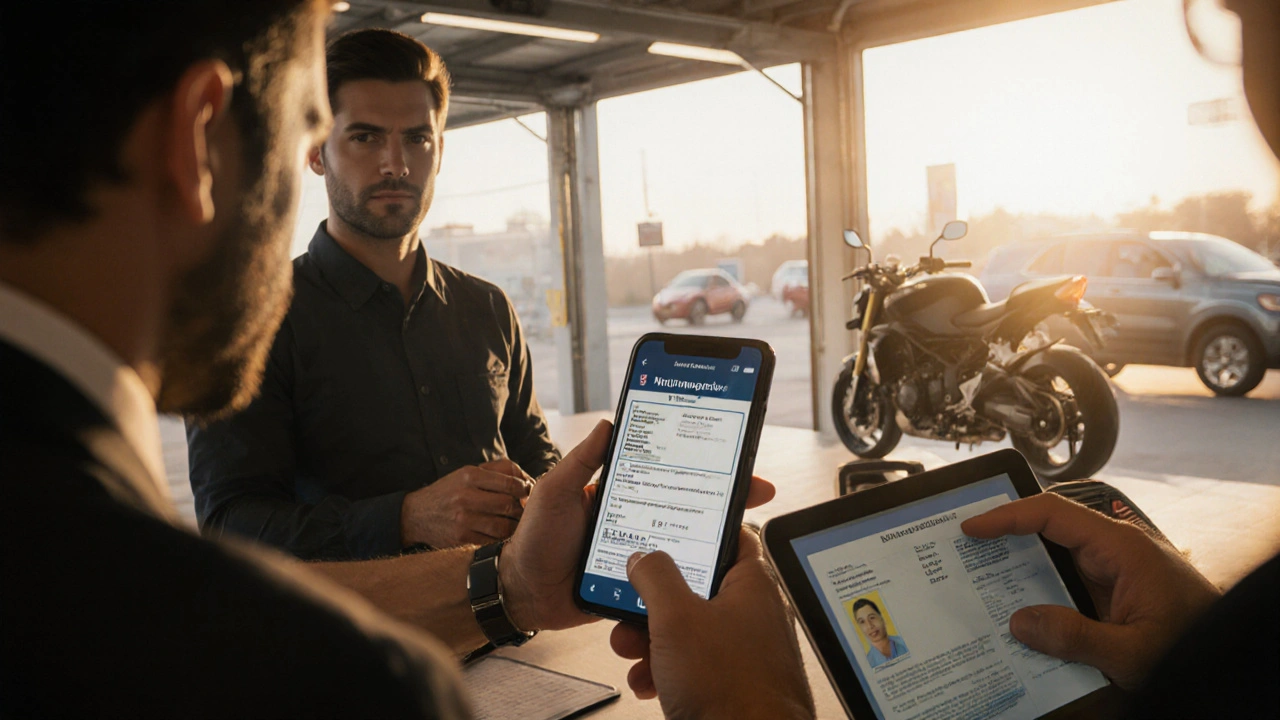
Learn exactly when and how motorcycle insurance becomes active at purchase, what proof dealers require, and how to avoid fines or delays when buying your bike.