Insurance Timing: When to Buy, Cancel, or Switch Car Insurance
When it comes to insurance timing, the precise moment you buy, cancel, or switch your car insurance policy. Also known as policy timing, it’s not just about saving money—it’s about staying protected when it counts. Miss the window by a day, and you could be driving uninsured. File a claim too late, and your insurer might deny it. Get your renewal date wrong, and you might pay double or lose discounts you worked for.
Car insurance, a legal requirement in most states that covers damage, liability, and sometimes medical costs. Also known as auto insurance, it’s not a one-time purchase—it’s a cycle of decisions that affect your wallet and safety. Many people think they can cancel right after paying for a six-month policy, but that’s a trap. Most insurers charge a cancellation fee, and if you don’t have new coverage lined up, you’re legally at risk. Others wait until their car is totaled to switch, only to find out their new policy won’t cover an accident that happened before the effective date.
Coverage gaps, the dangerous period when you have no insurance between policies. Also known as lapse in coverage, these happen more often than you’d think—after a car sale, after a policy ends, or after a move to a new state. One study by the Insurance Information Institute found that nearly 1 in 5 drivers in the U.S. have had a coverage gap in the last year. That’s not just risky—it can raise your rates for years. Insurers see gaps as a red flag, even if you weren’t driving. And if you get pulled over during a gap? You could face fines, license suspension, or even jail in some states.
Timing also matters when you file a claim. If you wait too long after an accident, your insurer might question the damage’s origin. Did it happen before you bought the policy? Did you drive through a flood without telling them? Insurance companies use timestamps—your policy start date, the accident report date, the repair invoice date—to connect the dots. If they don’t add up, your claim gets denied. That’s why people who keep detailed records, like maintenance logs and photos of damage, win more claims.
And don’t forget policy renewal, the automatic process that renews your coverage each term, often with a price hike. Also known as auto-renewal, it’s convenient—but dangerous if you don’t review it. Most insurers raise rates at renewal, especially if you had a claim, moved, or your credit score dropped. But if you shop around 30 days before renewal, you can often lock in a better rate. Some people wait until the last minute, panic, and just click "renew." That’s how you overpay.
Switching insurers isn’t a free-for-all either. If you cancel a policy early, you might owe a penalty. If you switch mid-term, your old insurer might refund unused premiums—but only if you provide proof of new coverage. And if you’re buying a new car? Insurance timing is even tighter. Dealerships won’t let you drive off the lot without proof of insurance. You need to have your policy active before you even sign the paperwork.
There’s no magic date for insurance timing, but there are smart windows. Buy or switch 30 days before your current policy ends. File claims within 72 hours of an incident. Never let coverage lapse, even for a day. And always confirm your new policy’s effective date in writing. These aren’t just tips—they’re rules that keep you legal, safe, and saving money.
Below, you’ll find real stories and guides from people who’ve been there—how they avoided costly mistakes, what they learned after a denied claim, and the exact steps they took to save hundreds on their premiums. No fluff. Just what works.
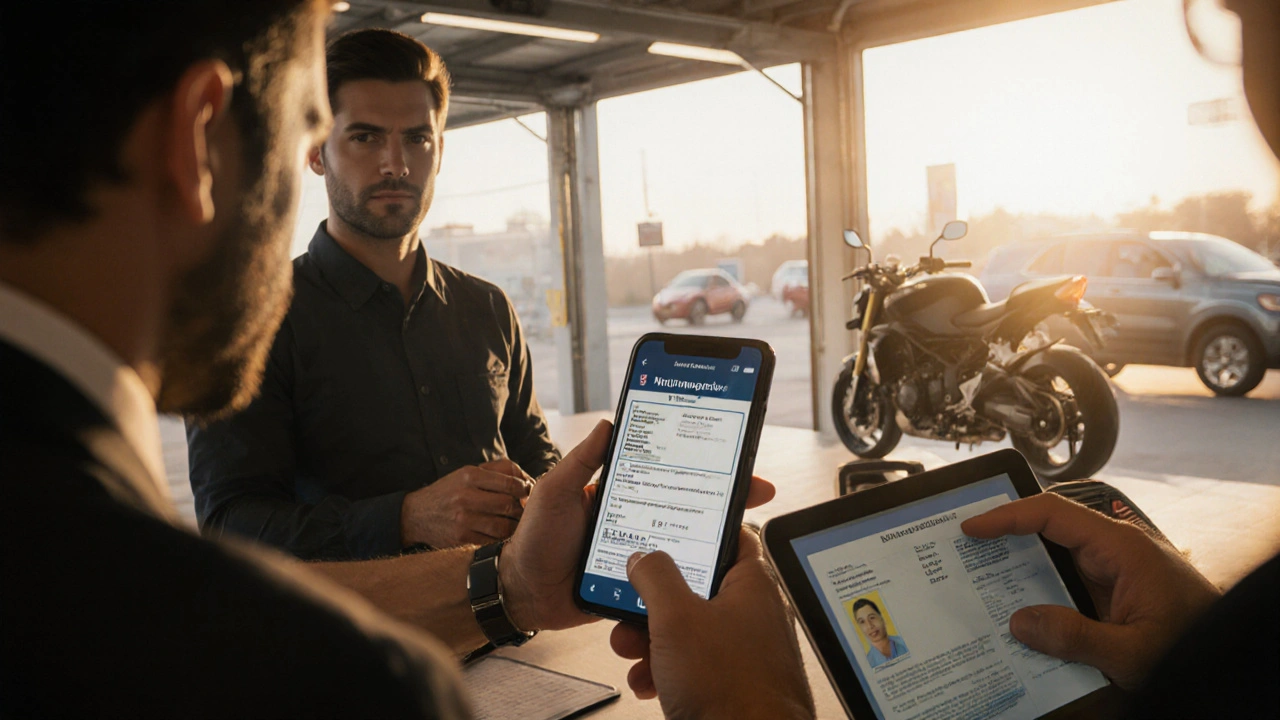
Motorcycle Insurance Binding at Purchase: Proof and Timing
- 11 Comments
- Nov, 16 2025
Learn exactly when and how motorcycle insurance becomes active at purchase, what proof dealers require, and how to avoid fines or delays when buying your bike.