Motorcycle Insurance: Coverage, Costs, and What Really Matters
When you ride a motorcycle, a two-wheeled vehicle designed for open-road riding, often used for commuting, recreation, or long-distance touring. Also known as a bike, it offers freedom but comes with higher risk than cars. That’s why motorcycle insurance, a specialized policy covering liability, damage, theft, and medical costs for riders and passengers isn’t just a suggestion—it’s a necessity in most states. Unlike car insurance, it doesn’t just protect your wallet; it protects your body. A single accident without coverage can cost tens of thousands, and many riders don’t realize how little standard policies actually cover.
Most basic policies include liability coverage, which pays for damage or injuries you cause to others. But that’s just the start. motorcycle insurance coverage, the full range of protections available to riders, including collision, comprehensive, uninsured motorist, and medical payments can be layered in. Collision covers your bike if you hit something. Comprehensive handles theft, fire, or damage from animals or weather—like hail or flood. Medical payments? That’s critical. Emergency room bills after a crash don’t wait for your claim to be approved. And don’t forget motorcycle travel insurance, a separate type of protection for riders on extended trips, covering trip cancellations, emergency medical evacuation, and lost gear. It’s not part of your standard policy, but if you’re planning a cross-country ride, skipping it is like driving without a spare tire.
Costs vary wildly. A new rider on a 600cc sport bike might pay $800 a year. A seasoned rider on a cruiser might pay $300. Why? Age, experience, location, and even your credit score all play a role. But here’s what most people miss: your coverage limits matter more than your premium. Going cheap on medical coverage means you’re gambling with your health. And if you’ve upgraded your bike with custom parts, standard policies won’t cover them—you need special endorsements. Also, some riders assume their homeowner’s insurance covers stolen gear. It doesn’t. Not unless you specifically add it.
And while you’re thinking about protection, remember that motorcycle recalls, official notices from manufacturers about safety defects that require free repairs are common. A faulty brake line, a loose chain tensioner, or a battery that overheats can turn a safe ride into a tragedy. Insurance won’t fix a recall issue, but knowing your bike’s recall history helps you avoid preventable risks. Check your VIN on the NHTSA site every six months. It takes two minutes. Could save your life.
What you’ll find below isn’t a list of policy names or company ads. It’s real-world advice from riders who’ve been there—how to choose coverage that actually protects you, what to watch out for in fine print, how travel insurance fills the gaps, and why a recall notice should be treated like a warning light. These aren’t theory pieces. They’re the kind of guides you wish you’d read before your first claim.
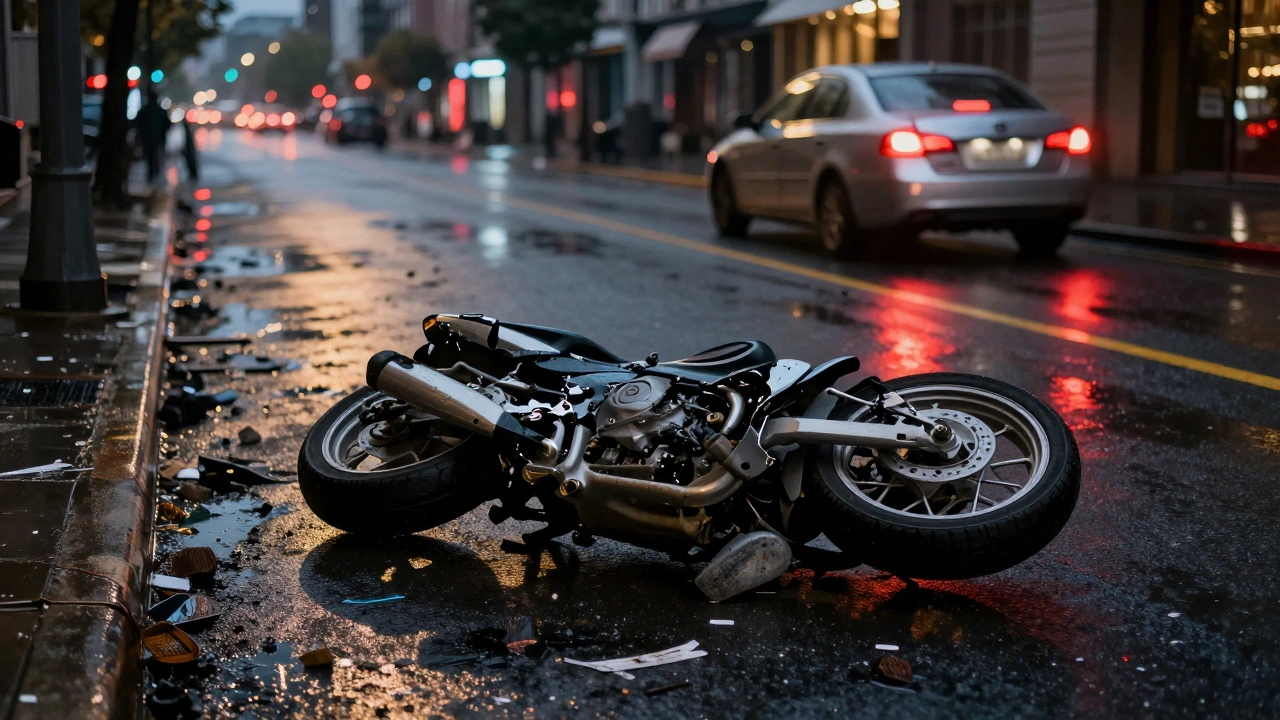
Uninsured Motorist Property Damage for Motorcycles: Do You Need It?
- 13 Comments
- Dec, 3 2025
Uninsured motorist property damage protects your motorcycle if hit by an uninsured driver. Learn how it works, how much it costs, and why it's a must-have for riders-even in states where it's not required.
Motorcycle Insurance Binding at Purchase: Proof and Timing
- 11 Comments
- Nov, 16 2025
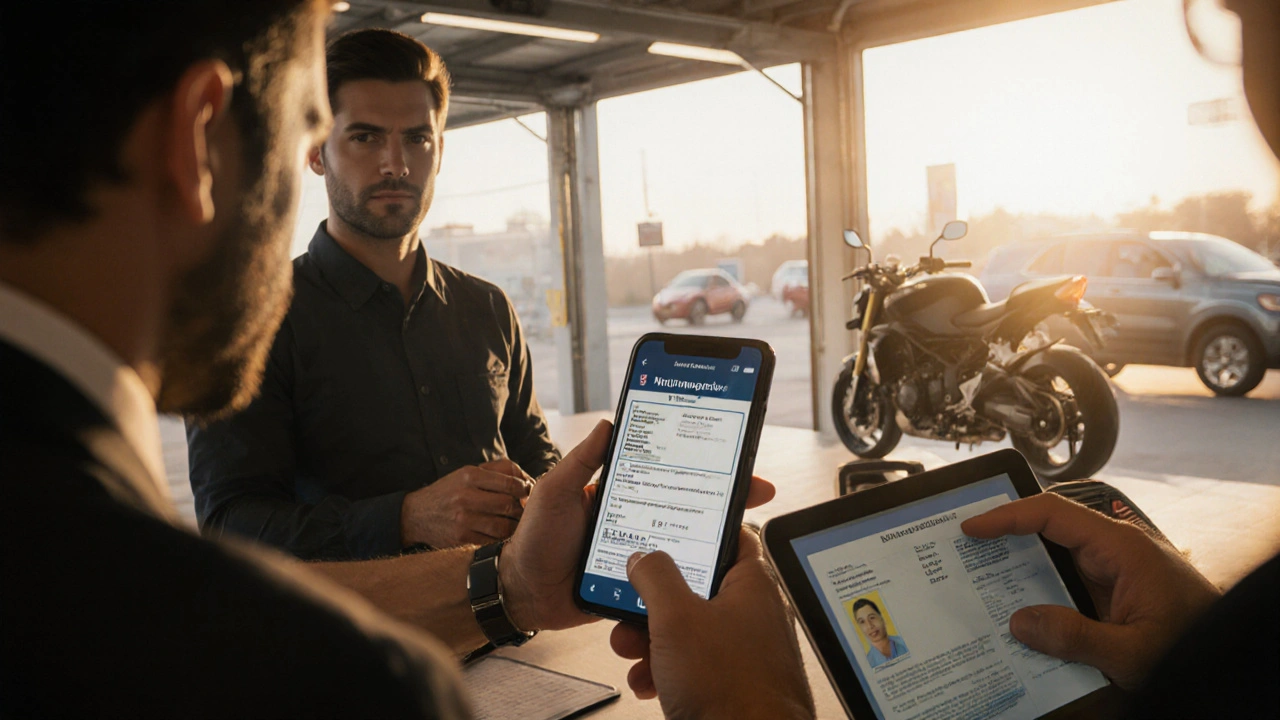
Learn exactly when and how motorcycle insurance becomes active at purchase, what proof dealers require, and how to avoid fines or delays when buying your bike.