Overlanding: Gear, Vehicles, and Tips for Off-Road Adventures
When you hear overlanding, a form of self-reliant, long-distance travel through remote areas using a modified vehicle. Also known as adventure touring, it’s not just about driving on dirt roads—it’s about sleeping under the stars, fixing your own gear, and reaching places where GPS doesn’t work. Unlike off-roading, which is about technical trails and short excursions, overlanding is a journey. It’s the difference between a weekend trail run and a three-week trip from Alaska to Patagonia with your whole life in the back of your truck.
You don’t need a $100,000 Land Cruiser to start. Many overlanders begin with a used 4x4, a vehicle with four-wheel drive, high ground clearance, and durable suspension built for rough terrain. Also known as off-road vehicle, it’s the backbone of any serious trip. Think Toyota 4Runner, Ford Ranger, or even a well-prepped Jeep Wrangler. What matters more than the brand is what’s under the hood and in the bed: roof racks, extra fuel, recovery gear, and a reliable fridge. You’ll see these same setups in posts about overlanding gear, the essential equipment that keeps you safe, fed, and mobile far from civilization. Also known as adventure vehicle accessories, it includes things like solar panels, water filters, and tire repair kits. One post talks about motorcycle road trip packing lists—same idea. Just swap the bike for a truck and add more storage.
People who overland don’t just show up with a tent and hope. They plan for breakdowns, weather, and isolation. That’s why maintenance records matter—you can’t afford a transmission failure in the middle of the Mojave. And why insurance claims knowledge helps—if your rig gets damaged on a remote trail, you need to know how to document it fast. Even things like telematics and vehicle data privacy come into play. Some overlanders use GPS trackers to share their location with family, but they also lock down data to avoid being tracked by strangers. It’s not magic. It’s preparation.
You’ll find posts here that cover everything from fuel economy tricks for heavy rigs to how to secure your gear against theft. There’s advice on choosing between two-row and three-row SUVs for family trips, and how to calculate the real cost of owning a vehicle that spends half its life on gravel. You won’t find fancy marketing fluff. Just real talk from people who’ve slept in their trucks during monsoon season and fixed a broken axle with duct tape and a wrench.
Whether you’re planning your first weekend trip or dreaming of crossing continents, the tools, tips, and lessons here are built for people who want to go farther—safely, smartly, and without breaking the bank.
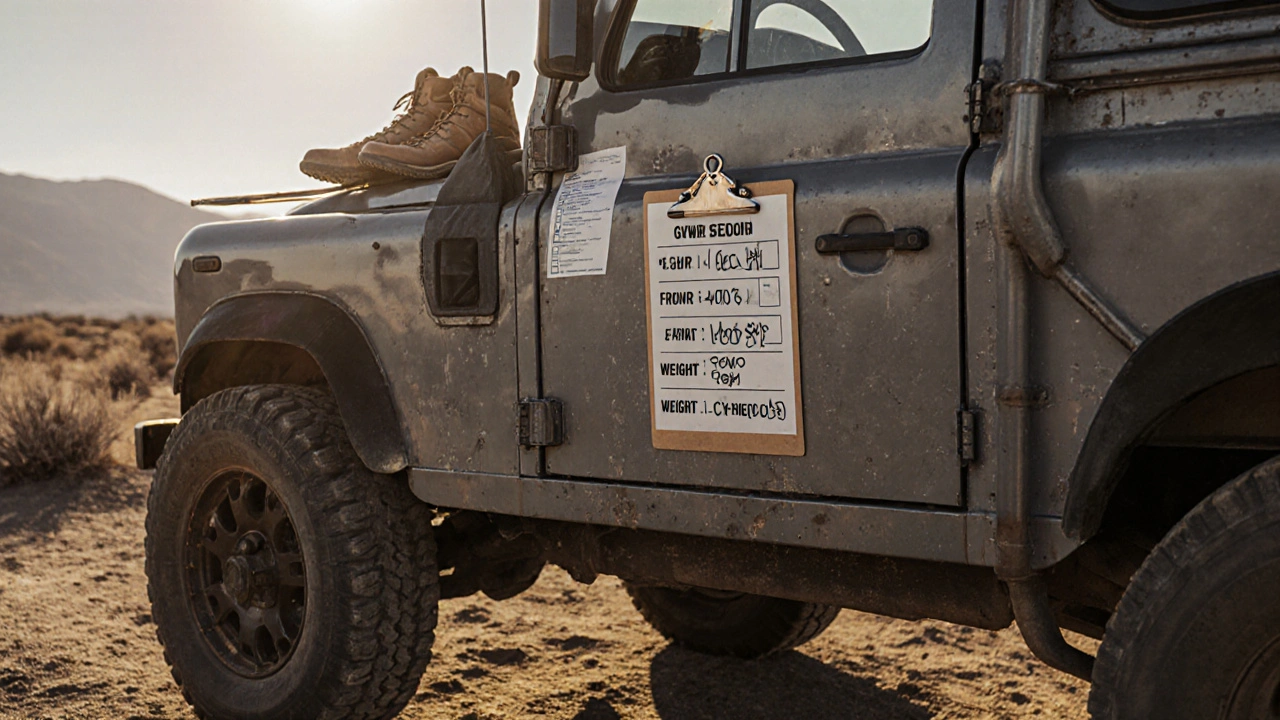
Vehicle Weight and Payload Management for Overlanding: How to Stay Safe and Efficient on the Trail
- 13 Comments
- Nov, 21 2025
Learn how to safely manage vehicle weight and payload for overlanding. Avoid dangerous overload, improve handling, and keep your rig reliable on rough terrain with practical tips and real-world examples.