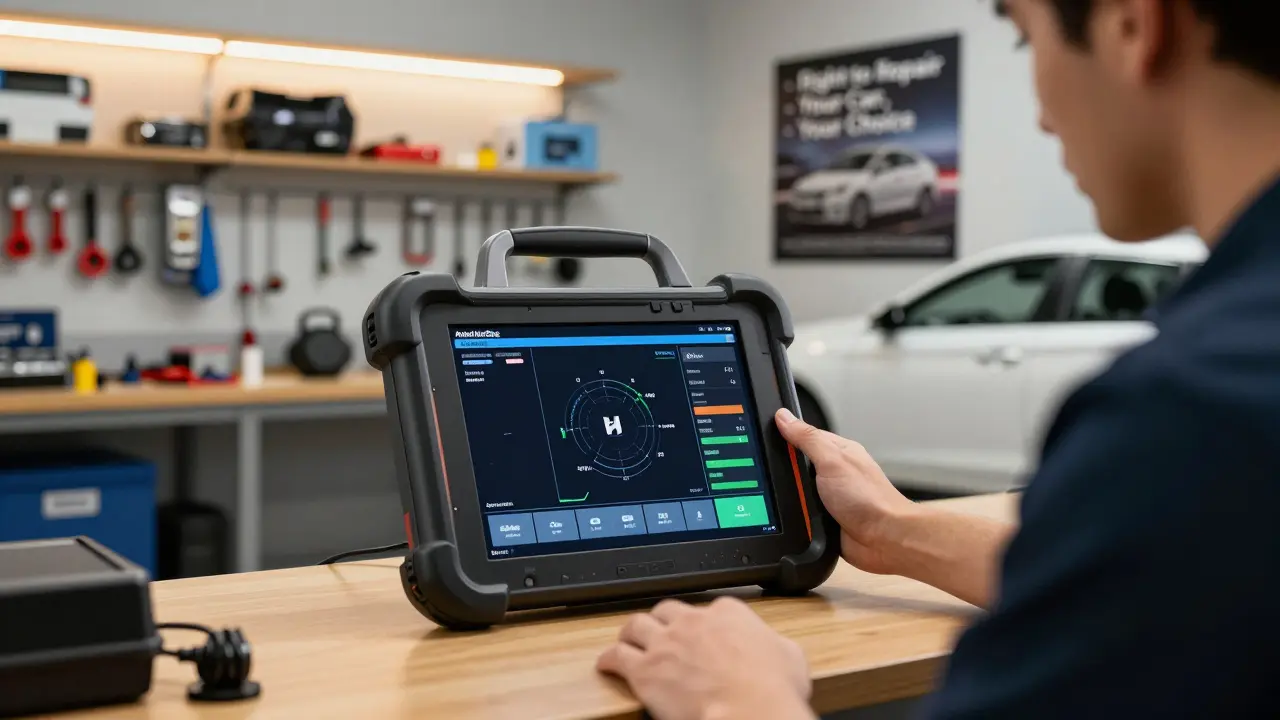
Payload Management: How to Optimize Cargo Weight and Vehicle Load for Safety and Efficiency
When you load your vehicle, you're not just stacking boxes or hauling gear—you're managing payload management, the practice of balancing how much weight a vehicle carries with its design limits to ensure safety, performance, and longevity. Also known as vehicle load management, it’s not just about not overloading your truck—it’s about knowing exactly how much weight you can carry without hurting your brakes, suspension, or fuel economy. Many people think payload is just the stuff in the bed, but it includes passengers, fuel, tools, roof racks, and even aftermarket parts. Every extra pound adds up, and ignoring it can lead to longer stopping distances, overheated engines, or even tire blowouts.
Good payload management, the practice of balancing how much weight a vehicle carries with its design limits to ensure safety, performance, and longevity. Also known as vehicle load management, it’s not just about not overloading your truck—it’s about knowing exactly how much weight you can carry without hurting your brakes, suspension, or fuel economy. isn’t guesswork. It’s tied directly to your vehicle’s Gross Vehicle Weight Rating (GVWR) and curb weight. Subtract the curb weight from the GVWR, and you get your max payload. For example, if your SUV has a GVWR of 5,500 lbs and weighs 4,200 lbs empty, you only have 1,300 lbs to work with for people, luggage, and gear. That’s less than you think. And if you’re towing, that payload number shrinks even more because trailer weight pulls from the same pool. towing capacity, the maximum weight a vehicle can safely pull behind it, determined by engine power, transmission, axle strength, and braking system. Also known as trailering capacity, it’s a separate number from payload but directly affects how you load your vehicle. Mixing up these numbers is how people end up with sagging rear ends or brake fade on highways.
Real-world vehicle load, the total weight carried by a vehicle including passengers, cargo, fuel, and accessories. Also known as gross vehicle weight, it’s the sum of everything on or in the vehicle at any given time. matters whether you’re hauling tools for work, gear for a weekend trip, or groceries for the family. A full-size pickup might handle 2,000 lbs in the bed, but if you’ve got four adults and a full tank of gas, you’re already at 1,000 lbs before adding anything else. That’s why fleet managers track payload data using telematics, a system that uses GPS and sensors to monitor vehicle performance, location, and load conditions in real time. Also known as fleet tracking, it helps companies avoid overloading and reduce maintenance costs.. For everyday drivers, it’s simpler: weigh your vehicle at a truck scale, check your owner’s manual, and don’t assume your truck can handle what your neighbor’s can. Overloading doesn’t just risk your safety—it can void your warranty, as maintenance records often show improper use. The posts below show you how to calculate real-world load limits, avoid common mistakes with SUVs and trucks, and use tools like bed liners and weight-distributing hitches to make your payload work for you—not against you.
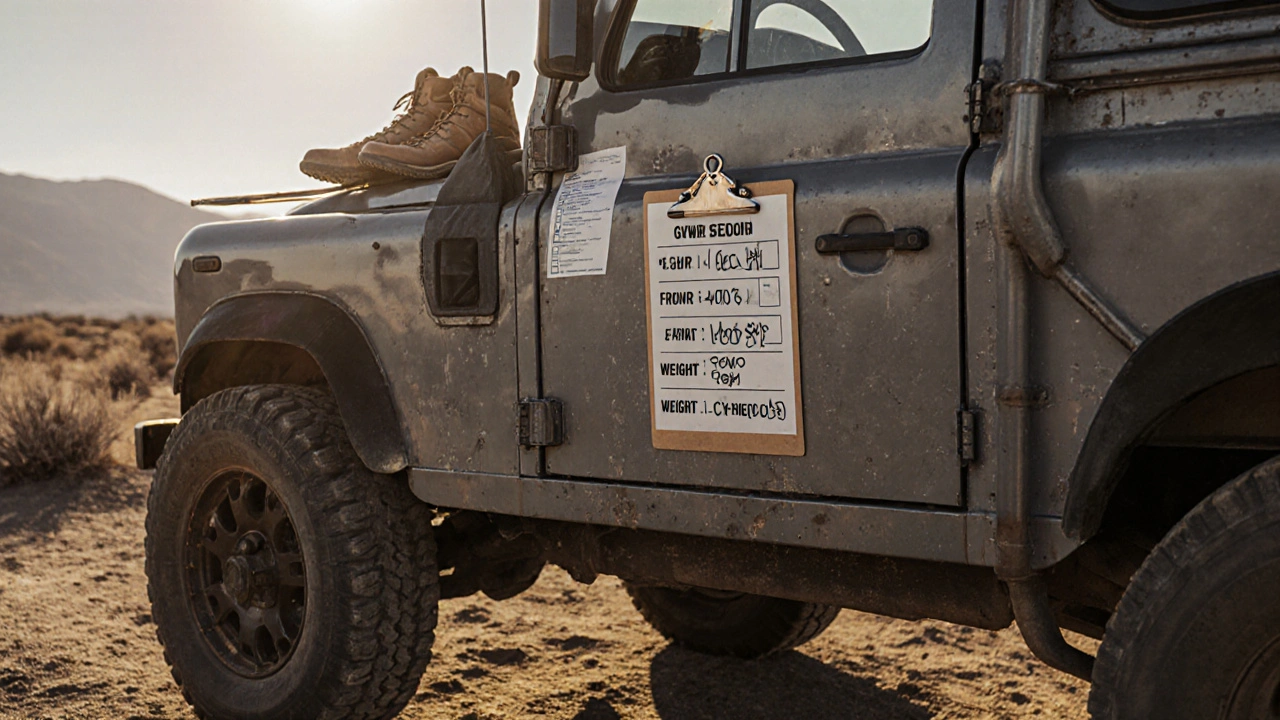
Vehicle Weight and Payload Management for Overlanding: How to Stay Safe and Efficient on the Trail
- 13 Comments
- Nov, 21 2025
Learn how to safely manage vehicle weight and payload for overlanding. Avoid dangerous overload, improve handling, and keep your rig reliable on rough terrain with practical tips and real-world examples.