Reliable Used Cars: How to Find One That Won’t Break the Bank
When you’re looking for a reliable used cars, vehicles that offer consistent performance, low repair rates, and long-term value without the premium price of new models. Also known as dependable pre-owned vehicles, these cars save you money on depreciation, insurance, and taxes—while still getting you where you need to go without constant trips to the mechanic. The trick isn’t just finding any used car. It’s finding one that’s built to last, maintained properly, and priced right for your budget.
Not all used cars are created equal. Some models, like the Honda Civic, Toyota Corolla, and Mazda3, show up again and again in owner surveys for low repair costs and high mileage endurance. These aren’t lucky outliers—they’re designed with simplicity, durable parts, and easy access for service. On the flip side, cars with complex electronics, turbocharged engines, or niche brands often cost more to fix over time. That’s why checking used car cost of ownership, the total expense of owning a vehicle beyond its purchase price, including fuel, insurance, repairs, and maintenance matters more than the sticker price. A $8,000 car that needs $3,000 in repairs in two years isn’t a deal. A $12,000 car that runs trouble-free for five years? That’s the real win.
And it’s not just about the car. used car maintenance, regular service habits that prevent major failures and extend vehicle life plays a huge role. Cars with full service records are far more likely to be reliable. If the previous owner skipped oil changes or ignored warning lights, even the best-made car can fail early. That’s why checking maintenance history isn’t optional—it’s your first line of defense. You also need to know what to look for during a test drive: unusual noises, warning lights, or a transmission that hesitates. These aren’t just red flags—they’re signs of deeper issues that can cost you thousands later.
Then there’s the hidden stuff: insurance rates, fuel efficiency, and parts availability. Some used cars cost more to insure because they’re stolen often or have expensive repair parts. Others sip gas, which adds up over time. And if you live in a rural area, you’ll want a car with common parts—something a local mechanic can fix without ordering a part from overseas. That’s why used car buying tips, practical steps and checks that help you avoid costly mistakes when purchasing a pre-owned vehicle aren’t just advice—they’re survival skills.
What you’ll find below isn’t a list of top 10 models. It’s real-world insight from people who’ve been there: the guy who saved $15,000 by skipping a new car and sticking with a 2016 Toyota Camry, the woman who avoided a lemon by checking recall history before signing, the mechanic who shares the top three things he sees go wrong in high-mileage used cars. These aren’t theory pieces. They’re lessons from the road—written by owners, mechanics, and buyers who learned the hard way. Whether you’re buying your first car or upgrading your daily driver, this collection gives you the tools to make a smart choice—and keep it running for years.
Cars with the Best Resale Value by Brand and Model 2025
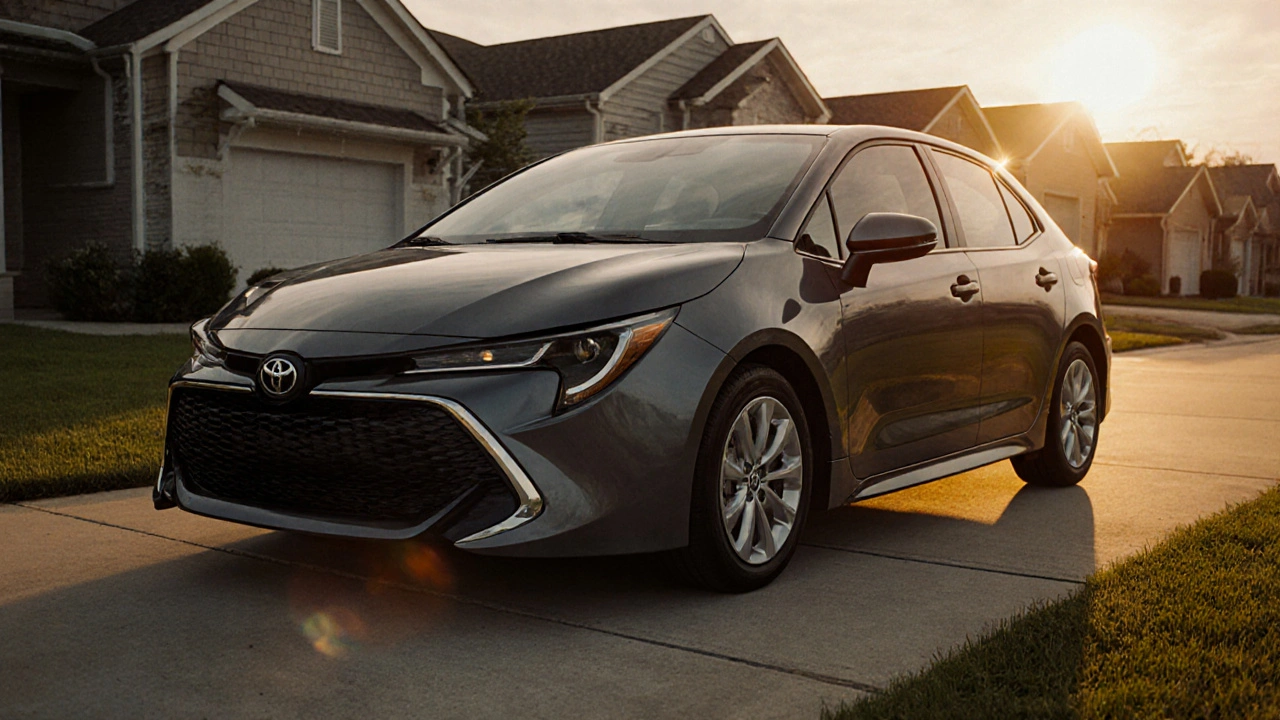
Discover which car brands and models hold their value best in 2025. Learn why Toyota, Honda, and Subaru lead in resale value-and what to avoid if you want to save money over time.