Service History: What It Is and Why It Matters for Your Car
When you buy a used car, the service history, a complete record of all maintenance and repairs performed on a vehicle over time. Also known as vehicle maintenance log, it’s the most honest report you’ll ever get about how a car has been treated. It’s not just a stack of receipts—it’s proof that someone cared enough to change the oil on time, replace worn brakes before they failed, and fix that weird noise before it turned into a $2,000 repair. A car with a full service history isn’t just a machine—it’s a well-documented life story.
Think of service history, a complete record of all maintenance and repairs performed on a vehicle over time. Also known as vehicle maintenance log, it’s the most honest report you’ll ever get about how a car has been treated. as your car’s medical record. Just like you wouldn’t trust a doctor who can’t show you past test results, you shouldn’t trust a car without one. A clean service history means fewer surprises down the road. It shows if the timing belt was replaced at 60,000 miles, if the transmission fluid was ever flushed, or if the car ever sat through a flood. Without it, you’re guessing. With it, you’re informed. And that’s the difference between a smart buy and a money pit.
Manufacturers, dealers, and independent shops all contribute to this record. Some use digital systems like vehicle service logs, digital or paper-based records tracking maintenance events, parts replaced, and service intervals for a vehicle, while others still rely on paper stamps in a manual. Either way, the goal is the same: to prove the car was maintained properly. A car with gaps in its service history might still be fine—but you’ll pay more for peace of mind, or worse, end up fixing problems that were ignored.
And it’s not just for buyers. If you own a car and plan to sell it later, keeping your own service history is one of the best things you can do. Studies show cars with complete records sell for 5% to 10% more than similar models without them. It’s not magic—it’s trust. Buyers see a pattern of care and assume the rest of the car is in good shape. That’s why mechanics and dealers always ask for it first. They know what the numbers mean: regular oil changes extend engine life, timely brake replacements prevent rotor damage, and fluid flushes keep transmissions running smoothly for 200,000 miles or more.
What you’ll find in this collection are real-world guides on how to build, track, and use your car’s service history. You’ll learn how to read a service record like a pro, what to do if you lost yours, how to spot fake logs, and why some repairs are worth documenting—and others aren’t. Whether you’re buying a used car, selling yours, or just trying to keep your own ride running longer, the right service history turns guesswork into confidence.
How Maintenance Records Support Warranty Approval
- 12 Comments
- Nov, 12 2025
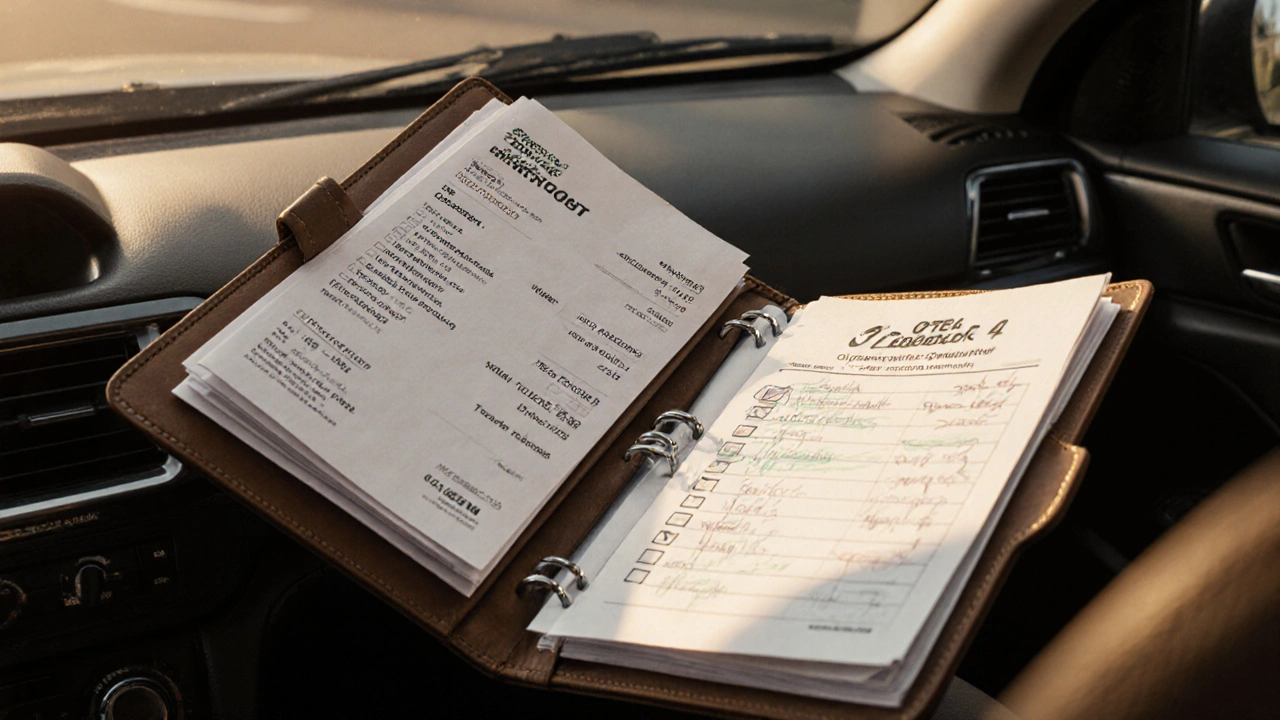
Maintenance records are essential for getting your car warranty approved. Without proof of regular service, even valid claims get denied. Learn what records to keep, how to organize them, and how to avoid common mistakes that void your warranty.