SUV Seating: Comfort, Capacity, and What Really Matters
When you think about SUV seating, the arrangement of seats in a sport utility vehicle designed to carry passengers comfortably and safely. Also known as passenger layout, it's not just about how many seats a vehicle has—it's about how those seats actually work for your life. A five-seater SUV might look similar to a seven-seater on paper, but the difference shows up when you're loading kids, groceries, or gear after a long day.
Third-row seating, an additional row of seats behind the second row, typically found in larger SUVs is often the deciding factor for families. But here’s the truth: many third rows are cramped, hard to get into, and useless for adults. You don’t need a third row unless you regularly carry more than five people. And if you do, check how easy it is to fold, how much legroom it offers, and whether the seatbelts are easy to reach. Some SUVs make you crawl over the second row just to get in—bad design, not a feature.
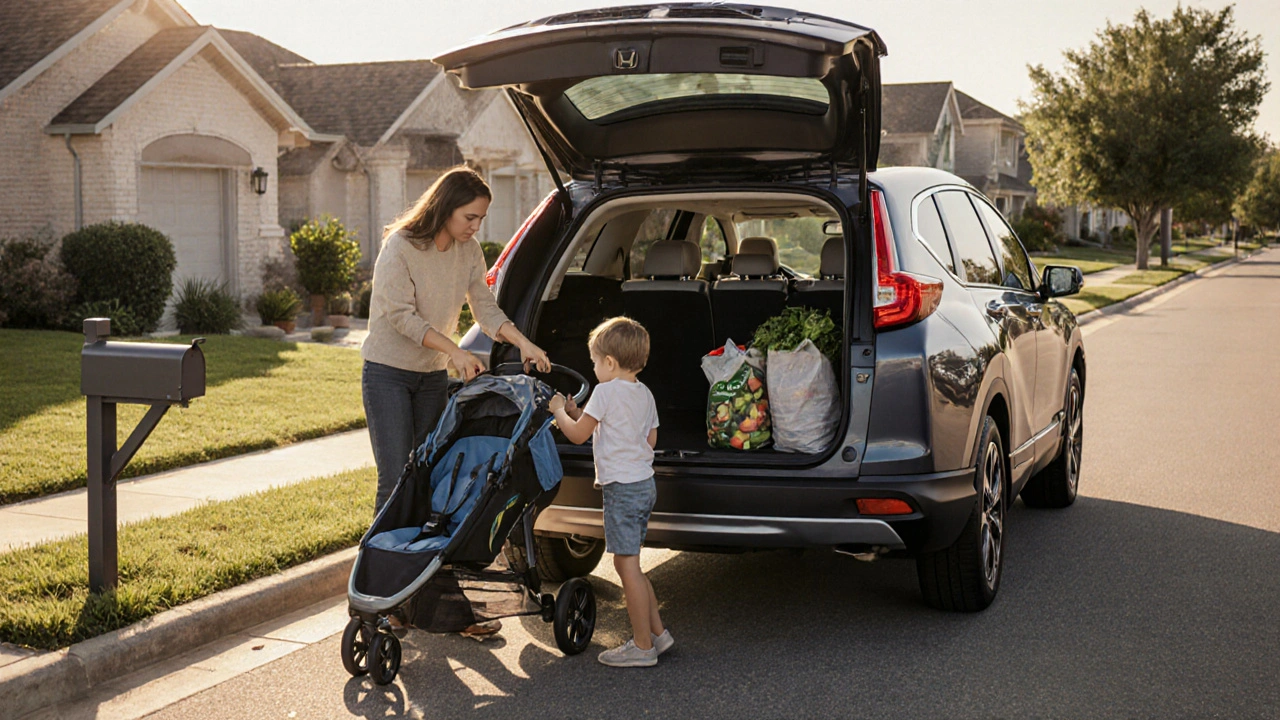
SUV cargo space, the available storage area behind the last row of seats, critical for hauling gear, strollers, or luggage changes dramatically based on seating configuration. Fold down the third row? You might gain 40 cubic feet. Fold the second row too? That’s over 70. But if the seats don’t lay flat or the floor is too high, you’re wasting space. Look for low load heights, tie-down points, and hidden compartments. Real-world cargo isn’t just boxes—it’s bikes, strollers, coolers, and dog crates.
What makes SUV seating work isn’t the number of seats—it’s how they adapt. Are the second-row seats easy to slide forward for legroom? Do they recline enough for long drives? Can you install child seats without fighting the seatbelt anchors? These details matter more than marketing claims. A 2025 Honda HR-V might have fewer seats than a Ford Expedition, but its interior is designed for real use: easy access, good visibility, and seats that don’t feel like airplane economy class.
And don’t forget comfort. Cushion firmness, headrest positioning, and seat height all affect how tired you get on a drive. Some SUVs have seats that feel like they were designed by engineers who’ve never sat in them. Others, like the Toyota Highlander, have seats that feel like they were made for humans. Test them. Sit in them for 10 minutes. Bring your kids. Try to buckle a car seat. See how the sun hits the windows. Real SUV seating isn’t about specs on a website—it’s about what happens when you actually live with it.
Whether you’re hauling soccer teams, camping gear, or just running errands with the family, SUV seating needs to be flexible, functional, and forgiving. The best SUVs don’t just fit more people—they make it easier to get in, get out, and get on with your day. Below, you’ll find real reviews and comparisons that cut through the hype and show you exactly which SUVs deliver on what matters most.
Two-Row vs. Three-Row SUVs: Which One Fits Your Seating and Cargo Needs?
- 10 Comments
- Nov, 19 2025
Choosing between a two-row and three-row SUV comes down to real-life seating needs and cargo space. Learn the tradeoffs in cost, comfort, and practicality to pick the right one for your family.