Three-Row SUV: What You Need to Know Before You Buy
When you need room for more than just the driver and two passengers, a three-row SUV, a vehicle designed with seating for seven or eight people, often used by families or groups needing extra space. Also known as seven-seater SUV, it’s the go-to choice for parents, road-trippers, and anyone who hates squeezing into the backseat. But not all three-row SUVs are built the same. Some sacrifice cargo space for extra seats. Others make the third row feel like a storage bin. And a few are so heavy on fuel that they cost more to run than they save in comfort.
What makes a good three-row SUV? It’s not just about how many seats it has. It’s about seating capacity, the number of passengers the vehicle can safely carry, including legroom and access to the third row—can adults actually sit there without curling up? It’s about cargo space, the usable storage area behind the third row and when seats are folded—can you fit strollers, gear, or groceries without emptying the whole cabin? And it’s about SUV reliability, how consistently a vehicle performs over time with minimal repairs, especially important for families relying on it daily. You don’t want to be stranded because the third-row seat won’t fold or the transmission starts acting up at 60,000 miles.
Real families don’t care about flashy trim levels. They care about whether the third row is easy to get into, if the windows roll down far enough for kids, if the seats have LATCH anchors, and if the fuel economy doesn’t make them flinch every time they fill up. That’s why the best three-row SUVs aren’t the most expensive ones—they’re the ones that just work. Toyota Highlander, Honda Pilot, Kia Telluride—they all show up in owner surveys for a reason. They don’t promise magic. They just deliver consistent space, solid safety, and fewer headaches.
And if you’re shopping used? Make sure you check maintenance records. A three-row SUV with 80,000 miles and no service history is a gamble. These vehicles carry heavy loads, often in hot or cold climates, and their transmissions and cooling systems take a beating. Skipping oil changes or ignoring coolant leaks can cost you thousands down the road.
Below, you’ll find real advice from people who’ve been there—whether it’s choosing between a midsize SUV and a full-size one, figuring out which models hold their value, or learning how to spot a hidden problem before you sign the papers. No fluff. No hype. Just what actually matters when you’re hauling kids, gear, and life on four wheels.
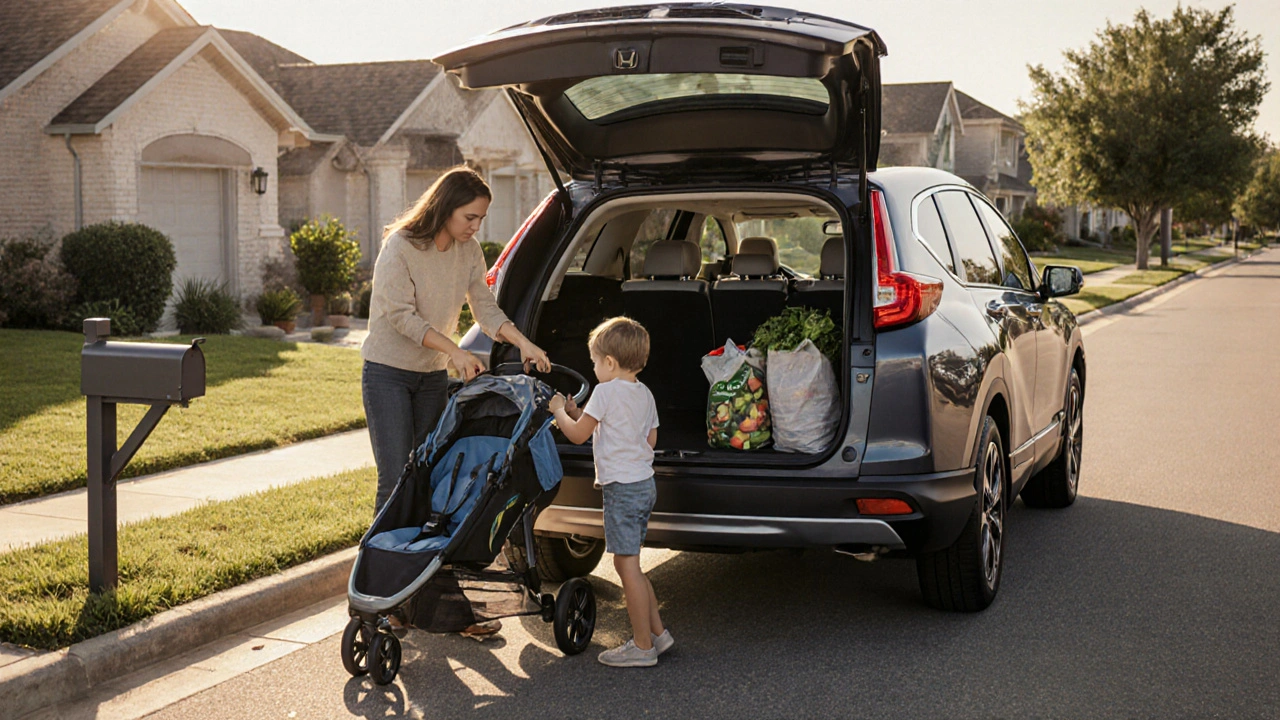
Two-Row vs. Three-Row SUVs: Which One Fits Your Seating and Cargo Needs?
- 10 Comments
- Nov, 19 2025
Choosing between a two-row and three-row SUV comes down to real-life seating needs and cargo space. Learn the tradeoffs in cost, comfort, and practicality to pick the right one for your family.