Two-Row SUV: What They Are, Who They're For, and What to Look For
When you need more room than a sedan but don’t want to deal with the size and cost of a full-size SUV, a two-row SUV, a vehicle designed with seating for up to five people across two rows, offering a balance of space, fuel efficiency, and maneuverability. Also known as a compact SUV, it’s the sweet spot for families, solo drivers who haul gear, and anyone who wants practicality without the gas guzzler tag. Unlike three-row SUVs that feel like mini-buses, two-row SUVs keep things tight, light, and easy to park. They’re not just smaller versions of big SUVs—they’re built differently, with smarter packaging, lighter frames, and engines tuned for daily use, not towing heavy trailers.
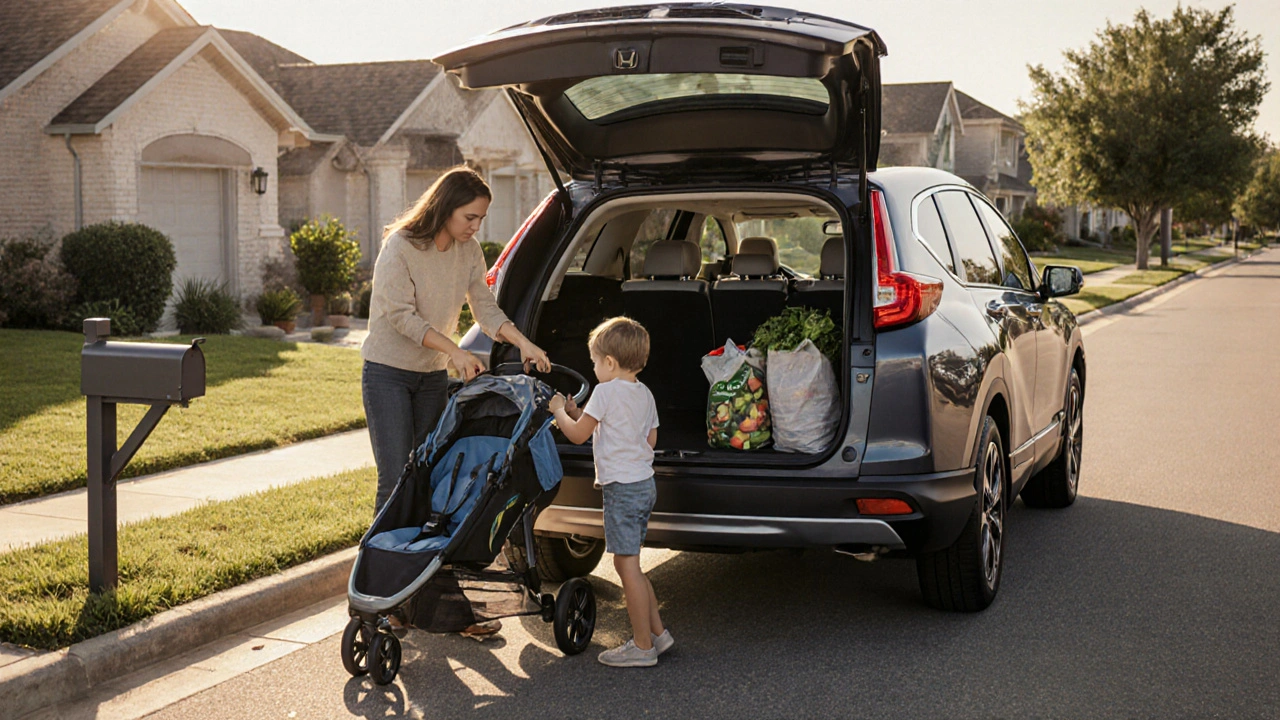
What makes a two-row SUV work isn’t just its size—it’s how it balances cargo space, the amount of usable storage behind the rear seats, often ranging from 25 to 30 cubic feet, and expanding to over 60 when seats are folded, fuel efficiency, typically 25 to 32 MPG combined, thanks to smaller engines and lighter weight compared to three-row models, and family SUV, a category defined by safety features, easy access for kids, and enough room for car seats, strollers, and sports gear. These aren’t luxury features—they’re daily necessities. A good two-row SUV lets you fit a stroller and a dog crate in the back without sacrificing visibility or handling. It’s why models like the Honda HR-V, Hyundai Kona, and Kia Seltos keep showing up on lists of best buys: they don’t try to be everything. They just do the basics really well.
You don’t need a third row to carry your life. A two-row SUV gives you enough room for weekend trips, school runs, and grocery hauls without the hassle of a giant vehicle. You’ll save on fuel, insurance, and parking fees. You’ll also get better acceleration and handling—because less weight means more responsiveness. And if you’re worried about space, most of these models have fold-flat seats that turn the cargo area into a flat, level floor. No more wrestling with a bulging trunk. Just drop the seats, slide in your bike, kayak, or pallet of pet food, and go.
What you’ll find in the posts below isn’t just a list of models. It’s real advice from people who’ve lived with these vehicles—their pros, their quirks, and the hidden costs most dealers won’t mention. You’ll learn how to calculate the real cost of ownership, what maintenance records actually matter for warranty claims, and how to spot a two-row SUV that holds its value over time. Whether you’re buying new or used, this collection cuts through the noise and gives you what you need to make a smart, confident choice.
Two-Row vs. Three-Row SUVs: Which One Fits Your Seating and Cargo Needs?
- 10 Comments
- Nov, 19 2025
Choosing between a two-row and three-row SUV comes down to real-life seating needs and cargo space. Learn the tradeoffs in cost, comfort, and practicality to pick the right one for your family.