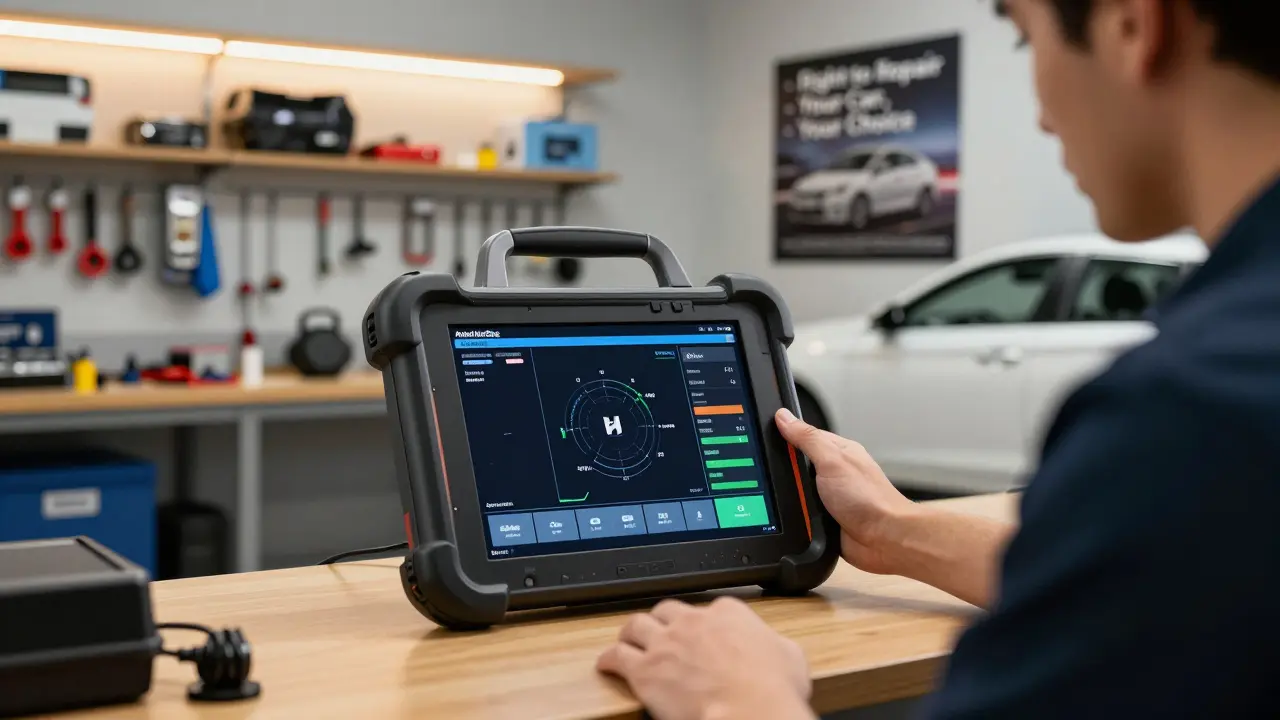
Warranty Approval: What You Need to Know Before You Claim
When your car breaks down and you think it’s covered by warranty approval, the process a manufacturer or dealer follows to confirm if a repair is covered under your vehicle’s warranty. Also known as warranty claim authorization, it’s the gatekeeper between you paying out of pocket and getting a free fix. Too many people assume their warranty covers everything—until they get a denial letter. Warranty approval isn’t about what you think should be covered. It’s about what the fine print says, how the issue was reported, and whether the repair shop followed the manufacturer’s rules.
Warranty approval ties directly to manufacturer warranty, the official guarantee provided by the carmaker that covers specific parts and repairs for a set time or mileage. If your transmission fails at 45,000 miles and you’re still within the 5-year/60,000-mile powertrain warranty, you’re in the clear—if you’ve kept up with scheduled maintenance. Skip an oil change? That’s a red flag. Manufacturers check service records before approving repairs. They also look at how the part failed. A cracked engine block from overheating due to low coolant? Not covered. A faulty gasket that failed without warning? That’s on them.
Then there’s warranty coverage, the specific list of parts and systems the warranty protects, like the engine, transmission, electrical system, or even the infotainment screen. Not all warranties are the same. A basic bumper-to-bumper warranty might cover your AC compressor, but an extended warranty might exclude it. And don’t forget auto repair warranty, the guarantee a shop gives on parts they install or labor they perform. If a mechanic replaces your alternator and it dies a month later, their repair warranty should cover it—even if your car’s manufacturer warranty doesn’t.
Warranty approval isn’t magic. It’s paperwork, timing, and knowing your rights. If you’re told your claim was denied, ask for the exact reason in writing. Was it lack of maintenance records? Improper repair history? Did the technician use non-OEM parts? These details matter. Some dealers try to push you toward paid repairs to avoid the hassle of approval—but you’re entitled to a fair review. Keep your service logs. Save every receipt. And if you’re unsure, call the manufacturer’s warranty hotline directly. They’ll tell you what’s covered, no sugarcoating.
Looking through the posts here, you’ll find real-world examples of what gets approved—and what doesn’t. From transmission failures covered under factory warranty to denied claims because of aftermarket parts, these stories show the patterns most drivers miss. You’ll also see how warranty approval connects to things like recall notices, vehicle data tracking, and even how maintenance habits affect your coverage. This isn’t theory. It’s what happens when people actually try to use their warranty. And if you’ve ever been stuck with a big repair bill you thought was covered, these posts will help you avoid it next time.
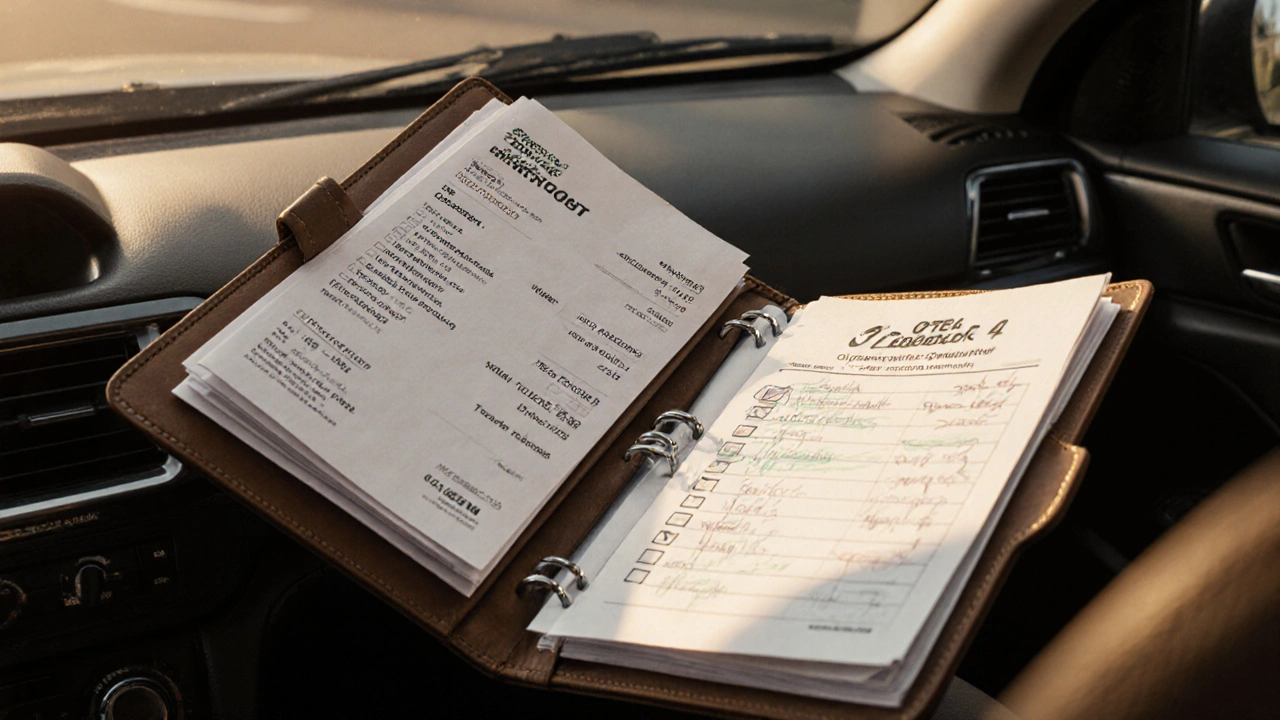
How Maintenance Records Support Warranty Approval
- 12 Comments
- Nov, 12 2025
Maintenance records are essential for getting your car warranty approved. Without proof of regular service, even valid claims get denied. Learn what records to keep, how to organize them, and how to avoid common mistakes that void your warranty.