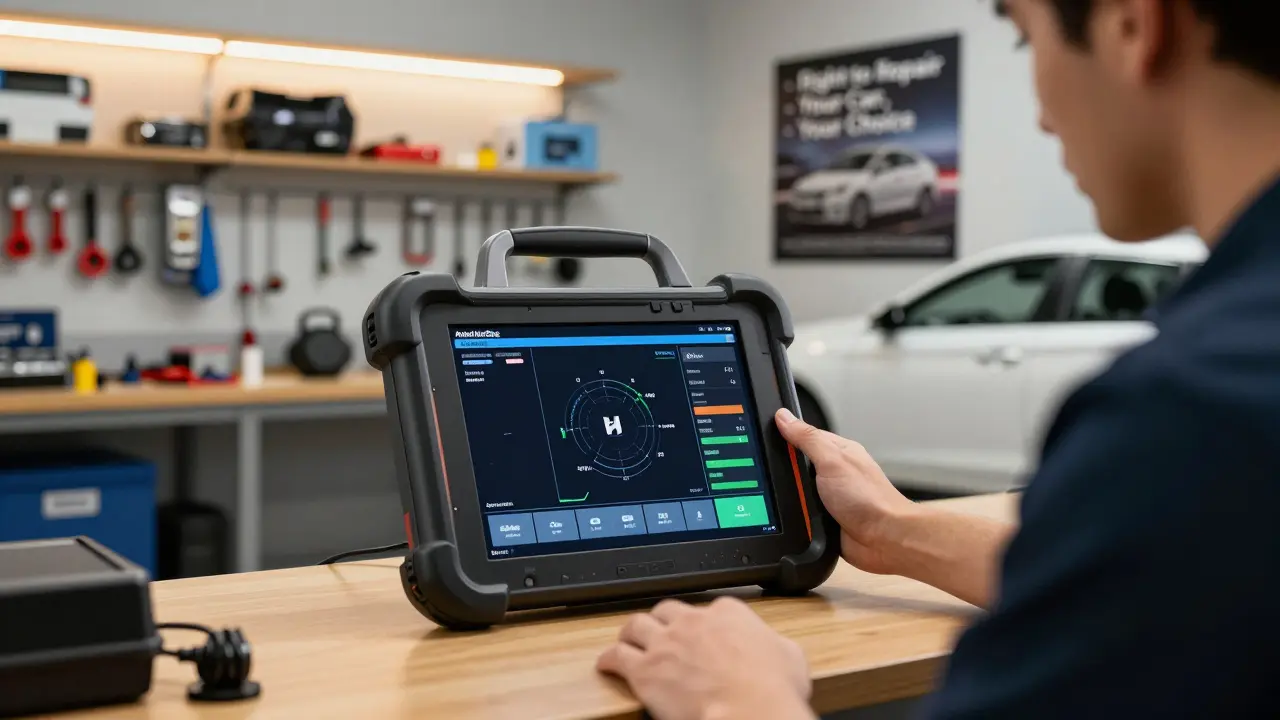
Warranty Claim: How to Get What You're Owed on Your Car
When your car breaks down and it’s still under warranty claim, a formal request to a manufacturer or dealer for free repairs covered under your vehicle’s protection plan. Also known as vehicle warranty repair, it’s your legal right — not a favor. Too many people think a warranty is just a piece of paper they signed, but it’s actually a binding contract. If your transmission fails at 45,000 miles and you’re still within the 5-year/60,000-mile bumper-to-bumper coverage, the manufacturer owes you a fix — no extra cost, no arguing, no tricks.
A car warranty, a guarantee from the automaker to cover certain repairs for a set time or mileage. Also known as new car warranty, it typically includes powertrain, corrosion, and emissions components. But not everything is covered. Wear items like brake pads, wiper blades, and tires are usually excluded. And if you used non-OEM parts or skipped scheduled maintenance, they might try to deny your claim. That’s why keeping service records matters. A single oil change receipt can make the difference between a free repair and a $2,000 bill.
Many people don’t realize that manufacturer warranty, the original protection plan provided by the automaker at time of purchase. Also known as factory warranty, it doesn’t expire just because you sold the car. If you bought a used car with remaining factory coverage, you’re still eligible. Same goes for extended warranties — if they’re transferable, the new owner gets the same rights. And here’s the kicker: federal law says warranty repairs must be done for free, no matter where you are in the U.S. You don’t have to go back to the original dealer. Any authorized service center can handle it.
Most warranty claim denials happen because people skip the steps. Don’t just call and complain. Document everything: take photos of the issue, write down when it started, keep all repair estimates, and get a written denial if they refuse. If they say it’s "normal wear," ask for the exact clause in the warranty manual that supports it. Most dealers don’t have it handy — and that’s your leverage.
There’s also a difference between a warranty claim and an insurance claim. Hail damage? That’s comprehensive insurance. A blown head gasket under factory coverage? That’s a warranty claim. Mixing them up wastes time. And if you’re ever unsure, check your owner’s manual or call the manufacturer’s customer service line — they’re required to answer.
What you’ll find below are real stories and practical guides from people who’ve navigated this exact situation. Some got their repairs done fast. Others fought for months. All of them learned how to speak the right language, ask the right questions, and push back when they were being misled. Whether you’re dealing with a transmission issue, a faulty sensor, or a recall that was never fixed — this collection gives you the tools to make sure you’re not left paying for what should be free.
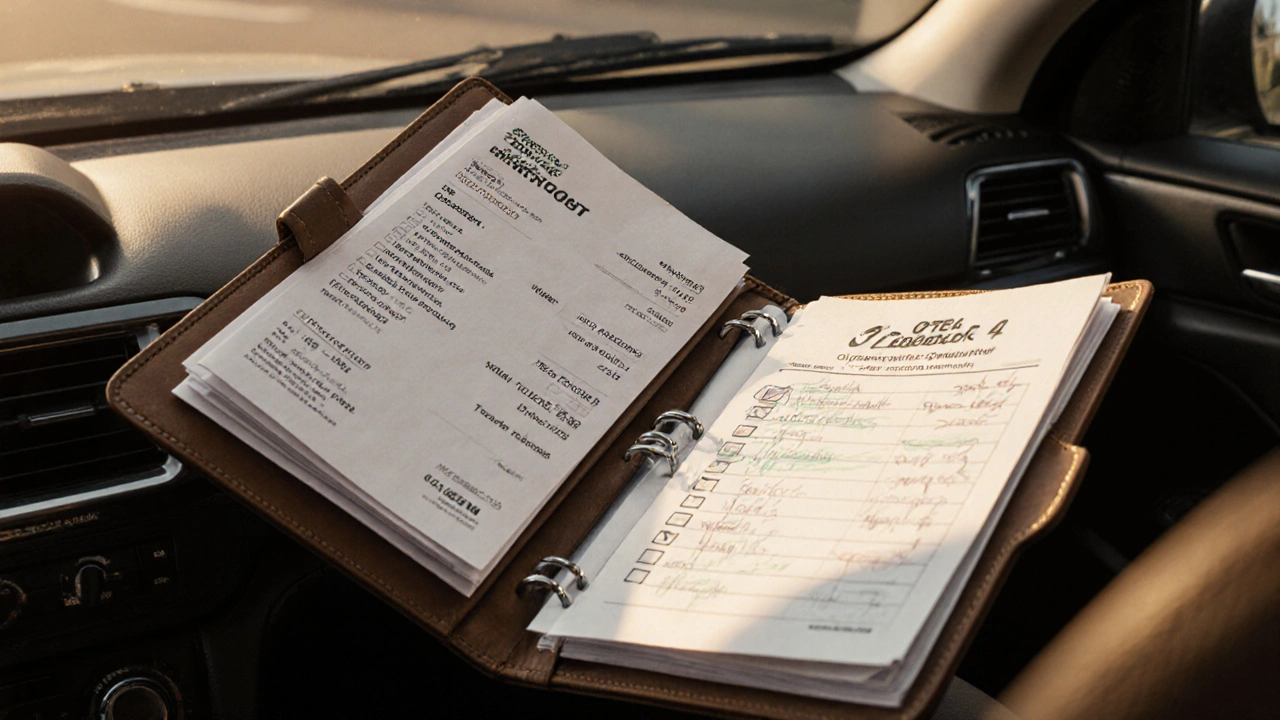
How Maintenance Records Support Warranty Approval
- 12 Comments
- Nov, 12 2025
Maintenance records are essential for getting your car warranty approved. Without proof of regular service, even valid claims get denied. Learn what records to keep, how to organize them, and how to avoid common mistakes that void your warranty.