Weight Distribution: How It Affects Handling, Safety, and Performance
When you think about how a car behaves on the road, you probably focus on engine power or tire grip. But the real secret lies in something less obvious: weight distribution, the way a vehicle’s mass is spread between its axles and sides. Also known as front-rear balance, it determines whether your car feels stable in a turn, whether it understeers in the rain, or if it suddenly snaps loose on a gravel road. It’s not just about how heavy the car is — it’s about where that weight sits.
Every car has a center of gravity, the point where the vehicle’s total weight is evenly balanced in all directions. A low center of gravity helps keep the car planted during hard cornering. A high one — like in a lifted truck or an SUV loaded with roof cargo — makes it more likely to roll. That’s why a sports car with a 50/50 front-to-rear weight split feels so neutral in a curve, while a front-heavy sedan might push wide when you turn too fast. Traction control, a system that prevents wheel spin by adjusting engine power and braking tries to compensate for bad weight distribution, but it can’t fix physics. If most of the weight is on the front wheels, the rear tires lose grip — no matter how good the tires are.
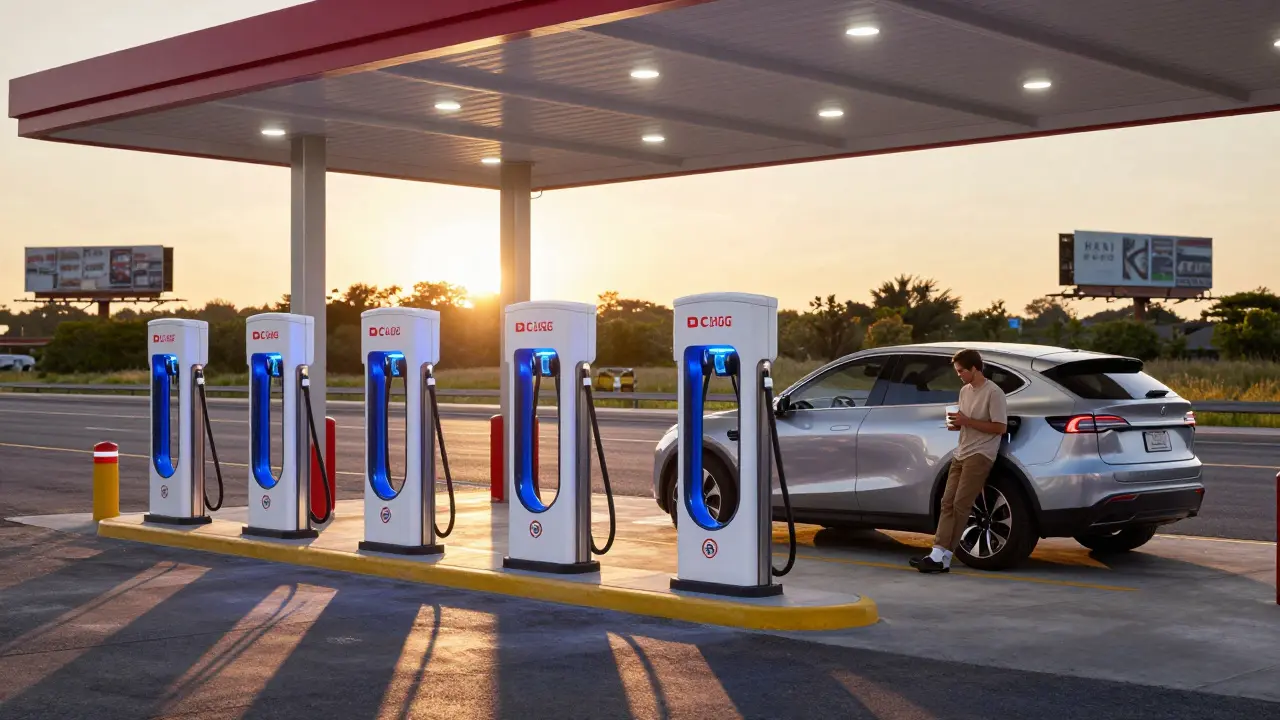
Weight distribution isn’t just about the car’s design. It changes every time you add passengers, luggage, or tow a trailer. A full tank of gas shifts weight slightly. A rooftop carrier raises the center of gravity. Even how you load your pickup bed affects how the front end feels when braking. That’s why race teams spend hours fine-tuning ballast placement — and why you should think about it too. If you drive in snow, know that too much weight in the back of a rear-wheel-drive car can help traction — but too much can make it dangerous on dry pavement. Electric vehicles have an edge here: batteries sit low in the floor, lowering the center of gravity and improving handling. But if you’ve ever driven an EV with a full cargo load, you’ve felt how the added weight changes the way it stops and turns.
Understanding weight distribution helps you make smarter choices — whether you’re buying a car, loading up for a road trip, or tuning your daily driver for better grip. It connects directly to things you already care about: how safely your car handles corners, how quickly it stops, and whether it feels planted or skittish in bad weather. Below, you’ll find real-world examples from posts that show how weight distribution affects everything from SUV stability to electric vehicle performance and even how traction control systems actually work behind the scenes.
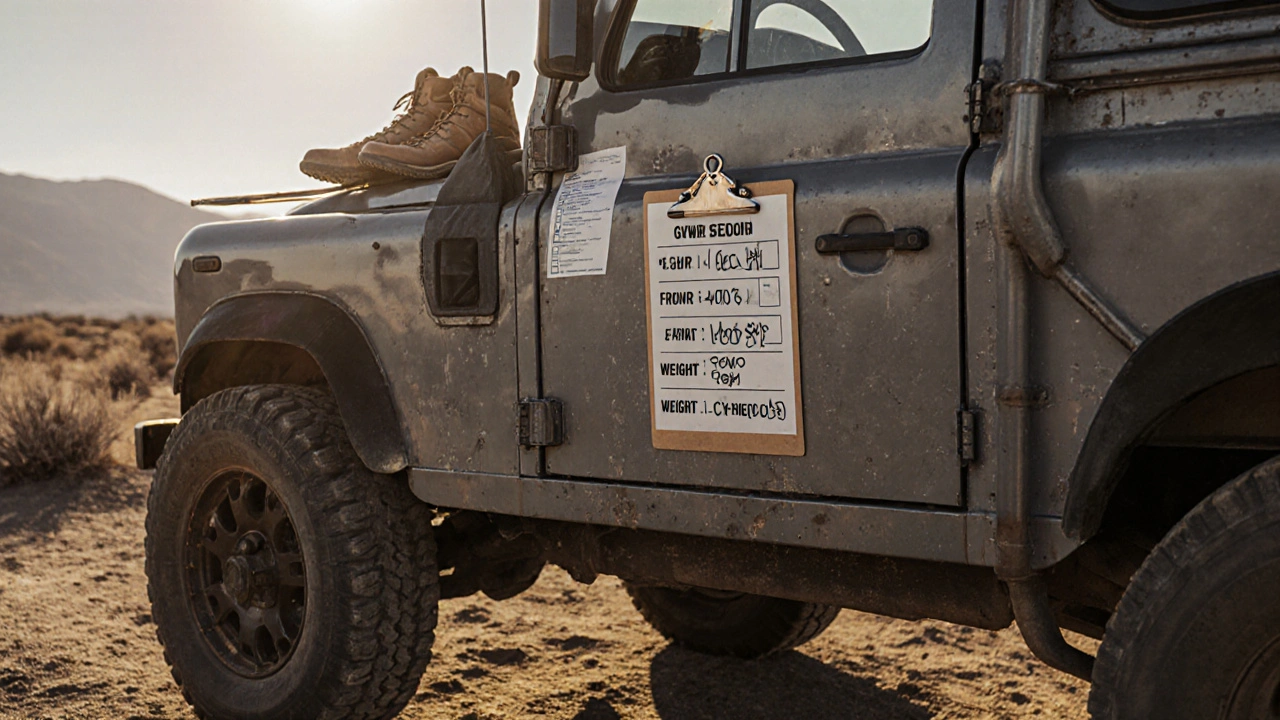
Vehicle Weight and Payload Management for Overlanding: How to Stay Safe and Efficient on the Trail
- 13 Comments
- Nov, 21 2025
Learn how to safely manage vehicle weight and payload for overlanding. Avoid dangerous overload, improve handling, and keep your rig reliable on rough terrain with practical tips and real-world examples.