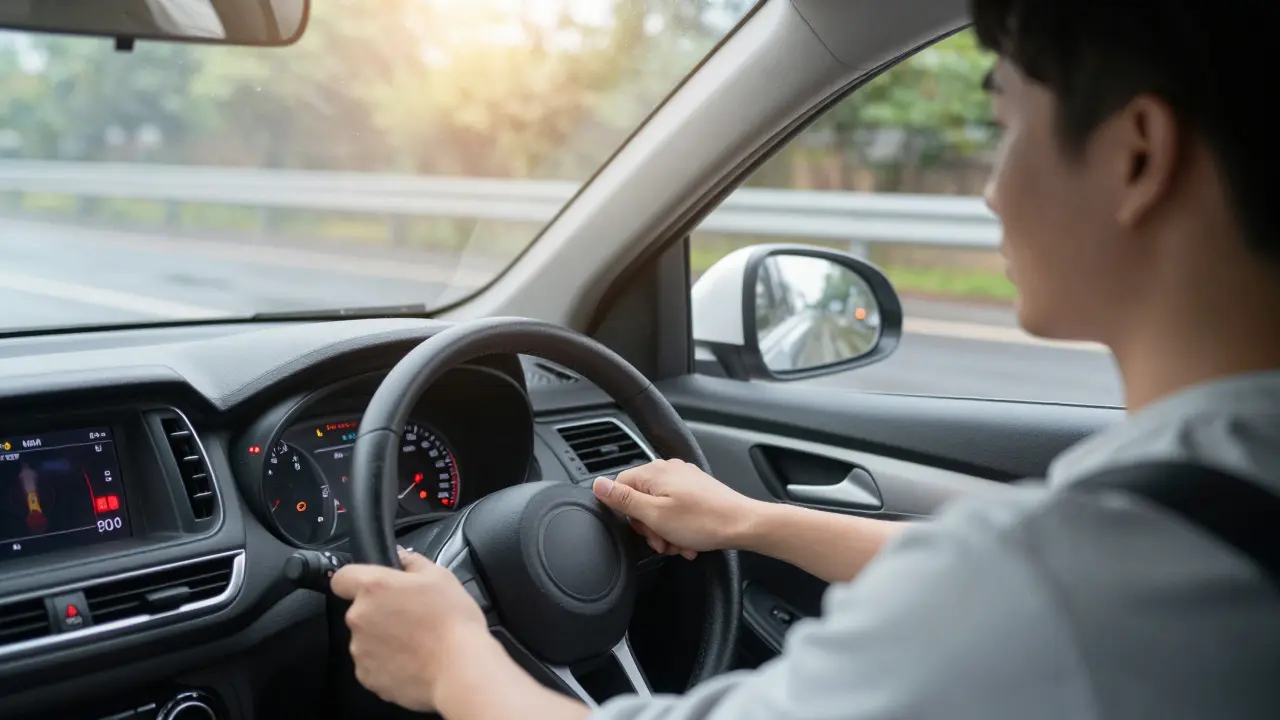
Most drivers think fuel economy is about the car they drive. But the truth? How you drive matters more than the make or model. If you’re stuck at 22 MPG when your car is rated for 30, the problem isn’t the engine-it’s your right foot.
Why Acceleration Kills Your MPG
Every time you press the gas pedal hard, your engine burns way more fuel than it needs. Rapid acceleration forces the engine to deliver maximum power, which means the fuel injectors dump in extra gasoline to keep up. That spike in fuel use doesn’t just disappear-it’s wasted as heat and noise.
Studies from the U.S. Department of Energy show that aggressive acceleration can lower fuel efficiency by 15% to 30% at highway speeds and up to 40% in stop-and-go traffic. That’s not a myth. That’s physics. Your car’s computer doesn’t care if you’re late-it only knows how much air and fuel you’re asking for.
Think of it like climbing stairs. If you take them two at a time, you get tired fast. If you take them one at a time, you save energy. Driving is the same. Smooth acceleration is like walking up the stairs-steady, controlled, and efficient.
The 3-Second Rule for Smooth Acceleration
Here’s a simple trick that works for nearly every car: count to three when you accelerate from a stop.
- At a red light, wait one second after the car in front of you moves.
- Then, gently press the gas pedal and let the car climb to speed over three full seconds.
- By the time you hit 30 mph, your foot should barely be halfway down.
This method keeps your engine in its most efficient RPM range. Most modern engines reach peak fuel efficiency between 1,500 and 2,500 RPM. Slamming the gas pushes you past that range and into the fuel-hungry zone.
Try this on your next drive. You’ll notice the car feels calmer, the ride smoother, and you’ll be surprised how quickly you reach your destination without ever feeling rushed.
How Cruise Control Helps-And When It Doesn’t
Cruise control is often sold as a fuel-saving feature. And it can be-but only on flat, open highways.
On rolling terrain, cruise control keeps pushing the gas to maintain speed when going uphill. That means it uses more fuel than a human driver who eases off the pedal slightly and lets the car slow by 3-5 mph. Then, when going downhill, the car doesn’t coast-it still tries to hold speed, sometimes even engaging the brakes to slow down.
Here’s what works better: use cruise control only on long, flat stretches. On hills, turn it off and use your foot. Let the car lose a few mph going up, then let it gain naturally going down. You’ll save 5% to 10% fuel on hilly routes just by doing this.
Anticipate, Don’t React
The biggest fuel waste in city driving isn’t idling-it’s braking. Every time you hit the brakes, you turn kinetic energy into heat. That energy took fuel to create. And now it’s gone.
Smooth driving means avoiding braking altogether. How? Look ahead.
- See the red light two cars ahead? Start lifting off the gas now.
- Notice the car ahead slowing? Ease off the pedal before you even need to.
- Watch for merging traffic? Adjust your speed early so you don’t have to stop.
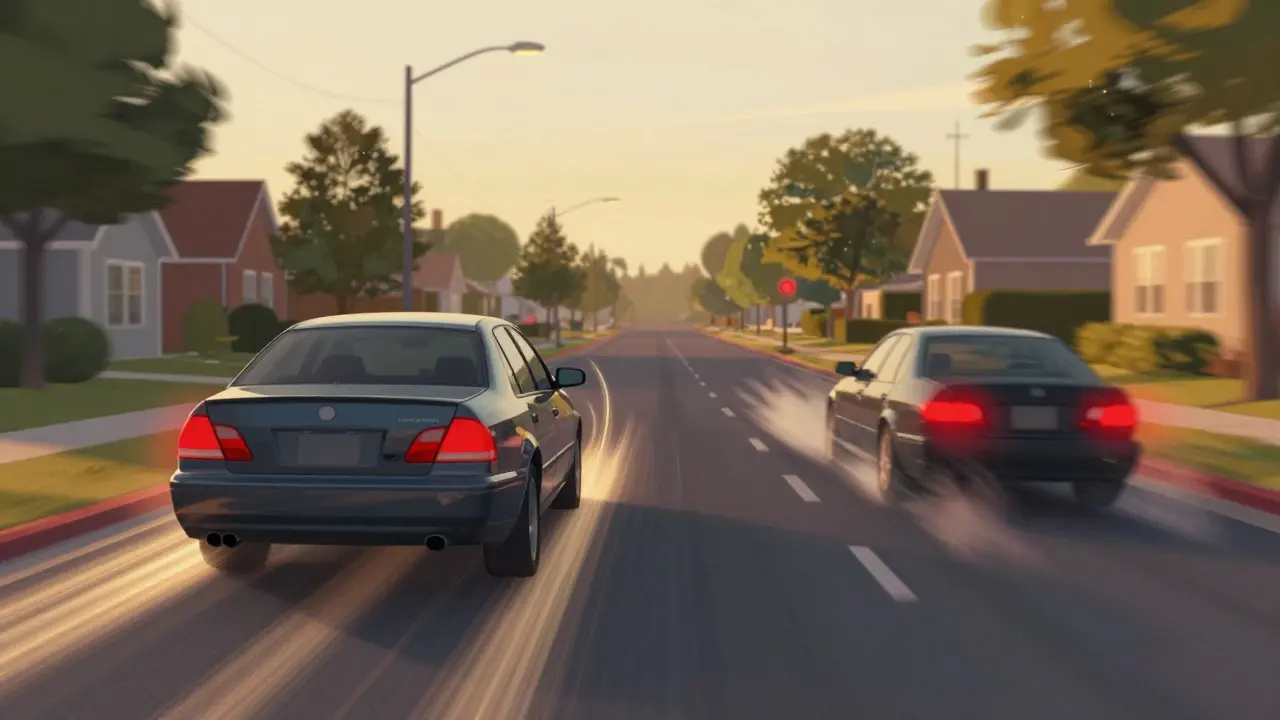
This is called coasting. It’s not lazy driving-it’s smart driving. You’re using momentum instead of fuel. In stop-and-go traffic, drivers who anticipate signals and traffic flow can cut fuel use by 20% compared to those who ride the brake and gas pedal like a seesaw.
How Tire Pressure and Weight Affect Your Acceleration
Even the smoothest driver can be sabotaged by simple oversights.
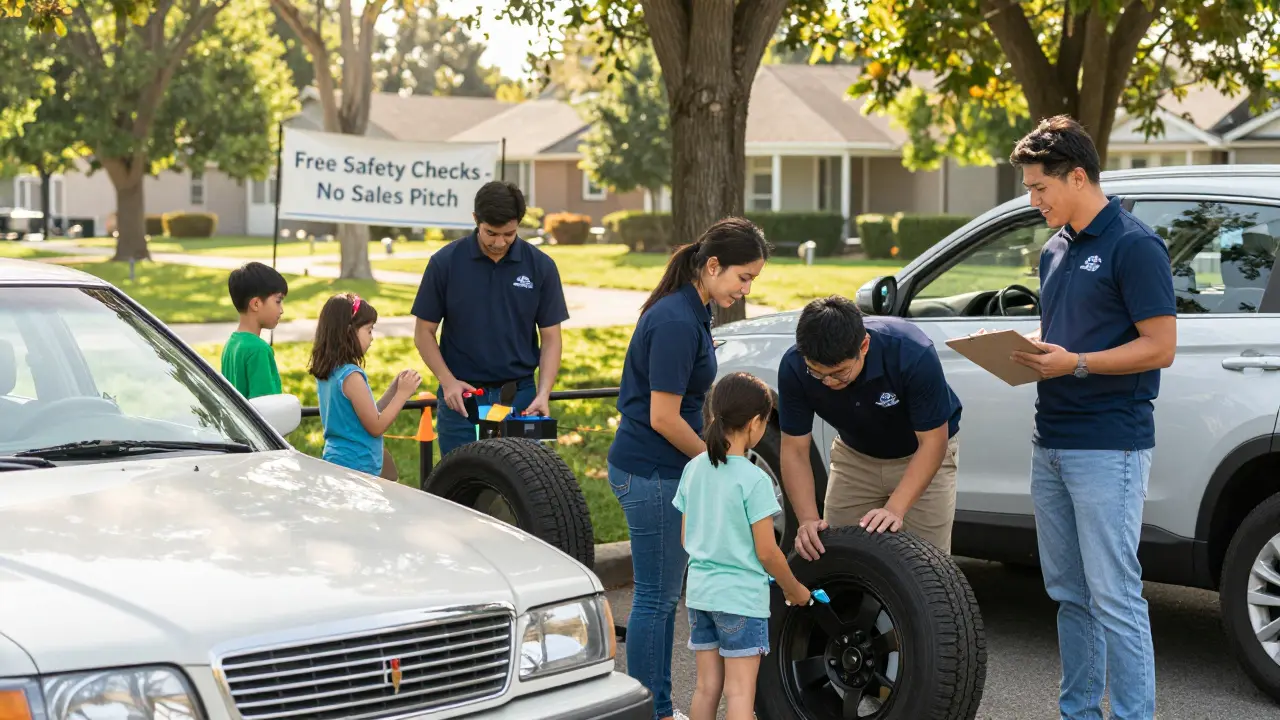
Underinflated tires increase rolling resistance. For every 1 psi below recommended pressure, you lose about 0.2% in fuel economy. If your tires are 10 psi low, that’s a 2% drop-enough to cost you 1 MPG on a 50 MPG trip.
And don’t forget weight. Every extra 100 pounds in your car cuts fuel economy by 1% to 2%. That means if you’re hauling unused roof racks, golf bags, or old gym gear, you’re burning fuel just to move junk.
Check your tire pressure once a month. Remove unnecessary weight. These aren’t fancy upgrades-they’re free efficiency hacks.
Real-World Results: What You Can Actually Save
Let’s say you drive 12,000 miles a year and your car gets 25 MPG. Gas costs $3.80 a gallon.
- With aggressive driving: you’re at 20 MPG → 600 gallons used → $2,280 spent
- With smooth acceleration and anticipation: you hit 28 MPG → 429 gallons used → $1,630 spent
That’s a $650 annual savings. And that’s before factoring in reduced wear on brakes, tires, and transmission.
One driver in Queens, New York, started using the 3-second acceleration rule and coasting techniques after her 2021 Honda Civic dropped from 32 to 26 MPG. Within two weeks, she was back to 31 MPG. She didn’t change anything but how she drove.
Common Mistakes That Kill Fuel Economy
Here are the top three things drivers do without realizing they’re wasting fuel:
- Idling for more than 30 seconds. Turning off the engine saves more fuel than idling. Modern starters are built to handle frequent starts.
- Driving with the AC on full blast. At highway speeds, open windows create drag. But in stop-and-go traffic, AC is more efficient than wind resistance. Use it wisely.
- Using premium gas when regular is recommended. Most cars don’t need it. Premium won’t boost MPG-it just costs more.
And don’t fall for gimmicks. Fuel additives, magnetized fuel line devices, or “miracle” chips? They don’t work. Stick to proven techniques: smooth acceleration, anticipation, and proper maintenance.
How to Track Your Progress
You can’t improve what you don’t measure. Use your car’s trip computer to track your average MPG over a week. Then, after two weeks of smooth driving, compare the numbers.
Most modern cars show real-time fuel economy on the dashboard. Watch how your MPG jumps when you lift off the gas early or accelerate gently. That feedback loop is powerful-it turns good habits into instinct.
If your car doesn’t have a display, download a free app like Fuelly or Gas Cubby. Log your fill-ups and let the app calculate your MPG. You’ll see the trend clearly.
Final Thought: Driving Smoothly Isn’t Slow-It’s Smart
Smooth driving doesn’t mean you’re late. It means you’re in control. You’re not racing the light-you’re working with traffic. You’re not fighting the road-you’re reading it.
When you drive like this, you use less fuel, wear out fewer parts, and arrive calmer. You’re not just saving money. You’re making every trip better.
Start today. The next time you pull away from a stop, count to three. See what happens.
Does accelerating slowly really save gas?
Yes. Rapid acceleration forces the engine to burn more fuel than needed. Accelerating smoothly over 3 to 5 seconds keeps the engine in its most efficient RPM range, improving fuel economy by 10% to 20% in city driving. The Department of Energy confirms this technique saves fuel without adding time to your trip.
Is cruise control always good for MPG?
Only on flat highways. On hills, cruise control uses more fuel because it forces the engine to maintain speed uphill and doesn’t allow natural coasting downhill. For hilly routes, turn off cruise control and let your foot adjust speed-this can save 5% to 10% in fuel.
Does tire pressure affect acceleration and fuel economy?
Absolutely. Underinflated tires increase rolling resistance, forcing the engine to work harder during acceleration. For every 1 psi below recommended pressure, you lose about 0.2% in MPG. Driving on tires that are 10 psi low can cost you 2 MPG-equal to $50 or more a year in wasted fuel.
Can I save money by using premium gas?
Only if your owner’s manual says so. Most cars are designed to run perfectly on regular 87-octane fuel. Premium gas doesn’t improve mileage, engine performance, or cleanliness in these vehicles. You’re just paying more for no benefit.
What’s the biggest mistake drivers make that hurts MPG?
Braking too often. Every time you hit the brakes, you waste energy that took fuel to create. The biggest fuel savings come from anticipating stops and slowing down early-without using the brake pedal at all. This technique, called coasting, cuts fuel use by up to 20% in city traffic.
Next Steps: Try This Tomorrow
Here’s your simple plan:
- Check your tire pressure today. Inflate to the number on the driver’s door jamb.
- Remove anything heavy from your trunk or back seat.
- Tomorrow, drive like you’re carrying a full cup of coffee-don’t spill it.
- Watch your car’s MPG display. You’ll see it climb within minutes.
You don’t need a new car. You don’t need expensive gadgets. You just need to drive differently. And that’s something you can start right now.
Jen Becker
January 27, 2026 AT 15:18Ryan Toporowski
January 27, 2026 AT 19:58Samuel Bennett
January 29, 2026 AT 12:37Rob D
January 30, 2026 AT 13:36Franklin Hooper
January 31, 2026 AT 05:31Jess Ciro
February 2, 2026 AT 05:22saravana kumar
February 3, 2026 AT 18:58Tamil selvan
February 5, 2026 AT 11:53Mark Brantner
February 6, 2026 AT 08:59Kate Tran
February 6, 2026 AT 18:49amber hopman
February 6, 2026 AT 19:37Jim Sonntag
February 8, 2026 AT 07:25Deepak Sungra
February 8, 2026 AT 17:20Samar Omar
February 9, 2026 AT 03:46