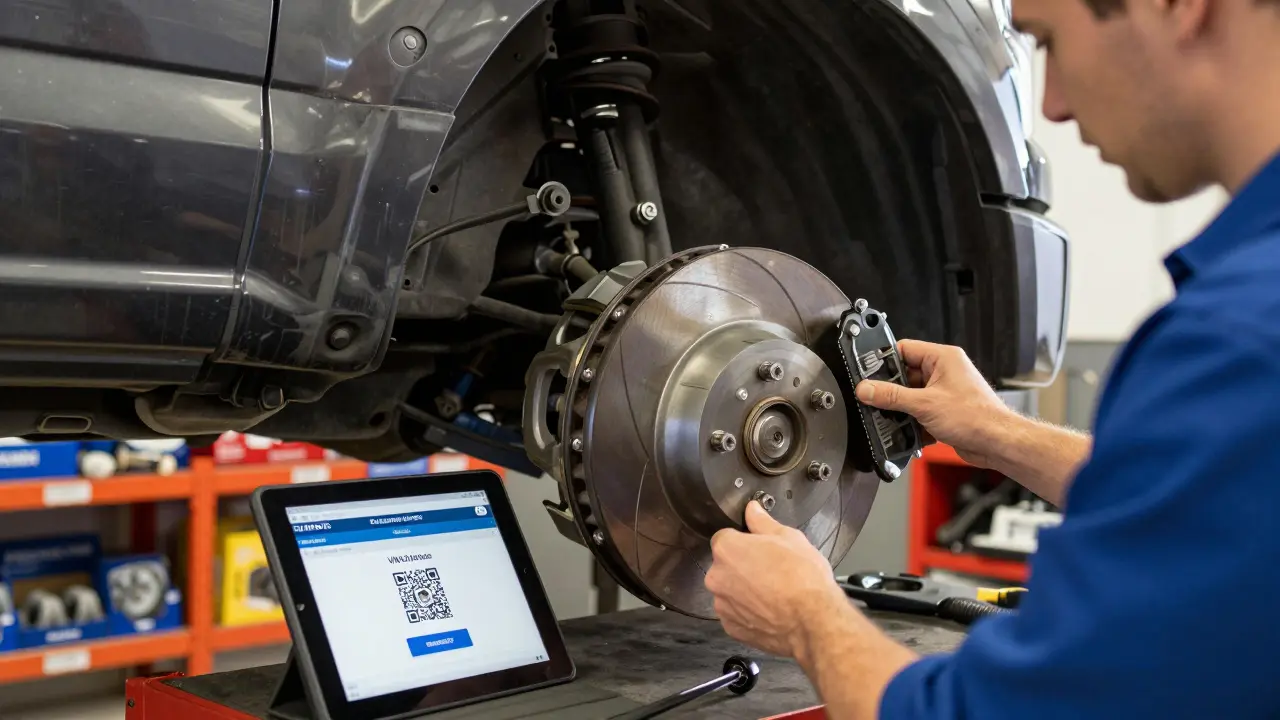
The aftermarket auto parts industry isn’t just surviving-it’s reshaping itself. In 2026, the way we repair, upgrade, and maintain vehicles has changed more in the last two years than it did in the last decade. It’s no longer just about cheaper alternatives to OEM parts. It’s about smart sourcing, digital platforms, and the quiet revolution happening under the hood of every repair shop and warehouse across the country.
What’s Actually Changing in the Aftermarket?
Let’s cut through the noise. The aftermarket isn’t dying because of electric vehicles. It’s evolving. Yes, EVs need fewer parts-no oil filters, no spark plugs, fewer moving components-but they still break. Batteries degrade. Sensors fail. Software updates glitch. And when they do, someone has to fix them. That someone isn’t always the dealership.
Independent repair shops now handle over 68% of all vehicle repairs in the U.S., according to the Automotive Aftermarket Industry Association. That number was 59% in 2020. Why? Because consumers are fed up with dealership markups. A single EV battery pack replacement at a dealership can cost $12,000. The same part from a certified aftermarket supplier? Around $5,500. And it comes with a 3-year warranty.
The real shift? The rise of direct-to-consumer aftermarket sales. Platforms like RockAuto, AutoZone’s online portal, and even Amazon’s auto section now offer OE-equivalent parts with verified compatibility checks. No more guessing if a part fits your 2023 Ford F-150. Just enter your VIN, and the system pulls the exact part number, cross-references it with 12 suppliers, and shows you prices from $89 to $199.
Quality Isn’t What It Used to Be
Remember when aftermarket meant cheap, flimsy, and unreliable? That’s mostly gone. Today’s top-tier aftermarket manufacturers-like Mevotech, Moog, and Febi Bilstein-build parts to meet or exceed OEM specifications. Many even use the same tooling, the same raw materials, and sometimes the same factories.
Take brake rotors. A 2025 study by the National Institute for Automotive Service Excellence found that premium aftermarket rotors performed just as well as OEM in 9 out of 10 stress tests. The only difference? Price. A set of OEM rotors for a Toyota Camry: $310. The aftermarket equivalent: $145. And they last just as long.
Even the packaging has changed. You’ll now find QR codes on boxes that link to installation videos, torque specs, and warranty claims. No more calling a mechanic to figure out how to install a suspension kit. Just scan, watch, and do it yourself.

The Rise of Digital Platforms
Think of the aftermarket like eBay, but for car parts. Except it’s smarter. Platforms like CarParts.com and PartsGeek now use AI to predict part failures before they happen. How? They analyze repair data from over 18,000 independent shops. If 300 mechanics in Ohio all report the same ball joint failing on 2021 Honda Accords, the system flags it. Then it pushes inventory to warehouses near those areas.
And it’s not just about parts. Apps like RepairPal and YourMechanic now integrate with aftermarket suppliers. You get a quote, pick the part, and schedule the job-all in one flow. No more juggling between three different websites.
Even wholesalers are going digital. Companies like NAPA and O’Reilly now offer real-time inventory tracking across their 6,000+ U.S. locations. If your local shop doesn’t have the part, they can pull it from the nearest warehouse and have it delivered in 4 hours.
OEMs Are Getting Scared
Here’s the twist: automakers are trying to lock you into their ecosystem. Ford, GM, and Tesla now require proprietary diagnostic tools and software licenses just to reset a simple error code. Some even disable repair manuals for non-dealership shops.
But it’s backfiring. The Right to Repair movement gained real power in 2024 when the U.S. Federal Trade Commission mandated that all automakers must provide diagnostic access and repair manuals to independent shops by January 1, 2025. Now, if a shop can’t access the data, they can legally sue. And they’re doing it.
As a result, aftermarket suppliers are stepping up. Companies like Autel and Launch now sell universal diagnostic tools that work on 98% of vehicles sold in the U.S. since 2015. No subscription fees. No VIN locks. Just plug in, read the code, fix it.

What’s Next? The 2026 Forecast
The aftermarket is heading toward three big shifts:
- Recycled and remanufactured parts will make up 30% of the market by the end of 2026. That’s up from 18% in 2023. Why? Because it’s cheaper and greener. A remanufactured alternator uses 80% less energy than a new one.
- 3D-printed parts are moving from prototypes to production. Companies like Xometry now print custom brackets, housings, and even suspension components on demand. No more waiting 3 weeks for a discontinued part.
- Subscription models are emerging. For $19/month, you can get access to a rotating inventory of high-demand parts-brake pads, filters, sensors-delivered before you even need them.
And don’t forget the labor side. More people are learning to fix their own cars. YouTube tutorials on replacing a CV joint have hit 12 million views this year. DIY repair kits now come with color-coded tools and step-by-step guides. The garage is no longer just for hobbyists-it’s becoming a standard part of car ownership.
What This Means for You
If you’re a car owner: you have more power than ever. You can choose quality, price, and speed. You don’t have to pay dealership prices. You don’t have to wait 10 days for a part. You can fix it yourself-or find a local shop that can, fast.
If you’re a mechanic: the tools are better, the parts are more reliable, and the customers are more informed. You’re not fighting against OEMs anymore-you’re working with a system that’s finally on your side.
If you’re in the industry: the winners aren’t the biggest suppliers. They’re the ones who move fast, use data, and give customers control. The old model-relying on dealer exclusivity and long lead times-is dead.
Are aftermarket parts as good as OEM parts?
Yes, many premium aftermarket parts meet or exceed OEM standards. Brands like Moog, Mevotech, and Febi Bilstein use the same materials and manufacturing processes as original equipment makers. Independent testing by the National Institute for Automotive Service Excellence shows no significant difference in performance or durability for critical components like brake rotors, suspension parts, and steering components. The biggest difference is price-aftermarket parts often cost 40% to 60% less.
Can I use aftermarket parts on a new car without voiding the warranty?
Yes, under the Magnuson-Moss Warranty Act, automakers cannot void your warranty simply because you used an aftermarket part. They can only deny coverage if they prove the aftermarket part directly caused the failure. As long as the part is certified (look for CAPA or ASE certification), it’s legal and safe to use-even on a brand-new vehicle.
Why are repair shops switching to aftermarket suppliers?
Because customers demand it. Repair shops report that over 75% of their customers now ask for aftermarket parts to save money. Plus, aftermarket suppliers offer faster delivery, better pricing, and more reliable inventory tracking. Many shops now use digital platforms that auto-fill orders based on repair history, reducing downtime and improving customer satisfaction.
Is the aftermarket industry affected by electric vehicles?
Not as much as people think. While EVs have fewer moving parts, they still need repairs: battery packs, charging systems, sensors, suspension components, and software updates. The aftermarket is adapting by offering remanufactured battery modules, EV-specific brake pads, and diagnostic tools designed for electric drivetrains. In fact, EV repair parts are one of the fastest-growing segments in the aftermarket, with sales up 142% since 2023.
What’s the difference between remanufactured and recycled parts?
Remanufactured parts are taken apart, cleaned, inspected, and rebuilt to original specifications using new components where needed. They’re tested and come with a warranty-often matching OEM standards. Recycled parts are simply reused from a salvage vehicle. They’re cheaper but have no warranty and may have hidden wear. Remanufactured parts are the smart choice for reliability; recycled parts work for non-critical, low-stress components like trim or mirrors.



Amanda Ablan
February 18, 2026 AT 13:44I’ve been using aftermarket parts for my 2021 Civic for three years now-brake rotors, struts, even the alternator. All Mevotech and Moog. Zero issues. The savings? Over $1,200 compared to dealership quotes. And the QR codes on the boxes? Genius. Watched a 90-second video and installed the suspension kit myself. No mechanic needed.
People still think ‘aftermarket = junk’ but that’s 2010 thinking. The quality today is insane. I’d trust a certified aftermarket part over a dealership’s mystery part any day.
Meredith Howard
February 19, 2026 AT 11:36It is interesting to note that the evolution of the aftermarket industry reflects broader shifts in consumer autonomy and economic pragmatism
There is a clear trend toward transparency and accessibility which aligns with principles of fair market practice
The regulatory intervention by the FTC appears to be both timely and necessary
The integration of AI into inventory prediction is not merely convenient but potentially transformative
One wonders how long it will take for legacy OEM systems to fully adapt
Yashwanth Gouravajjula
February 21, 2026 AT 05:46India is doing this too. Remanufactured parts from Pune, 3D-printed brackets from Bangalore. Cheaper, faster, local. No need to wait for US shipping. We’re not just consumers-we’re makers now.
Kevin Hagerty
February 23, 2026 AT 02:41Lol so now we’re supposed to be impressed that companies are finally not completely garbage? Took them long enough.
And yeah sure ‘OE-equivalent’-until the part cracks in 6 months and you’re stuck with a $200 part that’s not covered by warranty because you ‘used aftermarket’
And don’t even get me started on YouTube mechanics. My cousin tried to replace his CV joint and broke his transmission. Thanks, internet.
Janiss McCamish
February 25, 2026 AT 02:35EVs still break. Batteries die. Sensors glitch. Suspension wears out. The idea that EVs kill the aftermarket is nonsense.
And yes-remanufactured parts are the future. They save energy, money, and landfill space. Why buy new when you can get a rebuilt part that works just as well?
Richard H
February 26, 2026 AT 08:59USA made parts. That’s what matters. Why are we letting Chinese junk flood our repair shops? I buy American. Always have. Always will.
And if you think some guy in Bangalore printing brake rotors is better than Detroit engineering-you’re fooling yourself.
Kendall Storey
February 26, 2026 AT 23:01Bro this is the golden age of DIY auto repair. AI predicting failures before they happen? Real-time inventory across 6k warehouses? QR codes that walk you through installation?
We’re not just fixing cars anymore-we’re hacking the system. The OEMs are panicking because they lost control. And honestly? Good. The customer wins. The mechanic wins. The planet wins. This is what innovation looks like.
ravi kumar
February 27, 2026 AT 19:36My cousin runs a small shop in Jaipur. He switched to aftermarket suppliers last year. Now his turnaround time dropped by 40%. Customers are happier. He’s making more. Simple. No drama. Just good parts, good service.
Megan Blakeman
March 1, 2026 AT 11:36This is so beautiful 😊 I love how we’re moving away from corporate control and toward real choice 💖 The QR codes, the remanufactured parts, the DIY kits-it all feels like a quiet revolution 🌱 Thank you for writing this. It gives me hope for the future of ownership.
Akhil Bellam
March 2, 2026 AT 17:20Oh please. Let’s not pretend this is some revolutionary breakthrough. The aftermarket has always been a shadow economy of knock-offs and half-baked engineering.
Now they’ve slapped on some QR codes and called it ‘digital transformation’? Pathetic. Real innovation doesn’t come from Amazon and YouTube tutorials. It comes from billion-dollar R&D labs-with proper certifications, not some ‘CAPA’ sticker slapped on a part made in Shenzhen.
Amber Swartz
March 4, 2026 AT 08:44THEY’RE LYING TO US. EVERY SINGLE ONE OF THEM.
Did you know the FTC mandate was bought and paid for by the big aftermarket suppliers? The ‘Right to Repair’? A front. The real goal is to destroy OEMs so they can monopolize diagnostics and parts.
And those ‘AI-predicted failures’? They’re tracking your VIN. They know when your car is about to break. And they’re ready with the part… at a 200% markup.
Wake up. This isn’t freedom. It’s a trap.
Rae Blackburn
March 4, 2026 AT 21:38My uncle works at a dealership. He says they’re forced to use OEM parts. But the parts they install? Half are aftermarket-just repackaged with the dealership logo.
They charge you $800 for a ‘GM-branded’ brake rotor. It’s the same one you can buy online for $145.
They’re stealing from you. And no one’s talking about it.