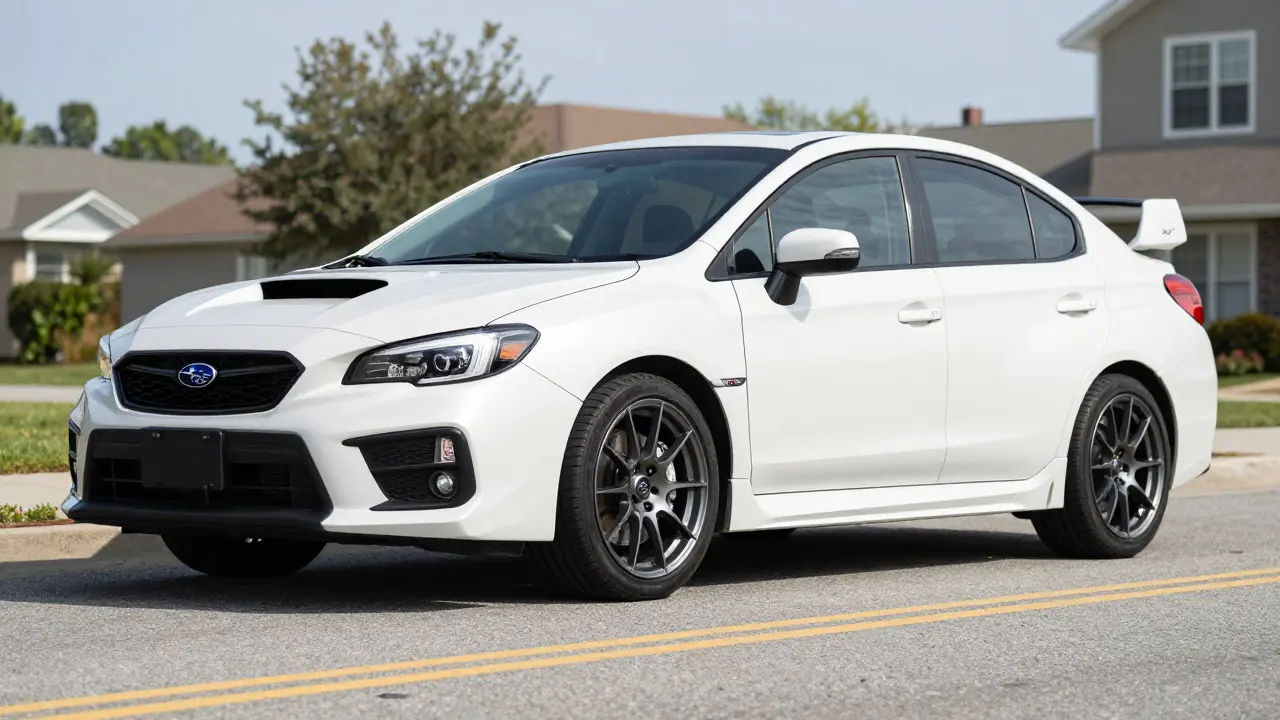
Changing your wheels isn’t just about looks-it’s one of the most impactful upgrades you can make to your car. A set of aftermarket wheels can change how your vehicle handles, how it sounds, and even how far it can go on a single tank. But if you pick the wrong size, offset, or design, you could end up with a ride that’s harsh, unsafe, or worse-damaged. This guide cuts through the noise and shows you exactly what matters when choosing aftermarket wheels.
What Are Aftermarket Wheels?
Aftermarket wheels are any wheels made by a company other than your car’s original equipment manufacturer (OEM). These include brands like BBS, HRE, Forgeline, Volk Racing, and even more affordable options like American Racing and Enkei. Unlike OEM wheels, which are designed to balance cost, weight, and durability for mass production, aftermarket wheels are built with specific goals in mind: lighter weight, better strength, unique styling, or improved performance.
Most aftermarket wheels are made from either aluminum alloy or forged aluminum. Cast aluminum wheels are cheaper and common in budget brands. Forged wheels are stronger, lighter, and more expensive-often used in high-performance or track cars. Some premium brands even use titanium or carbon fiber, but those are rare and cost thousands per wheel.
Wheel Size: Bigger Isn’t Always Better
One of the biggest mistakes people make is chasing bigger wheels. You see a 22-inch set on a show car and think, “That’s what I want.” But going too big can hurt more than help.
Most factory cars come with 16- to 18-inch wheels. Upgrading to 19 or 20 inches is usually fine if done right. But 21 inches and up? That’s where problems start.
- Lower profile tires: Bigger wheels mean thinner sidewalls. That reduces cushioning, so every pothole, speed bump, or cracked pavement hits the rim harder. You’re more likely to crack or bend a wheel.
- Weight increase: Larger wheels often weigh more, especially if they’re not forged. More rotational mass means slower acceleration, worse braking, and reduced fuel economy.
- Clearance issues: Bigger wheels may rub against suspension components, fenders, or brake calipers. You might need spacers, modified fenders, or even a suspension lift.
For daily driving, stick to 18-20 inches. For performance driving, 17-19 inches gives you better tire sidewall flex and more grip. Track cars often use 17-inch wheels because they allow for thicker, stickier tires that last longer under stress.
Fitment: The Hidden Science
Fitment is everything. It’s not just about the diameter-it’s about the width, offset, bolt pattern, and hub bore.
Bolt pattern: This is the number of lug holes and the distance between them. Common patterns include 5x114.3 (most Hondas and Toyotas), 5x120 (BMW, Audi), and 5x112 (Volkswagen). If the bolt pattern doesn’t match, the wheel won’t mount. Period.
Offset (ET): This measures how far the wheel sits in or out from the hub. A low offset (like ET35) pushes the wheel outward, giving you a wider stance. A high offset (like ET55) tucks the wheel inward. Too much positive offset can cause rubbing on the suspension. Too much negative offset can make steering heavier and stress the wheel bearings.
Hub bore: This is the center hole that fits over your car’s hub. If the wheel’s hub bore is larger than your hub, you’ll need a centering ring. If it’s smaller, the wheel won’t fit at all. Most aftermarket wheels come with multiple centering rings to fit different cars.
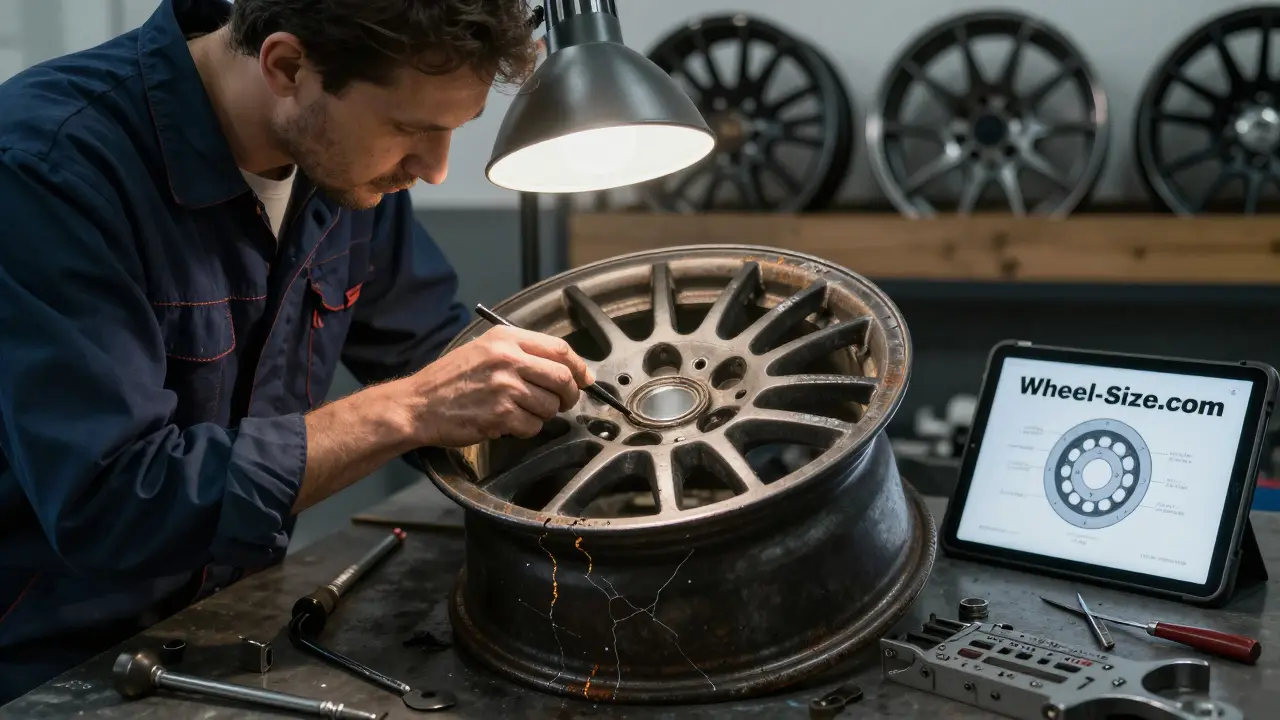
Never guess fitment. Use a reliable fitment tool like Wheel-Size.com or a database that matches wheel specs to vehicle models. Enter your car’s year, make, and model. It will show you exactly which wheels fit without modification.
Wheel Styles: Form vs. Function
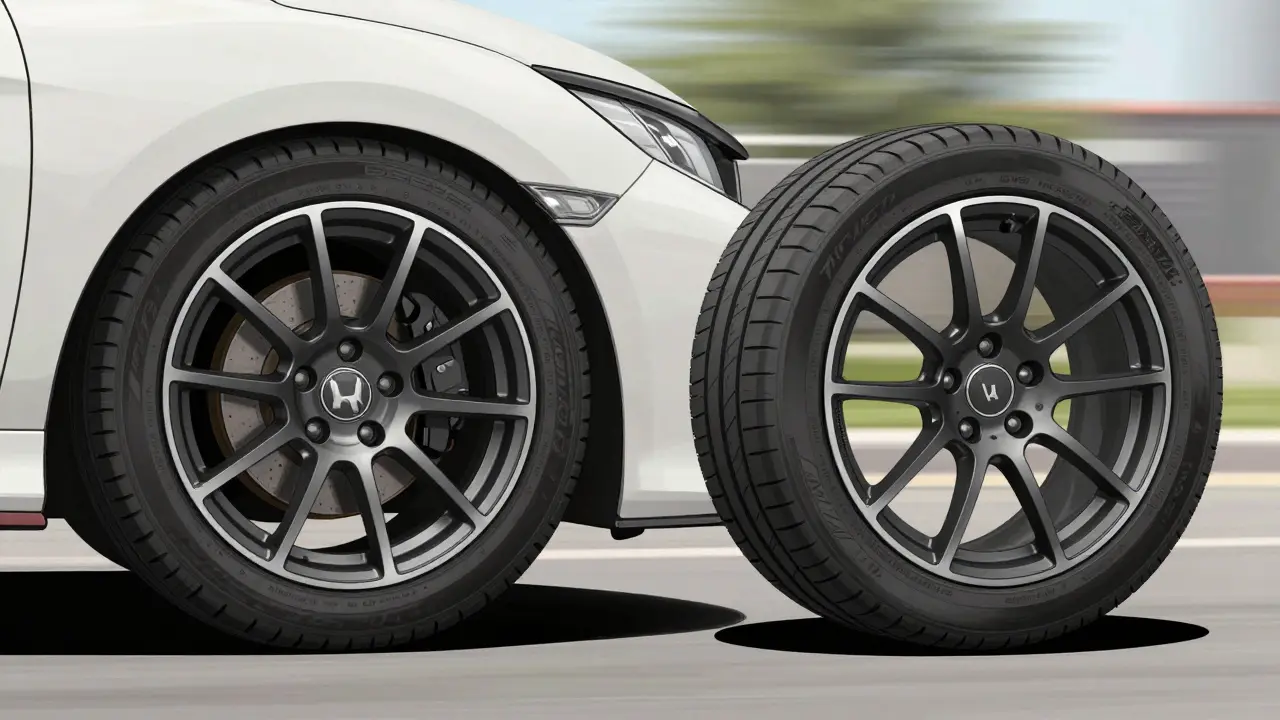
There are three main wheel styles: multi-spoke, single-spoke, and split-spoke.
- Multi-spoke: Think of a 5- or 6-spoke design. These are popular because they’re strong, lightweight, and look aggressive. They’re common on sports cars and SUVs. Brands like BBS and OZ Racing specialize in these.
- Single-spoke: These look like a giant “C” or “Y” shape. They’re ultra-light and often used in racing. But they’re expensive and harder to repair if bent.
- Split-spoke: These combine two or more spoke patterns for a modern, high-end look. Think of the design on a Tesla Model S Performance. They’re great for aesthetics but can trap brake dust and are harder to clean.
Style matters, but don’t ignore function. A deep dish wheel might look cool, but if it’s too narrow or has the wrong offset, it’ll rub on your fender or brake caliper. Always check for brake clearance. Big calipers from upgraded brake kits need extra room.
Performance: How Wheels Change Your Drive
Wheels affect your car’s performance in three key ways: weight, stiffness, and grip.
Unsprung weight: This is the weight of parts not supported by the suspension-wheels, tires, brakes. Lighter wheels reduce unsprung weight. That means your suspension can react faster to bumps, keeping tires planted on the road. The result? Better handling, braking, and ride comfort.
Every pound you save on a wheel is like removing 2-3 pounds from the body of the car. That’s why race teams spend thousands on forged wheels. A set of 18x9.5 forged wheels can weigh 18 pounds each, while a stock cast wheel might weigh 25 pounds. That’s a 30-pound weight savings per corner.
Stiffness: A stiffer wheel transfers more power to the road and reduces flex during hard cornering. That improves steering response. But too stiff? It can make the ride harsh and transmit more road noise.
Tire contact patch: Wider wheels allow wider tires, which increase grip. But only if the tire is matched to the wheel width. A 9-inch wheel should use a 245mm or 255mm tire. Too narrow a tire on a wide wheel? It’ll bulge and reduce grip. Too wide? The tire will be pinched and wear unevenly.
Real-World Examples
Let’s say you own a 2021 Subaru WRX. It comes with 18x8.5-inch wheels. You want to upgrade.
- Good upgrade: 18x9.5-inch wheels with ET38 offset and 5x114.3 bolt pattern. Pair with 255/40R18 tires. This gives you more grip, better looks, and no rubbing.
- Bad upgrade: 20x10-inch wheels with ET25. This pushes the wheel too far out. You’ll rub the fender liner, need fender rolling, and likely damage the suspension over time. Fuel economy drops 3-5%.
Another example: a 2019 Honda Civic Si. Stock wheels are 18x7.5. Going to 18x8.5 with ET45 improves stance and allows 235/40R18 tires. No modifications needed. That’s a perfect upgrade.
Pitfalls to Avoid
- Buying used wheels without checking for damage: Cracks, bends, or corrosion can fail without warning. Always inspect the backside of the wheel and spin it on a flat surface.
- Ignoring tire compatibility: Not all tires work with all wheels. Check the tire manufacturer’s recommended rim width range.
- Skipping wheel balancing: Even new wheels need balancing. Unbalanced wheels cause vibration, uneven tire wear, and stress on bearings.
- Using cheap lug nuts: Aftermarket wheels often require specific lug nuts-conical, ball seat, or tuner-style. OEM lugs may not fit.
What to Look for in a Quality Wheel
Look for these signs of quality:
- Weight: Compare the wheel’s weight to OEM. If it’s heavier, it’s probably not a performance upgrade.
- Finish: Powder-coated or painted finishes should be smooth, even, and chip-resistant. Avoid cheap chrome plating-it peels.
- Warranty: Reputable brands offer at least a 1-year finish warranty and a lifetime structural warranty.
- Testing: Look for wheels tested to JWL, VIA, or SAE J175 standards. These prove the wheel can handle stress and impact.
Final Checklist Before Buying
- Confirm your car’s bolt pattern and hub bore.
- Use a fitment tool to find wheels that match your model.
- Choose a size between 17-20 inches unless you’re building a track car.
- Match wheel width to tire size-don’t go too wide or too narrow.
- Check offset to avoid fender or suspension rubbing.
- Verify brake clearance-especially if you upgraded brakes.
- Buy from a seller with return policy and warranty.
- Get professional installation and balancing.
Aftermarket wheels can transform your car-if you choose wisely. Don’t let style override function. A well-chosen set will improve your car’s performance, safety, and resale value. A bad set? It’ll cost you in repairs, tire wear, and peace of mind.
Can I put any wheel on my car as long as the bolt pattern matches?
No. Even if the bolt pattern matches, the offset, hub bore, and wheel width must also be compatible. Wrong offset can cause rubbing or stress on suspension parts. Wrong hub bore means the wheel won’t center properly, leading to vibrations. Always check full fitment specs.
Are forged wheels worth the extra cost?
Yes, if you drive aggressively, track your car, or want the best performance. Forged wheels are 20-30% lighter than cast wheels and much stronger. That means better handling, faster acceleration, and less strain on your suspension. For daily driving, high-quality cast wheels are fine. But if you care about performance, forged is the upgrade.
Do bigger wheels improve handling?
Only if paired with the right tire. Bigger wheels often mean lower-profile tires, which reduce sidewall flex and improve cornering response. But if the wheel is too heavy or the tire is too narrow, you’ll lose grip and ride quality. Most cars handle best with 18-19 inch wheels and performance tires-not 20+ inch wheels with thin sidewalls.
How do I know if a wheel is too wide for my car?
Check for clearance at full steering lock and when the suspension compresses. If the tire touches the fender liner, strut, or brake caliper during turns or bumps, it’s too wide. Use a fitment guide or consult a professional installer. Many shops offer mock-up fitting before you buy.
Can aftermarket wheels affect my car’s warranty?
Only if the wheels cause damage. Under the Magnuson-Moss Warranty Act in the U.S., manufacturers can’t void your entire warranty just because you installed aftermarket parts. But if a wheel causes suspension damage or a brake failure, that specific repair may not be covered. As long as the wheels are properly fitted and don’t interfere with factory components, your warranty stays intact.
Honey Jonson
February 18, 2026 AT 19:40Sally McElroy
February 20, 2026 AT 13:25Destiny Brumbaugh
February 22, 2026 AT 11:53Sara Escanciano
February 24, 2026 AT 07:59Elmer Burgos
February 24, 2026 AT 12:25Jason Townsend
February 26, 2026 AT 05:53Antwan Holder
February 27, 2026 AT 22:35Angelina Jefary
March 1, 2026 AT 13:24Jennifer Kaiser
March 2, 2026 AT 16:54TIARA SUKMA UTAMA
March 4, 2026 AT 09:30Jasmine Oey
March 5, 2026 AT 13:26Marissa Martin
March 6, 2026 AT 14:01James Winter
March 8, 2026 AT 09:12Honey Jonson
March 10, 2026 AT 08:25