When you hear "balloon auto loan," you might think it sounds like a fun party trick - a big, colorful burst at the end. But in car financing, it’s anything but fun. A balloon auto loan is a type of car loan where your monthly payments are low for most of the term, but then you’re hit with one huge payment at the end. That final lump sum? That’s the balloon. And if you’re not ready for it, it can crush your finances.
How a Balloon Auto Loan Actually Works
Let’s say you buy a $30,000 car with a five-year balloon loan. Instead of paying off the full amount over 60 months, your lender calculates payments based on a shorter term - maybe just 24 or 36 months. So your monthly payments might be $400 instead of $550. That sounds great, right? Until you realize that $15,000 to $18,000 is still sitting on the loan, due all at once in month 60.
This isn’t magic. It’s math. The lender is essentially saying: "You pay less now, but you owe the rest later." The balloon payment is usually 30% to 50% of the original loan amount. Some lenders even let you roll the balloon into a new loan, but that just kicks the problem down the road.
These loans are often marketed as "low monthly payments" or "affordable financing." Dealers love them because they make the car seem cheaper than it really is. But they rarely explain the trap waiting at the end.
Who Gets Offered These Loans?
You’re not usually offered a balloon loan if you have strong credit and a steady income. Lenders don’t need to trick you into a risky deal if you qualify for a standard loan. These loans are typically pushed toward buyers with:
- Lower credit scores
- Unstable income (freelancers, gig workers)
- First-time buyers who don’t understand financing
- People who want to drive a more expensive car than they can afford
It’s not about helping you buy a car. It’s about helping the dealer sell a car - and make more money off the financing.
The Hidden Risks Nobody Talks About
Here’s what happens when the balloon payment comes due:
- You can’t pay it. Maybe your income dropped, or you lost your job. Maybe you just didn’t save. Now you’re stuck.
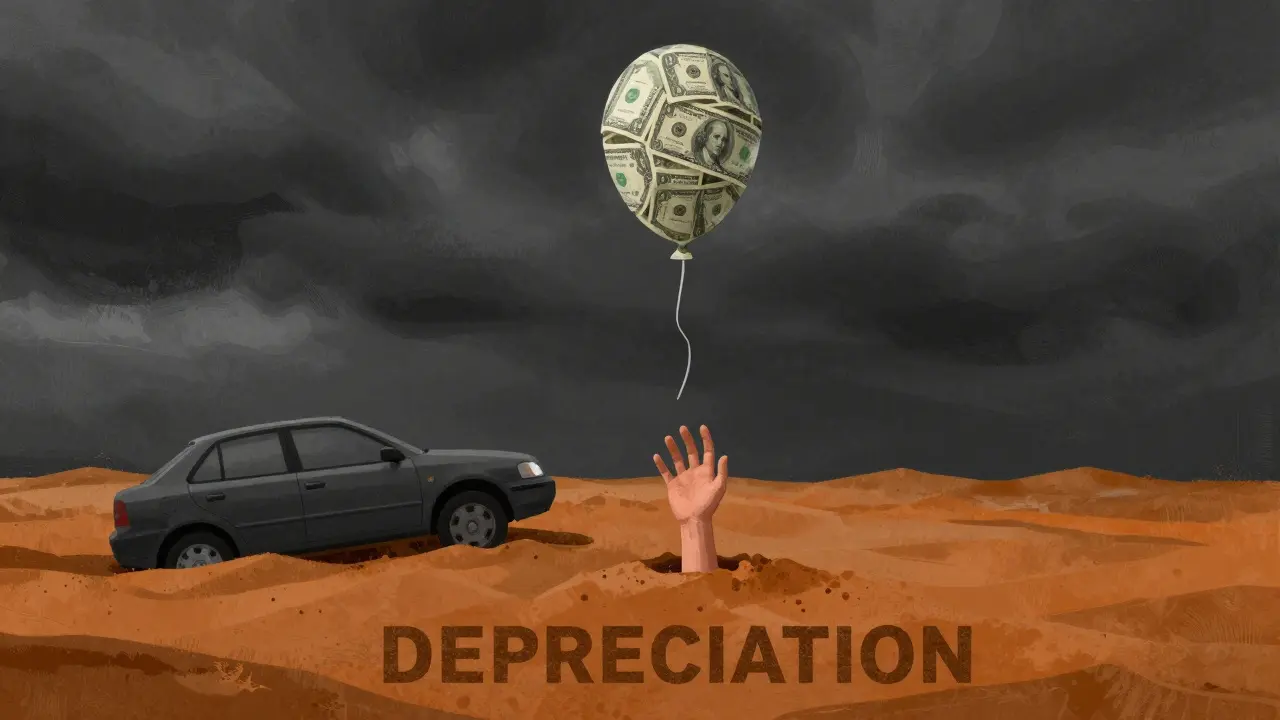
- The car’s worth less than what you owe. Cars depreciate fast. In three years, that $30,000 car might be worth $18,000 - but you still owe $20,000. You’re upside down.
- Refinancing isn’t easy. If you try to refinance the balloon, lenders will check your credit again. If your score dropped or your debt went up, you’ll get denied - or get worse terms.
- Repossession is real. If you miss the balloon payment, the lender can take your car. No warning. No second chance.
One 2023 study from the Consumer Financial Protection Bureau found that nearly 40% of borrowers with balloon auto loans ended up defaulting or surrendering their vehicle before the final payment was due. That’s not a glitch - it’s built into the system.

Why Dealers Push Balloon Loans
Dealers earn more money from balloon loans than from regular financing. Here’s how:
- They get higher commissions on the loan amount because the monthly payment looks lower, making the deal seem more attractive.
- They often partner with subprime lenders who charge higher interest rates.
- If you can’t pay the balloon, they can sell you another car on another balloon loan - right then and there.
It’s a cycle. You trade one car for another, each time with a bigger loan and a bigger balloon. And every time, the dealer pockets more.
What Happens If You Can’t Pay the Balloon?
You have three choices - and none of them are good.
- Sell the car. If the car’s value is higher than what you owe, you can sell it and pay off the loan. But if you’re upside down, you’ll need to come up with cash to cover the difference.
- Refinance. You can try to get a new loan to pay off the balloon. But if your credit has worsened or you have more debt, lenders will say no.
- Surrender the car. You give it back. The lender sells it, but if it doesn’t cover what you owe, you still owe the difference - and it hurts your credit.
Many people think they’ll just "figure it out" later. But life doesn’t work that way. Jobs change. Emergencies happen. Savings disappear. And that balloon? It doesn’t care.
How to Avoid the Trap
If you’re looking at a balloon auto loan, pause. Ask yourself:
- Do I have a plan to save $10,000-$20,000 in the next few years? (If not, don’t take it.)
- Can I afford the car if my income drops 20% next year?
- Is the dealer pushing this because it’s best for me - or because it makes them more money?
Here’s what to do instead:
- Get pre-approved for a standard loan from your bank or credit union before you step onto the lot.
- Make a larger down payment. Even 20% reduces your monthly burden and eliminates the balloon.
- Choose a shorter loan term - 48 months instead of 72. You’ll pay more per month, but you’ll own the car outright sooner.
- Use a car affordability calculator. Most banks have them. Plug in your real income, expenses, and savings - not the dealer’s numbers.
There’s no shame in driving a $20,000 car instead of a $40,000 one. But there’s a lot of shame in losing your car, wrecking your credit, and owing thousands because you thought "low monthly payments" meant "no risk."
The Bottom Line
Balloon auto loans aren’t loans - they’re deferred payments with teeth. They look like a shortcut to a nicer car. But they’re really a trap designed to make dealers rich and buyers desperate.
If you’re tempted by a balloon loan, walk away. Find a lender who lets you pay off what you owe - not what they think you can handle later. Your future self will thank you.
What is a balloon payment on a car loan?
A balloon payment is a large, lump-sum payment due at the end of a car loan term. It’s usually 30% to 50% of the original loan amount. Monthly payments during the loan are kept low by not fully paying down the balance - so the rest is due all at once.
Are balloon auto loans legal?
Yes, balloon auto loans are legal in all 50 U.S. states. But they’re heavily criticized by consumer advocates because they’re often sold without clear warnings. Some states require lenders to disclose the balloon payment amount in bold print, but enforcement varies.
Can you refinance a balloon auto loan?
You can try, but it’s not guaranteed. Lenders will re-evaluate your credit score, income, and debt-to-income ratio. If your finances have worsened since you got the loan, you’ll likely be denied - or offered a higher interest rate. Many people get stuck because they can’t refinance when the balloon comes due.
Do balloon loans hurt your credit?
The loan itself doesn’t hurt your credit - as long as you make all payments on time. But if you can’t pay the balloon, defaulting will damage your credit score. A repossession or charge-off can lower your score by 100-200 points and stay on your report for seven years.
Is there a better alternative to a balloon auto loan?
Yes. Get a standard auto loan with fixed monthly payments that fully pay off the car by the end of the term. Aim for a 20% down payment and a loan term of 48 months or less. Pre-approve with your bank or credit union before visiting the dealership. This gives you control - and avoids the risk of a surprise payment.