
When your car lease ends, you have three main choices: turn it in, buy it, or transfer the lease to someone else. A car lease is a financial agreement where you pay to use a vehicle for a set period, usually 2-4 years, before returning it or buying it. This decision impacts your wallet and future transportation. Let's break down each option clearly.
Turn-In Process
Turning in your leased car means returning it to the dealership. The process starts about 90 days before your lease ends. You'll need to schedule a return appointment with the leasing company. During this time, review your lease agreement for specific return requirements. Most companies require the vehicle to be clean and free of major damage. However, normal wear and tear is expected. For example, minor scratches or small dents might not cost you anything, but large dents or torn upholstery could.
One big factor is mileage. Leases typically limit annual mileage-say 12,000 miles per year. If you drove 15,000 miles in a year, you'll pay for the extra 3,000 miles. Fees usually range from $0.15 to $0.30 per mile. So for 3,000 extra miles at $0.25 per mile, that's $750. Check your lease agreement for exact rates.
Wear and tear charges can add up. If the leasing company finds excessive damage, they'll send you a bill for repairs. For instance, a cracked windshield might cost $300 to replace. But if the damage is minor, like a small dent, they might not charge you. Always get a pre-return inspection to know what to expect.
After returning the car, the leasing company will process the vehicle. If there are no fees, you're done. If there are charges, you'll receive a bill. Paying these fees promptly avoids extra interest or collection actions.
Purchase Option
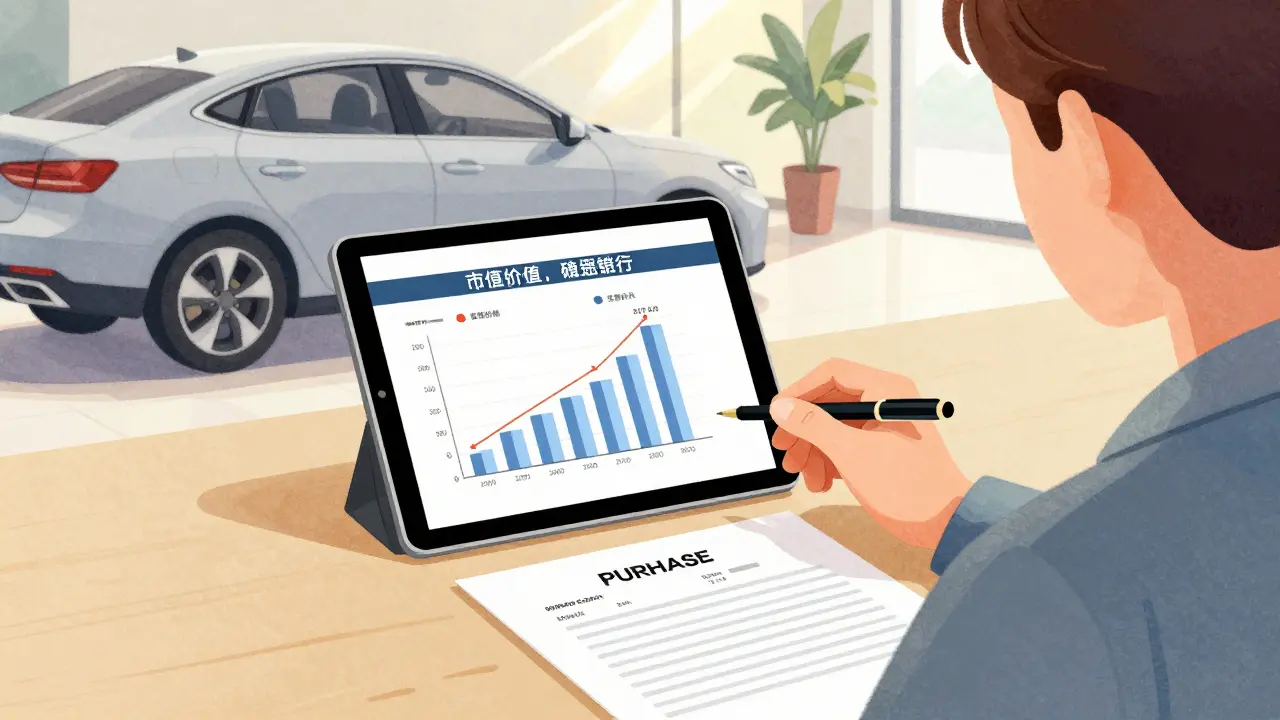
Buying your leased car at the end of the term is a popular choice. The purchase price is based on the residual value set at the start of your lease. This value is predetermined and reflects the car's expected worth after the lease period. For example, if your lease had a $25,000 residual value, that's what you'd pay to own the car outright.
But here's the thing: you can often negotiate this price. If the car's current market value is lower than the residual value, you have leverage. Say the car is worth $22,000 in today's market, but your residual is $25,000. Contact the leasing company and ask if they'll reduce the price. Some companies are flexible, especially if they know you can get a better deal elsewhere.
Financing the purchase is straightforward. You can get a loan from your bank, credit union, or the leasing company. Compare interest rates to find the best deal. For instance, a credit union might offer 4.5% APR while the leasing company charges 6.5%. Saving on interest can save hundreds over the loan term.
Keep in mind, buying the car means you own it outright. No more monthly lease payments, but you'll handle maintenance and insurance yourself. It's a good option if you love the car and want to keep it long-term.
Lease Transfer
Transferring your lease to another person lets you end the lease early without penalties. This is useful if you need to get out of the lease but don't want to pay the early termination fee. The process involves finding someone to take over your lease payments and responsibilities.
Start by checking with your leasing company. Not all companies allow transfers, but many do. Companies like Swapalease and LeaseTrader specialize in matching lessees with transfer opportunities. These platforms list available leases and potential transferees.
To transfer, the new lessee must qualify with the leasing company. They'll check their credit score, income, and other factors. If approved, you'll pay a transfer fee-usually $200 to $500. Some companies let the new lessee cover this fee, so it's worth negotiating.
Once the transfer is complete, you're off the hook. The new lessee takes over payments and responsibilities. However, some leases have clauses where you're still liable if the new lessee defaults. Always confirm with your leasing company that you're fully released from the lease.

Lease End Options Comparison
| Option | Cost | Time | Pros | Cons |
|---|---|---|---|---|
| Turn-In | Excess mileage fees, wear and tear charges | 1-2 days | No long-term commitment | Potential high fees for damage or mileage |
| Purchase | Residual value + financing costs | 1-2 weeks | Own the car outright; no more lease payments | May pay more than market value if not negotiated |
| Lease Transfer | Transfer fee ($200-$500) | 2-4 weeks | Exit lease early without early termination fees | Requires finding a qualified transferee; some liability risk |
Frequently Asked Questions
Can I negotiate the purchase price of my leased car?
Yes, you can often negotiate the purchase price. The residual value set at lease start is just a starting point. If the car's current market value is lower, contact the leasing company and ask for a better deal. For example, if the residual is $25,000 but similar cars sell for $22,000, you have a strong case for negotiation. Some companies may reduce the price to avoid losing a customer.
What happens if I exceed my lease mileage limit?
Exceeding your mileage limit means paying a fee for each extra mile. Typical rates are $0.15 to $0.30 per mile. For example, if your lease allowed 12,000 miles per year and you drove 15,000, you'd pay for 3,000 extra miles. At $0.25 per mile, that's $750. Always check your lease agreement for exact rates and consider buying extra miles upfront if you know you'll exceed the limit.
How do I find someone to take over my lease?
Use specialized platforms like Swapalease or LeaseTrader. These sites connect lessees looking to transfer their lease with people interested in taking over. You can also check local car forums or social media groups. Just be sure the new lessee qualifies with your leasing company before finalizing the transfer.
Are there fees for transferring a lease?
Yes, lease transfer fees typically range from $200 to $500. These fees cover administrative costs for processing the transfer. Some leasing companies allow the new lessee to pay the fee, so it's worth asking. For example, Swapalease usually charges a $199 fee for listing a lease, but the new lessee often covers it. Always confirm the fee structure with your leasing company before proceeding.
Can I extend my lease instead of making a final decision?
Yes, many leasing companies offer month-to-month extensions. This is useful if you're not ready to decide. For example, if you need more time to find a new car or save up for a purchase, an extension gives you breathing room. However, you'll continue paying monthly lease payments during the extension. Check with your leasing company about extension options and fees.


Taylor Hayes
February 5, 2026 AT 10:13When returning a leased car, scheduling a pre-return inspection can save you from costly fees. Always check the lease agreement for details on what counts as normal wear and tear.
Sanjay Mittal
February 6, 2026 AT 03:28When buying the car, checking the market value on KBB is crucial. If it's lower than the residual, negotiate. I saved $2k doing this last year.
Mike Zhong
February 8, 2026 AT 01:24Leasing companies set residual values high to ensure profit. They don't care if you're stuck with a bad deal-just another way to impose additional costs.
Jamie Roman
February 9, 2026 AT 15:50I've negotiated the purchase price before. Checked KBB, found the car was worth $3k less than residual. Called the leasing company, explained market value, and they reduced it. Took some back-and-forth but totally worth it. Do your research before signing anything.
Salomi Cummingham
February 10, 2026 AT 23:47Mileage fees are a trap. My friend drove 15,000 extra miles and got hit with over $1,000. Always check your lease terms before signing-read the fine print carefully.
Johnathan Rhyne
February 12, 2026 AT 15:00Actually, 'rig the system' is a bit dramatic. Residual values are based on industry standards, not 'rigging.' 'Imposing additional costs' is more precise than 'squeeze money out of you.' Also, '15k' should be '15,000' for proper formatting. Just saying.
Jawaharlal Thota
February 14, 2026 AT 11:42Transferring a lease can be a lifesaver if you need to get out early. Used Swapalease and found someone in under two weeks. Check if the leasing company allows transfers and read the fine print on liability. Some companies still hold you responsible if the new lessee defaults, so get it in writing.
Lauren Saunders
February 16, 2026 AT 03:50Transferring a lease isn't as simple as it seems. Most people don't realize the hidden fees and risks involved. You need to understand the legal ramifications first. Otherwise, you're setting yourself up for potential financial liability.
Andrew Nashaat
February 17, 2026 AT 23:28Actually, 'hidden fees' isn't accurate. Transfer fees are explicitly stated in the lease agreement. 'Legal implications' should be 'legal ramifications' for precision. 'Setting yourself up for disaster' is hyperbolic; 'potential financial liability' is more precise. 'Just transfer it' should be 'simply transfer it' for grammatical correctness.
Janiss McCamish
February 19, 2026 AT 22:56Check the residual value before buying. KBB is your friend.
Richard H
February 20, 2026 AT 13:11Pre-return inspections save money on damage fees.
Kendall Storey
February 21, 2026 AT 00:53Market valuation metrics are critical for evaluating residual value. KBB provides industry-standard data essential for informed decisions.
Robert Byrne
February 21, 2026 AT 06:04Wait, 'market valuation metrics' should be plural. 'KBB' should be 'Kelley Blue Book' for formality. 'Essential' is okay, but 'crucial' is better. Just a note.
Tia Muzdalifah
February 23, 2026 AT 01:30lol u right about KBB. always good to say full name first. check it before buying. watch out for mileage fees-they can bite hard!