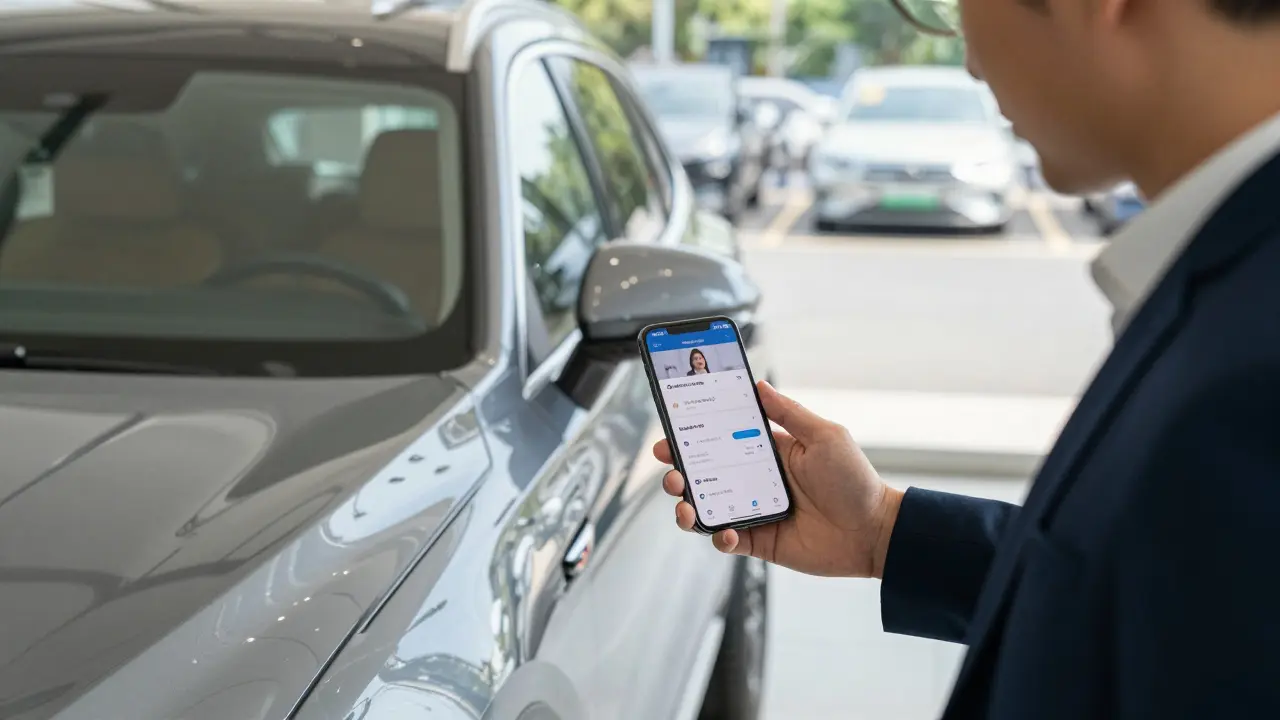
Most car dealerships still run on paper, spreadsheets, and old-school CRM tools
It’s 2026. Your sales team is on the lot, talking to customers, test-driving vehicles - but when they need to check inventory, pull financing options, or update a lead, they have to go back to the office. Or worse, they’re stuck in their car scrolling through a clunky desktop website on a tablet. That’s not just inefficient - it’s costing you sales. Customers today expect instant answers. They want to know if a car is available, what the trade-in offer is, and how much the monthly payment would be - all while standing next to the vehicle. If your team can’t deliver that in real time, they’re losing to dealerships who can.
Mobile-first isn’t just about having an app - it’s about redesigning how sales happens
Mobile-first dealership management means building every sales process around the phone. Not as an afterthought. Not as a side feature. But as the main tool. Think about it: your sales reps spend 80% of their time outside the office. They’re at trade shows, on the phone with customers, at pickup locations, or walking the lot. Their phone is their workstation. So why are they still relying on desktop systems that don’t work well on small screens?
A mobile-first system gives them instant access to:
- Real-time inventory with photos, VINs, and pricing
- Customer history - past purchases, service records, preferences
- Financing pre-approvals pulled from lenders in under 90 seconds
- Trade-in valuations using current market data from Kelley Blue Book and Manheim
- Electronic signatures for contracts and disclosures
One dealership in Phoenix switched to a mobile-first CRM in late 2025 and saw their average deal time drop from 4.2 days to 1.8 days. Why? Because reps no longer had to chase down paperwork. They closed deals right there on the lot.
What breaks when you don’t go mobile-first
Old systems were built for the 1990s - when sales reps sat at desks, called customers from landlines, and updated ledgers by hand. Today, those systems create friction at every step.
Here’s what happens when your tools aren’t mobile-ready:
- Delayed follow-ups: A customer texts a question at 7 p.m. Your rep doesn’t see it until the next morning. By then, they’ve already talked to three other dealers.
- Lost leads: A buyer says they’ll think about it. You don’t have their contact info synced to your phone. You forget to call back.
- Inconsistent pricing: One rep quotes $28,900. Another says $29,200. Why? Because the inventory system wasn’t updated in real time.
- Manual data entry: Reps write down notes on napkins or sticky notes. Later, someone has to retype it into the system. Errors happen. Leads vanish.
These aren’t small annoyances. They’re revenue leaks. A 2025 study by AutoWeb found that 63% of car buyers who experienced delays in follow-up or pricing confusion walked away - even if they loved the car.

How top dealerships are using mobile tools today
Look at the leaders. Dealerships like CarMax, Lithia Motors, and even smaller independent shops are using mobile tools in ways that make their sales teams unstoppable.
At a family-owned dealership in Ohio, sales reps use a custom app that pulls live data from their DMS (Dealer Management System) and syncs with their Google Calendar. When a customer books a test drive, the rep gets a push notification with the buyer’s name, phone number, preferred vehicle, and past service history - all before they even step out the door.
Another dealer in Texas uses facial recognition tech on their mobile app to identify returning customers. When someone walks onto the lot, the rep’s phone buzzes: “Lisa Johnson - bought a 2022 Camry in 2023. Interested in electric SUVs.” That’s not magic. That’s smart mobile integration.
And then there’s the trade-in process. Instead of sending customers to the finance office for a 20-minute valuation, reps now use their phone to take three photos of the car, answer a few questions about mileage and condition, and get an instant offer - backed by real auction data - within 45 seconds. Customers love it. They feel respected. And reps close 30% more trade-ins.
What to look for in mobile dealership software
Not all mobile tools are created equal. Here’s what actually works:
- Offline access: Reps need to view inventory, customer profiles, and pricing even when they’re in a garage with no signal. The best systems cache data locally and sync when connection returns.
- One-tap actions: Can they send a quote with one tap? Can they schedule a follow-up without opening three menus? If it takes more than two taps, it’s too slow.
- Integration with your DMS: If your CRM doesn’t talk to your inventory system, your finance portal, and your marketing tools - you’re still running two businesses.
- Role-based permissions: Sales reps shouldn’t see payroll data. Finance staff shouldn’t be able to change vehicle pricing. Permissions must be tight and clear.
- Push notifications: Alerts for new leads, expiring warranties, or customer birthdays? Yes. These small touches build loyalty.
Don’t get fooled by flashy interfaces. Test the software. Have your top salesperson use it for a week. If they complain about lag, confusing menus, or too many clicks - walk away.
Training your team to use mobile tools - not just install them
Buying software won’t fix your sales process. Changing habits will.
Many dealerships spend $20,000 on a mobile CRM and then hand out phones with no training. Two weeks later, half the team is back to using paper. Why? Because they don’t know how to use it, or they think it’s extra work.
Successful dealerships do three things:
- Start with a champion: Pick one sales rep who loves tech. Give them early access. Let them train others. People listen to peers more than managers.
- Make it part of the daily routine: Don’t say “use the app.” Say “before you leave for the lot, check your leads in the app. Update your notes after every test drive.”
- Measure what matters: Track how many quotes are sent from the app. How many contracts are signed digitally. How many leads are followed up within 15 minutes. Reward results, not effort.
At a dealership in Oregon, they started giving $50 gift cards to the rep who closed the most deals using the mobile system each week. Within six weeks, mobile usage jumped from 42% to 89%.
The hidden benefit: happier customers, less stress
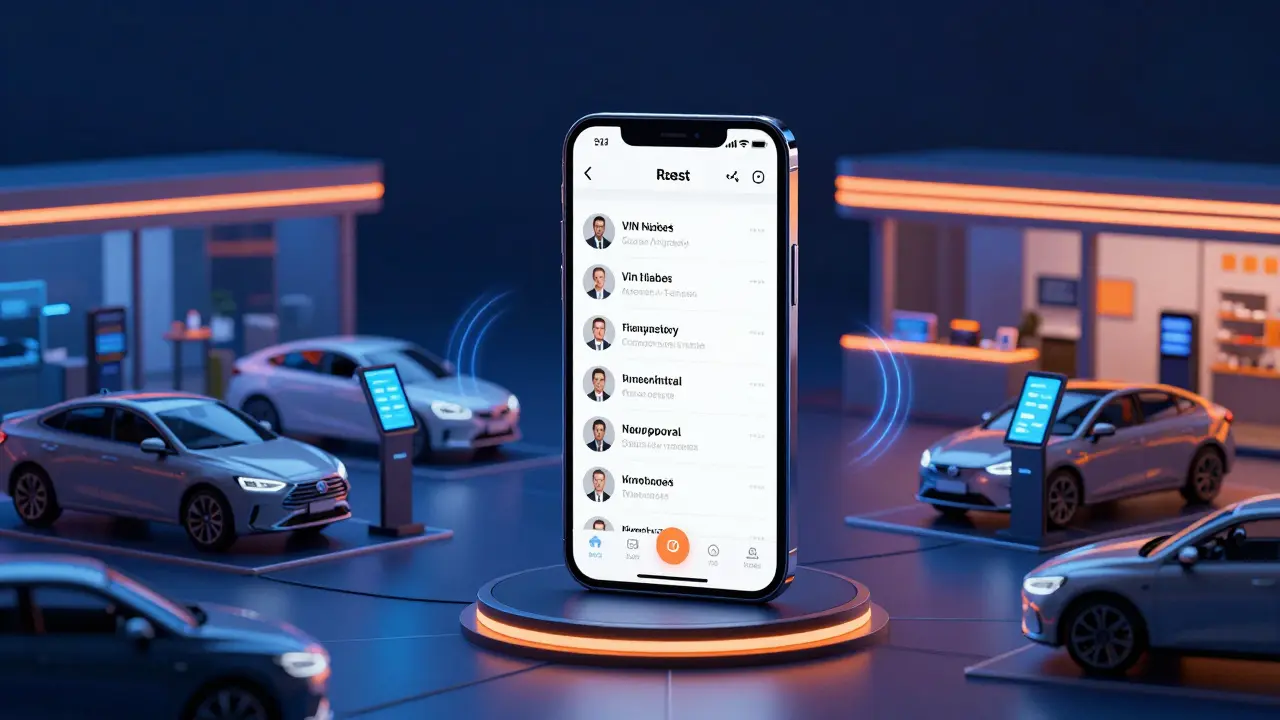
Mobile-first isn’t just about closing more cars. It’s about reducing frustration - for your team and your customers.
Think about the last time you went to a car dealership. You asked a question. The rep said, “Let me check.” Then they disappeared for ten minutes. You sat there wondering if they forgot you. That’s not trust. That’s anxiety.
With mobile tools, reps answer on the spot. They show you the exact car. They pull your trade-in value instantly. They email you the contract before you even leave the lot. That’s confidence. That’s experience.
And for your sales team? They’re not drowning in paperwork. They’re not running back to the office. They’re out there, talking to people, building relationships. That’s why top performers stay. That’s why turnover drops.
Where to start - a simple 30-day plan
You don’t need to overhaul everything tomorrow. Here’s how to begin:
- Week 1: Pick one critical process - like trade-in valuation or lead follow-up - and find a mobile tool that handles it. Test it with one rep.
- Week 2: Train two more reps. Collect feedback. Fix the bugs.
- Week 3: Roll it out to the whole team. Make it mandatory for all new leads.
- Week 4: Review results. How many more deals closed? How much time saved? Share the wins.
Don’t wait for perfect. Just start. The best mobile systems evolve. Your team will adapt. Your customers will notice.
Mobile-first isn’t optional anymore
Customers aren’t waiting for you to catch up. They’re buying from dealerships that meet them where they are - on their phones, in their cars, at their kitchen tables. If your sales team is still stuck in the past, you’re not just falling behind. You’re becoming irrelevant.
The tools exist. The data is there. The customers are ready. All you need to do is put the phone in your sales rep’s hand - and trust them to use it.
Do I need to buy new phones for my sales team?
No. Most modern mobile dealership apps work on any iPhone or Android phone from the last five years. You don’t need to upgrade hardware unless your current phones are slow, cracked, or frequently die during the day. Focus on software that runs smoothly on older devices - that’s what most dealerships use.
Can mobile tools replace my current DMS?
Not replace - integrate. Your DMS (like CDK, Reynolds, or NADA) is still your central hub for accounting, inventory, and reporting. Mobile tools connect to it. They give your team real-time access to the same data - just from their phone. Think of it as a powerful app that lives on top of your existing system.
Is mobile-first software secure?
Yes - if you choose the right one. Look for vendors that use end-to-end encryption, multi-factor authentication, and comply with the GLBA (Gramm-Leach-Bliley Act) for financial data. Avoid apps that store customer data locally on the phone without encryption. Reputable providers like Dealertrack, VinSolutions, and Autoline offer bank-level security.
How much does mobile dealership software cost?
Most platforms charge $150-$400 per user per month, depending on features. Some include it in your DMS subscription. Others charge extra. The average dealership spends about $2,500-$5,000 a year on mobile tools for a team of 10. That’s less than the cost of one missed sale per month.
What if my sales team resists using the app?
Resistance usually comes from bad design or poor training. Don’t force it. Start with a small group. Show them how it saves time - like cutting 20 minutes off every trade-in or closing a deal without printing 12 pages. Let them see the results. Then reward early adopters. People follow what’s easy and what pays off.



Gareth Hobbs
January 31, 2026 AT 04:53Zelda Breach
February 1, 2026 AT 02:24Alan Crierie
February 2, 2026 AT 02:17Nicholas Zeitler
February 3, 2026 AT 23:34Teja kumar Baliga
February 4, 2026 AT 01:40k arnold
February 4, 2026 AT 11:09Tiffany Ho
February 6, 2026 AT 04:12michael Melanson
February 7, 2026 AT 19:16lucia burton
February 9, 2026 AT 08:55