Bad Used Car Signs: How to Spot Trouble Before You Buy
When you’re looking at a bad used car signs, visible and hidden warning indicators that point to costly repairs or safety risks in a pre-owned vehicle. Also known as used car red flags, these are the clues mechanics and experienced buyers watch for before handing over cash. Too many people focus on how the car looks on the lot—clean interior, shiny paint, nice wheels—and ignore what’s happening under the hood or behind the panels. A car that drives fine at first might be hiding a failing transmission, rusted frame, or tampered odometer. You don’t need to be a mechanic to spot these issues. You just need to know what to look for.
One of the most common used car inspection, a systematic check of a vehicle’s condition before purchase to uncover hidden problems mistakes is skipping the test drive. It’s not enough to just drive around the block. Listen for knocking sounds from the engine, check if the brakes squeal or pull to one side, and feel for vibrations when you accelerate. A car that runs smoothly at idle might shudder under load. Also, check the vehicle condition, the overall state of a car’s mechanical, structural, and cosmetic components by looking under the hood. Is the oil milky or thick? That’s coolant mixing with oil—a sign of a blown head gasket. Are there oil leaks under the car? That’s not normal wear, that’s money walking out the door. Even the smell matters. A musty odor inside could mean water damage from flooding, which ruins electronics and causes mold that’s expensive to remove.
Don’t forget the paperwork. A clean title doesn’t always mean a clean car. Some sellers hide salvage titles by re-registering the vehicle in another state. Ask for service records. If they can’t produce them, that’s a warning. A car with no maintenance history might have had its oil changed once in ten years—or never. And while you’re at it, check for mismatched panels or uneven gaps between doors and fenders. That’s often a sign of past accident repair. The bad used car signs aren’t always loud. Sometimes they’re quiet—like a check engine light that was cleared right before you showed up. Or a tire that’s worn unevenly because the alignment was never fixed. These aren’t just inconveniences. They’re financial traps.
You’ll find real stories below—from people who bought a car thinking it was a deal, only to face a $4,000 repair bill a month later. Others saved thousands by spotting a single clue: a strange smell, a loose bolt, a mismatched VIN sticker. These aren’t guesswork tips. They’re patterns seen over thousands of inspections. Whether you’re buying from a dealer or a private seller, the same rules apply. Don’t rush. Don’t trust smiles. Trust what you can see, hear, and prove. What follows is a collection of real-world cases, fixes, and red flags that actually matter. No fluff. Just what you need to avoid walking into a money pit.
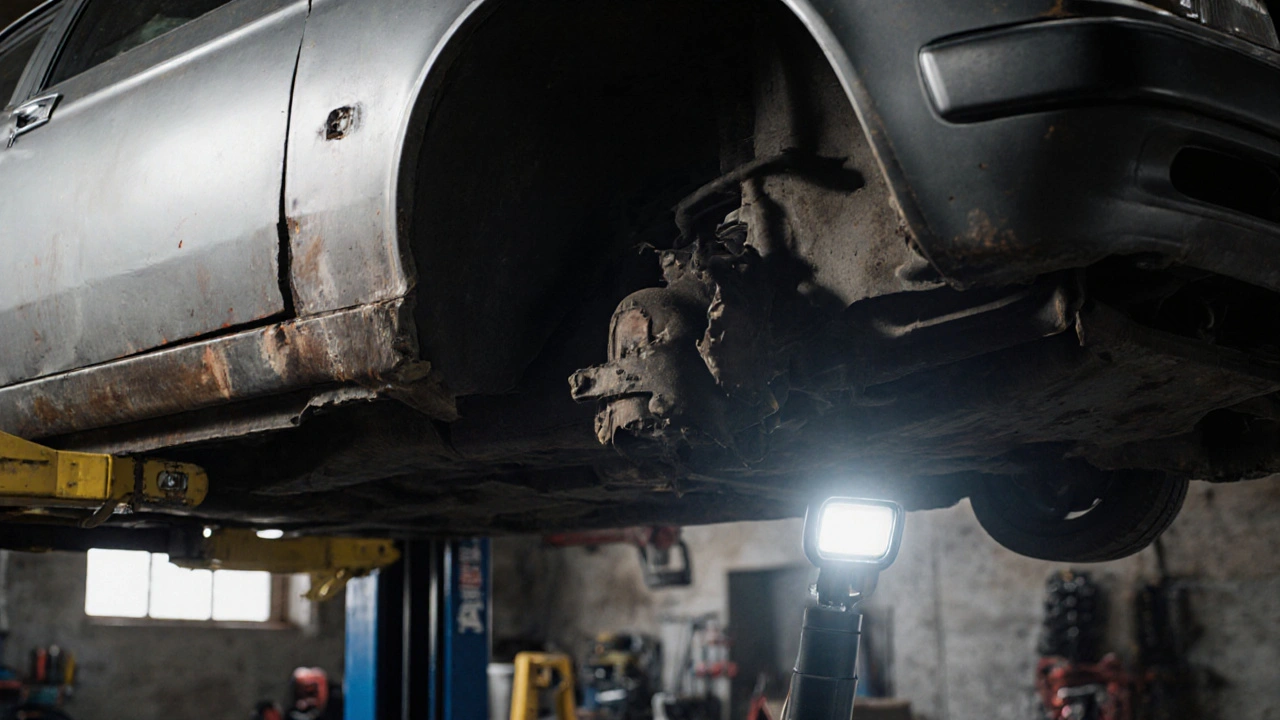
When to Walk Away from a Used Car: Deal-Breaker Issues
- 10 Comments
- Nov, 29 2025
Learn the top deal-breaker issues to watch for during a used car inspection. Avoid costly repairs and safety risks by knowing when to walk away from a bad used car.