British vs Italian Motorcycles: Differences in Design, Performance, and Culture
When you think of British motorcycles, a tradition of sturdy, no-nonsense machines built for real roads and long-distance riding. Also known as classic British bikes, they’re the kind of machines that keep running for decades with basic care—think Triumph, Norton, and Royal Enfield. On the other side of the fence, Italian motorcycles, high-strung, emotionally charged machines designed to turn heads and push limits. Also known as Italian superbikes, they’re built for drama, speed, and that unmistakable roar—Ducati, MV Agusta, and Aprilia are the names that come to mind. These two styles aren’t just about brands. They represent two completely different philosophies of riding.
British bikes were made for the winding A-roads of England and the long hauls across the countryside. They’re heavier, simpler, and built to last. You don’t tune a British bike for horsepower—you tune it for reliability. A 1970s Triumph Bonneville might not have the power of a modern Ducati, but it’ll still start on a cold morning after sitting for months. Italian bikes, on the other hand, are engineered like race cars for the street. Their V-twin engines scream, their frames are light and agile, and their styling screams passion over practicality. You don’t ride an Italian bike to get from point A to B—you ride it because you want to feel alive.
That difference shows up in how they’re maintained, too. British bikes often need more frequent adjustments—chain tension, carburetor tuning, points ignition—but parts are cheap and easy to find. Italian bikes demand precision. A Ducati’s desmodromic valve system isn’t something you fix with a wrench and a prayer. It needs the right tools, the right knowledge, and sometimes, a professional. But when it’s running right, there’s nothing else like it.
And then there’s the culture. British riders tend to be quiet, patient, and loyal. They join clubs, restore old bikes in garages, and take pride in keeping history alive. Italian riders? They’re the ones posting videos of their bikes leaning into mountain corners, racing through city streets, and turning heads at every stoplight. One isn’t better than the other. They just serve different kinds of riders.
You’ll find posts here that dig into real-world differences—how ECU remapping affects a British twin versus an Italian V-twin, why motorcycle insurance costs vary between the two, and what kind of roadside assistance you’ll need if you’re riding a Ducati in the Alps versus a Triumph on the backroads. We cover safety gear that works for both, how resale value differs, and even how maintenance records can make or break a warranty claim on either type. Whether you’re drawn to the quiet grit of a British classic or the fiery thrill of an Italian machine, this collection gives you the facts you need to ride smarter.
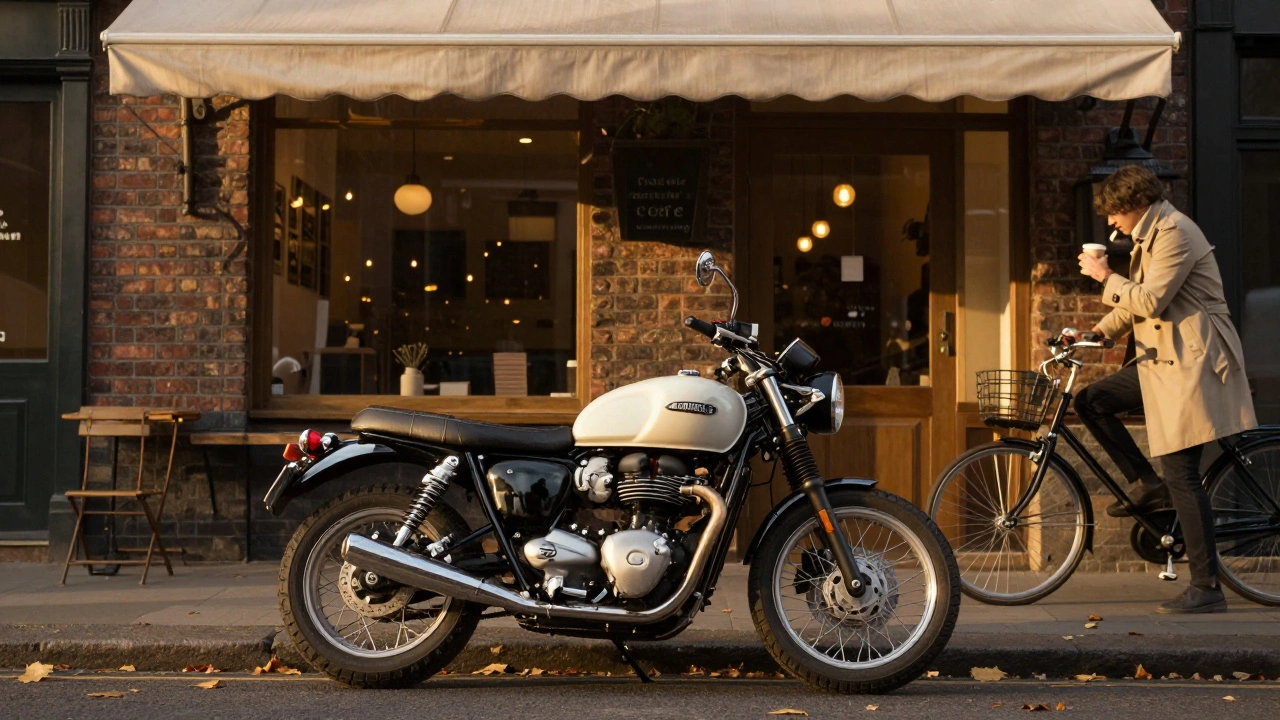
Retro Roadsters Compared: Triumph Bonneville vs. Moto Guzzi V7
- 9 Comments
- Dec, 6 2025
Compare the Triumph Bonneville and Moto Guzzi V7-two modern retro roadsters with British polish and Italian soul. See which one fits your ride style, budget, and riding goals.