Car Buying Mistakes: Avoid Costly Errors When Purchasing a Vehicle
When you make a car buying mistake, a poor decision during vehicle purchase that leads to financial loss or mechanical headaches. Also known as auto purchase error, it’s not just about picking the wrong color—it’s about overlooking hidden costs, skipping inspections, or misunderstanding warranties. Too many people focus only on the monthly payment or the sticker price, then get blindsided by repairs, depreciation, or warranty denials. The truth? The real cost of a car doesn’t start when you drive it off the lot—it starts the moment you sign the paperwork.
One of the biggest car depreciation, how quickly a vehicle loses value after purchase killers is buying a car without checking its service history. You might think a low-mileage used SUV is a steal, but if it never got oil changes or had its transmission fluid replaced, you’re buying a ticking time bomb. That’s why maintenance records, documented proof of regular vehicle care used to validate warranty claims matter more than you think. Dealers and private sellers won’t always hand them over, but if you don’t ask, you’re setting yourself up for a car warranty, a financial guarantee covering repairs for specific parts over a set period denial later on. And don’t assume all extended warranties are equal—third-party plans vary wildly in coverage, and some outright refuse to pay unless you’ve kept every single receipt.
Then there’s the total cost of ownership, the full financial burden of owning a car including insurance, fuel, repairs, and depreciation. Most buyers never calculate this. They see a $20,000 price tag and think they’re saving money over a $30,000 new car. But if that used car guzzles gas, needs new brakes every 20,000 miles, and has $1,200 in annual insurance, you’re paying more than you realize. Cars like Toyotas and Hondas keep their value because they’re cheap to run and fix. Meanwhile, flashy models with complex tech often cost more to repair than they’re worth after five years. You don’t need a luxury SUV to impress people—you just need a car that won’t drain your bank account every time you fill up.
And don’t forget: your credit score, trade-in value, and financing terms all play into whether you’re getting a good deal or a trap. A high monthly payment might feel manageable now, but if you lose your job or face an unexpected repair, you could end up in loan default, failing to make required car payments, leading to repossession and credit damage. That’s why knowing how to calculate what you can truly afford—not what the salesperson says you can afford—is the difference between owning a car and being owned by it.
Below, you’ll find real stories and practical guides from people who’ve been there—what went wrong, what they learned, and how to avoid the same traps. Whether you’re looking at a used compact SUV, a hybrid, or a truck for overlanding, these posts give you the facts you won’t get from a dealership’s glossy brochure.
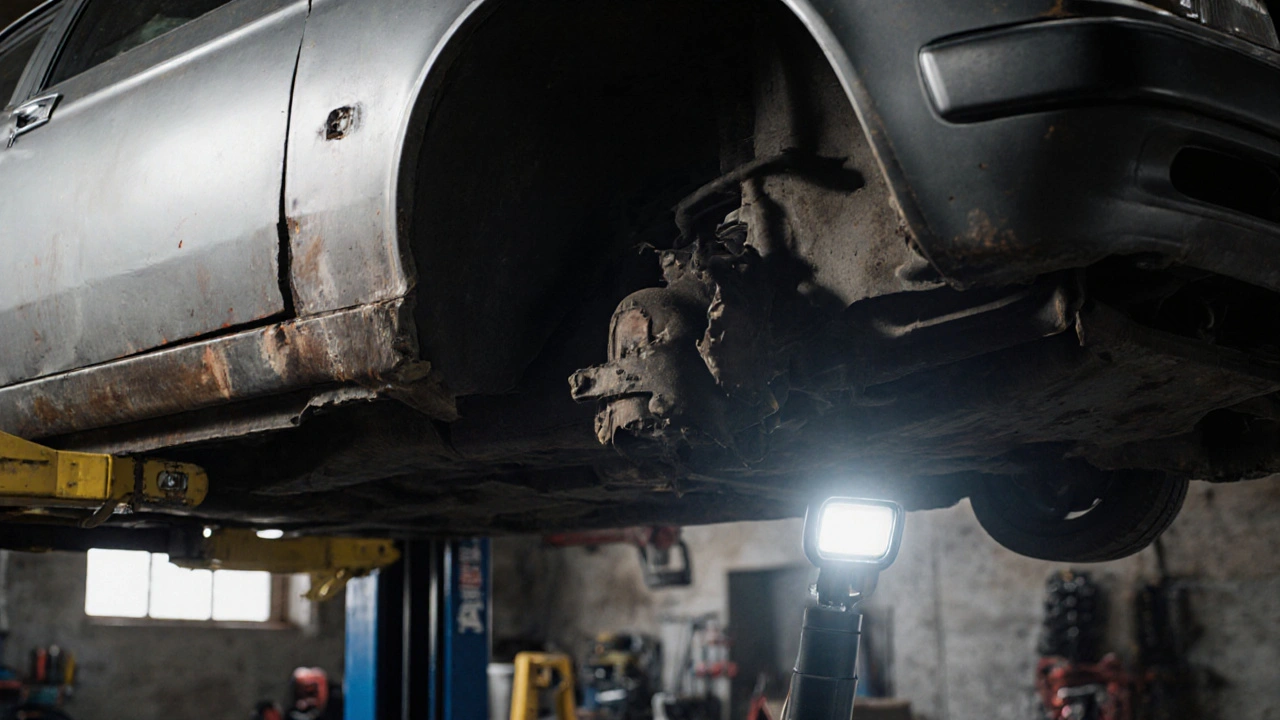
When to Walk Away from a Used Car: Deal-Breaker Issues
- 10 Comments
- Nov, 29 2025
Learn the top deal-breaker issues to watch for during a used car inspection. Avoid costly repairs and safety risks by knowing when to walk away from a bad used car.