Deal-Breaker Car Issues: Common Failures That Can Cost You Thousands
When you’re shopping for a used car, a clean exterior and smooth start can trick you into thinking everything’s fine. But deal-breaker car issues, major mechanical or structural problems that make a vehicle unsafe or too expensive to fix don’t show up on a test drive. These aren’t minor glitches—they’re the kind of failures that cost more than the car is worth. A blown transmission, a cracked engine block, or rust that’s eaten through the frame won’t just ruin your budget—they can leave you stranded, unsafe, or stuck with a car no shop will touch.
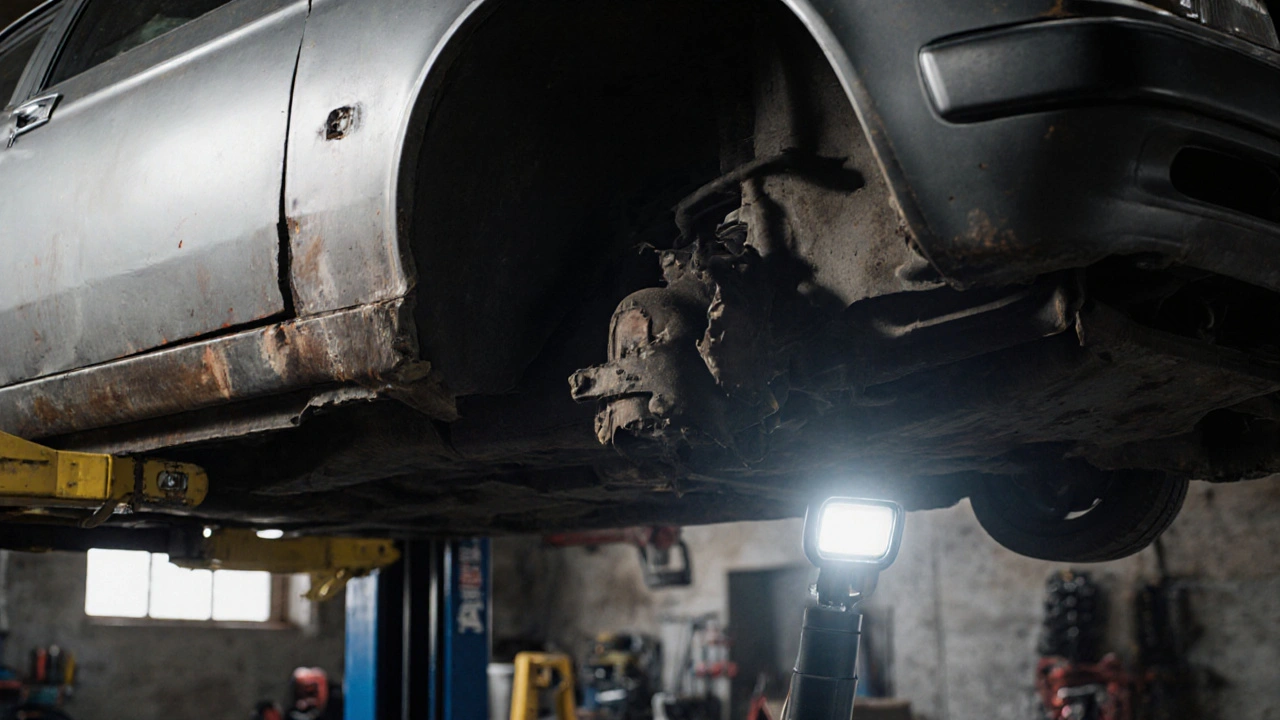
Many buyers focus on the engine or transmission, but the real deal-breaker car issues often hide in plain sight. Look for signs of water damage in the cabin—moldy carpets, musty smells, or rust on seat bolts. That could mean the car sat in a flood, and the electronics, airbags, or computer systems are ticking time bombs. Then there’s frame rust. Modern cars don’t have solid steel frames like old trucks, but if the unibody is corroded near suspension mounts or wheel wells, the car’s structural integrity is compromised. That’s not a repair—it’s a total loss. And don’t ignore the timing belt or chain. If it’s never been replaced and the engine’s over 80,000 miles, you’re playing Russian roulette. A snapped timing belt can destroy the engine in seconds.
Some deal-breaker car issues are tied to how the car was driven or maintained. A car with a history of short trips and no oil changes will have sludge buildup that kills the engine. A vehicle that’s been slammed over curbs or potholes might have bent suspension parts that cause uneven tire wear and bad handling. Even something as simple as a replaced airbag can be a red flag—if the airbag light stays on, it means the system isn’t working, and you’re driving blind in a crash. And if the car’s been in an accident and the repair shop used cheap parts or didn’t realign the frame, you’re not getting a safe car—you’re getting a liability.
These problems don’t always show up on a Carfax report. A seller might say the car was "serviced regularly," but without records, you’re trusting words. That’s why checking for maintenance records matters. A car with full service history is less likely to have hidden failures. And if the seller can’t produce them, that’s a warning sign right there. Same goes for vehicle data privacy tools—some modern cars store repair history in their onboard computers. A mechanic with a scan tool can pull that data and tell you if the engine has been reset, if the odometer was rolled, or if the transmission has been replaced.
It’s not about being paranoid. It’s about being smart. The cheapest car you buy today could cost you $10,000 in repairs next year if you miss one of these deal-breaker issues. That’s why we’ve collected real stories, real fixes, and real red flags from mechanics, owners, and inspectors who’ve seen it all. Below, you’ll find posts that break down exactly what to look for—whether it’s ABS sensor failures, transmission leaks, or rust that’s eating a truck from the inside out. These aren’t theoretical warnings. These are the problems that make people regret their purchase. Don’t be one of them.
When to Walk Away from a Used Car: Deal-Breaker Issues
- 10 Comments
- Nov, 29 2025
Learn the top deal-breaker issues to watch for during a used car inspection. Avoid costly repairs and safety risks by knowing when to walk away from a bad used car.