Hybrid Tips: Smart Ways to Save Fuel and Extend Your Hybrid Car's Life
When you drive a hybrid car, a vehicle that combines a gasoline engine with an electric motor to improve fuel efficiency and reduce emissions. Also known as gas-electric vehicle, it doesn’t just save you money at the pump—it changes how you think about driving. But owning one isn’t just about letting the car do the work. The real savings come from how you drive and maintain it.
One of the biggest mistakes hybrid owners make is treating it like a regular gas car. hybrid battery care, the practice of maintaining the battery’s health through driving habits and charging routines matters more than you think. Cold weather? Avoid long idling. Hot climate? Park in the shade. Both extremes drain battery life faster. And don’t let your car sit for weeks—short trips without reaching optimal temperature can actually harm the battery over time. The battery isn’t something you replace every five years like an oil filter. With the right habits, it can last the life of the car.
fuel efficiency, how far your car travels per gallon of fuel, especially important in hybrids where small changes make big differences isn’t just about the car’s tech—it’s about you. Gentle acceleration, coasting to stops instead of braking hard, and using cruise control on highways all add up. One driver in Ohio cut their fuel use by 22% just by adjusting how they pressed the gas pedal. No new car needed. No expensive upgrade. Just smarter driving. And don’t forget tire pressure. Underinflated tires can drop your hybrid’s efficiency by as much as 3%, which is like paying extra for every fill-up.
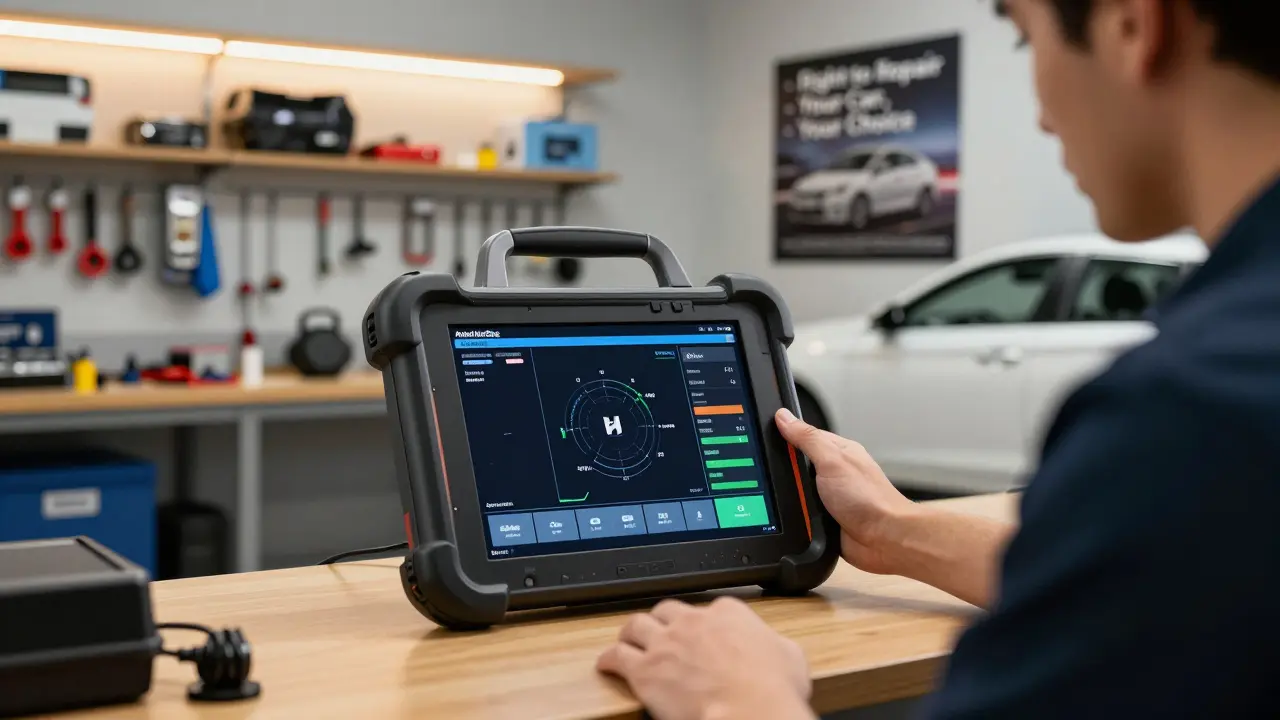
Some hybrid owners skip regular maintenance because they think, "It’s electric, so it doesn’t need oil changes." But your hybrid still has a gasoline engine, brake pads, air filters, and coolant systems. Skipping oil changes or ignoring brake wear doesn’t save money—it costs you more later. Hybrid regenerative braking reduces wear, but it doesn’t eliminate it. Check your owner’s manual. Follow the schedule. Keep records. That’s not just good advice—it’s how you protect your warranty.
And then there’s the electric vehicle driving, the experience of using the electric-only mode, regenerative braking, and energy flow displays to maximize efficiency. Most hybrids show you real-time energy use—use it. Watch when the car switches from electric to gas. Learn the speed range where electric mode works best. That’s usually between 25 and 45 mph on flat roads. If you’re cruising at 60 mph on the highway, you’re mostly using gas. Slow down a little, and you might stay in electric longer.
Hybrid tips aren’t about complicated hacks or expensive gadgets. They’re about paying attention. Knowing when your car is using electricity versus gas. Keeping tires properly inflated. Avoiding aggressive driving. Staying on top of basic maintenance. These aren’t secrets. They’re just habits most people never bother to form.
Below, you’ll find real guides from drivers who’ve cracked the code on saving fuel, avoiding costly repairs, and making their hybrids last longer. No fluff. No theory. Just what works on the road, day after day.
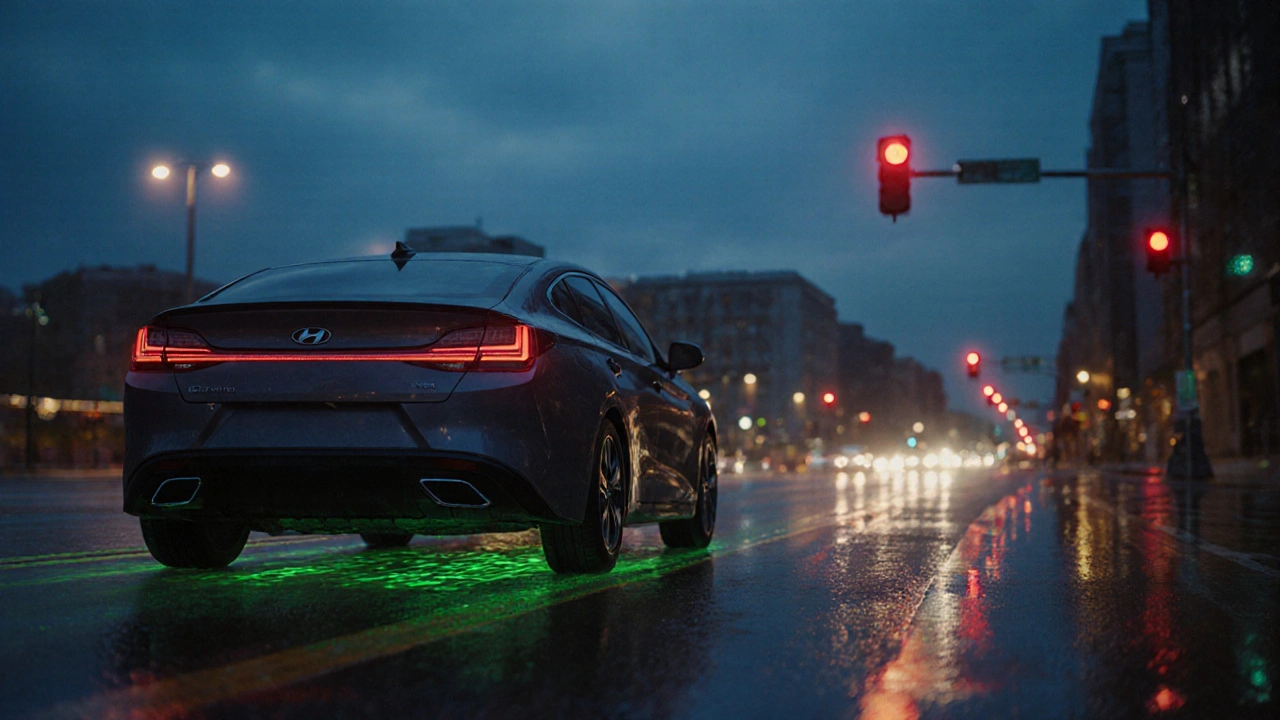
Hybrid Driving Tips: Master Regenerative Braking and Coasting for Better Fuel Economy
- 10 Comments
- Nov, 18 2025
Learn how to use regenerative braking and coasting to boost your hybrid's fuel economy by up to 25%. Simple driving habits that save money and reduce wear on your brakes.