Lean Mixture: What It Is, Why It Matters, and How It Affects Your Engine
When your engine runs on a lean mixture, a condition where there’s more air than the ideal amount of fuel in the combustion chamber. Also known as air-fuel ratio imbalance, it’s one of the most common—but often misunderstood—issues that hurt performance and damage engines over time. This isn’t just about fuel economy. A lean mixture forces your engine to burn hotter, stresses components like valves and pistons, and can lead to serious damage if ignored.
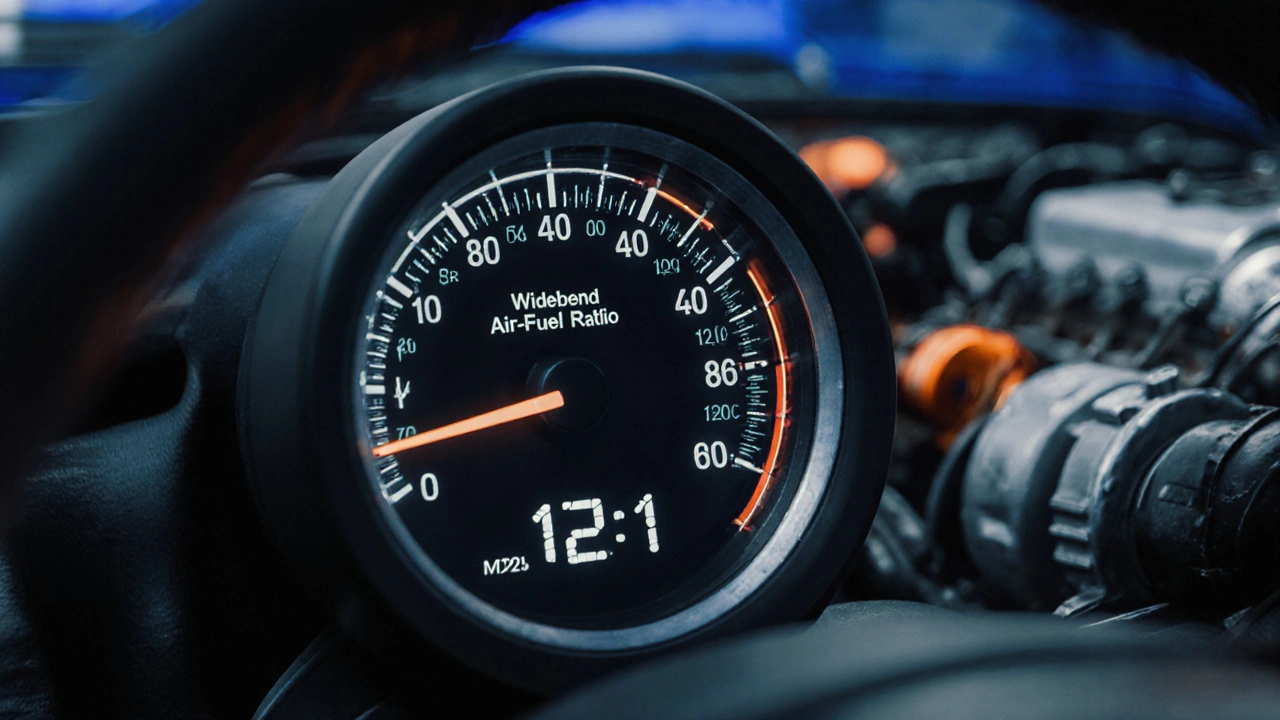
The air-fuel ratio, the exact proportion of air to fuel entering the engine is critical. Most gasoline engines run best around 14.7:1—14.7 parts air to 1 part fuel. Go above that, and you’re running lean. Common causes include a dirty mass airflow sensor, a vacuum leak, a failing fuel pump, or a clogged fuel filter. You might notice symptoms like hesitation during acceleration, misfires, or a check engine light with codes like P0171 or P0174. These aren’t random glitches—they’re signs your engine isn’t getting enough fuel to burn cleanly.
Many people think running lean saves gas, but that’s a myth. Sure, you might get a temporary spike in miles per gallon, but you’re trading long-term reliability for a few extra miles. Over time, the extra heat from incomplete combustion can warp valves, crack pistons, or even melt the exhaust valves entirely. And if you’ve ever tuned a carburetor or adjusted a fuel injection system, you know how delicate this balance is. A small mistake can push your engine from efficient to endangered.
The fuel efficiency, how well your engine converts fuel into motion you get from a lean mixture isn’t worth the risk. Modern cars with electronic fuel injection try to self-correct, but older vehicles, modified engines, or poorly maintained systems often run lean without warning. Even something as simple as a cracked hose or a loose gas cap can throw off the balance. That’s why checking for vacuum leaks and replacing old sensors is one of the first things a mechanic does when an engine runs rough.
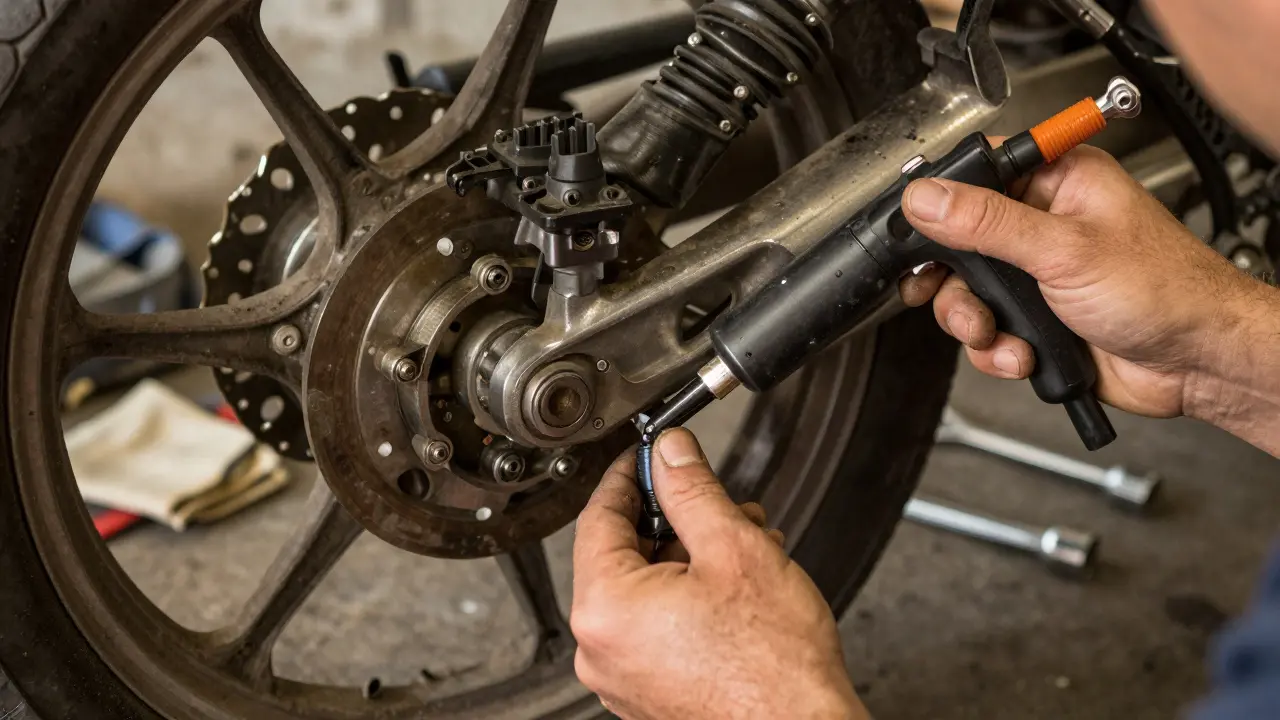
What you’ll find in the posts below isn’t a list of generic fixes. These are real-world stories and guides from people who’ve dealt with lean conditions—whether it’s a vintage motorcycle with a carburetor that won’t stay tuned, a truck losing power on the highway, or a family sedan suddenly sputtering on cold starts. You’ll see how to diagnose the problem with basic tools, what parts to check first, and how to avoid costly repairs by catching it early. No jargon. No theory. Just what works when your engine is acting up.
Air-Fuel Ratio Optimization for Performance and Efficiency in Engine Tuning
- 9 Comments
- Nov, 24 2025
Learn how to optimize air-fuel ratio for better engine performance and fuel efficiency. Understand lean vs rich mixtures, tuning tools, real-world examples, and common mistakes to avoid.