Severe Driving Conditions: How Extreme Weather and Terrain Affect Your Car
When you drive in severe driving conditions, extreme environments like heavy snow, desert dust, mountain grades, or constant stop-and-go traffic that push your vehicle beyond normal use. Also known as harsh driving environments, it doesn’t mean you’re off-roading in a Jeep—it could be your daily commute in freezing rain, hauling a trailer in 100-degree heat, or driving through sandstorms on a desert highway. Most people think their car is built for everyday use, but severe driving conditions are a whole different game. They don’t just add miles—they add stress, heat, moisture, and grit to every part of your vehicle, and not all of it shows up on the odometer.
Think about your engine, the heart of your car that works harder under load, heat, and poor air quality. In dusty areas, your air filter clogs faster. In freezing temps, oil thickens and doesn’t flow right. Towing uphill in summer? Your transmission overheats. These aren’t hypotheticals—these are real reasons why people who drive in severe driving conditions need to change fluids, inspect brakes, and check cooling systems twice as often as someone driving on smooth highways. And it’s not just the engine. Your brakes, the system that stops your car under heavy loads and steep descents wear out quicker when you’re braking constantly on mountain roads. Your tires, the only part touching the road in mud, ice, or gravel crack in cold, bulge from heat, or get shredded by rocks. Even your battery suffers—cold drains it, heat cooks it. No part is safe.
What you’ll find in this collection isn’t theory. It’s real advice from people who’ve been there: how to adjust your maintenance schedule, what to check before a long haul in the desert, why your hybrid’s regenerative brakes fail in deep snow, and how to keep your transmission alive when you’re hauling heavy loads day after day. You’ll see how maintenance records keep your warranty valid under stress, how to manage weight when you’re overlanding, and why fleet operators track every mile in extreme conditions. This isn’t about fancy upgrades—it’s about survival. If you drive in snow, sand, heat, or hills, these posts will show you exactly where your car is weakest—and how to fix it before it leaves you stranded.
Scheduled Maintenance for Severe Driving Conditions: What You Really Need to Do
- 8 Comments
- Nov, 25 2025
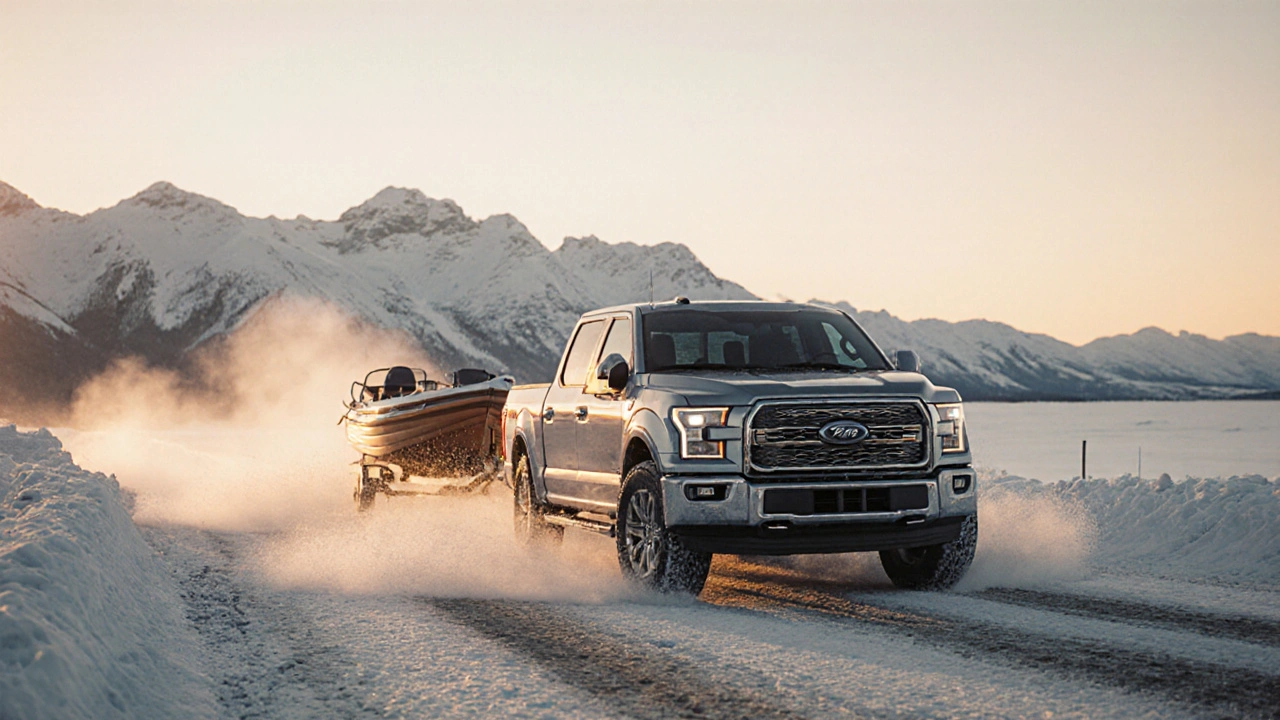
Severe driving conditions demand more than standard maintenance. Learn exactly when to change oil, transmission fluid, brakes, tires, and more to avoid costly breakdowns and extend your car's life.