Triumph Bonneville: Classic British Motorcycles and Modern Performance
When you think of Triumph Bonneville, a legendary British motorcycle known for its classic styling and air-cooled parallel-twin engine. Also known as the Bonneville T120, it's not just a bike—it's a piece of motorcycling history that still rides strong today. First introduced in 1959, the Bonneville earned its name from the Bonneville Salt Flats, where Triumph set speed records. But it wasn’t just about speed. It was about simplicity, reliability, and that unmistakable British character—chrome, twin exhausts, and a ride that feels like it’s talking to you.
Modern Bonnevilles keep that soul alive while adding updates like fuel injection, ABS, and improved suspension. They’re not built for drag strips or desert racing—they’re built for backroads, weekend cruises, and showing up at a café with style. If you’ve ever wondered why people spend hours cleaning chrome or hunting down original parts, it’s because the Triumph Bonneville, a motorcycle that blends vintage aesthetics with contemporary reliability. Also known as the modern Bonneville series, it strikes a rare balance between nostalgia and practicality. And unlike some retro bikes that feel like costumes, the Bonneville’s engineering holds up. Its 1200cc engine delivers smooth power, not raw aggression, making it ideal for riders who value feel over horsepower.
That’s why you’ll find Bonnevilles in both restoration shops and daily commuters. People tweak them with aftermarket exhausts, custom seats, and yes—even ECU remapping—to squeeze out a little more throttle response without losing that classic rumble. It’s the same reason owners care about maintenance records, proof of service that keeps warranty claims and resale value intact. Also known as service history, it. A Bonneville with clean logs sells faster and costs less to fix later. And if you’re riding one, you know that motorcycle roadside assistance, a safety net for breakdowns on long rides. Also known as motorcycle towing service, it isn’t just a luxury—it’s a necessity when you’re miles from home with a dead battery or a flat tire.
There’s a reason Bonnevilles show up in articles about air-fuel ratio optimization, fine-tuning engine performance for smoother rides and better fuel economy. Also known as lean vs rich mixture tuning, it. Even factory settings can be improved with a little know-how. And if you’ve ever stared at an ABS warning light, a signal that your wheel speed sensors or ABS module might be failing. Also known as brake system fault, it on your Bonneville, you know it’s not just a glitch—it’s a signal to check the system before it becomes a safety issue.
Whether you’re restoring a 1970s model or riding a brand-new Bonneville T100, this bike connects you to a legacy of riders who valued craftsmanship over speed. You’ll find guides here on keeping it running, upgrading it smartly, and understanding what makes it different from every other retro bike on the road. No fluff. Just real talk from people who’ve been there—fixing, riding, and loving every mile.
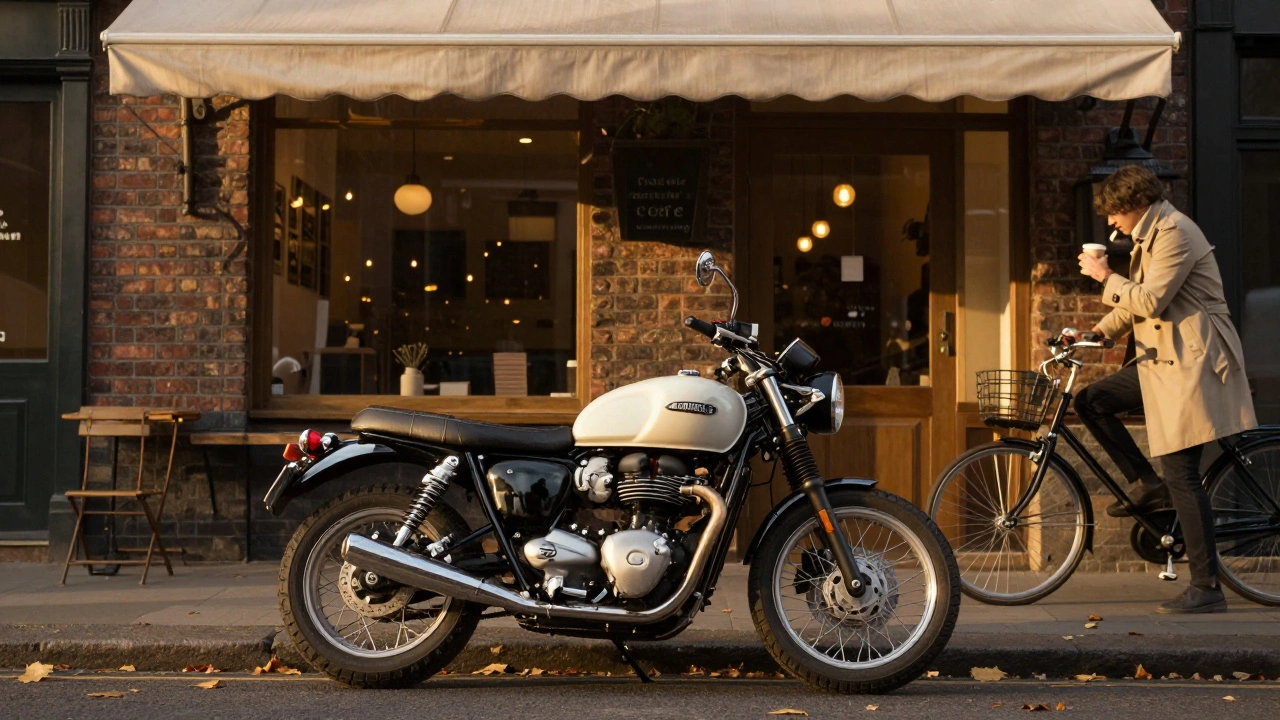
Retro Roadsters Compared: Triumph Bonneville vs. Moto Guzzi V7
- 9 Comments
- Dec, 6 2025
Compare the Triumph Bonneville and Moto Guzzi V7-two modern retro roadsters with British polish and Italian soul. See which one fits your ride style, budget, and riding goals.