Uninsured Motorist Property Damage: What to Do When the Other Driver Has No Insurance
When someone hits your car and doesn’t have insurance, you’re left dealing with a mess you didn’t cause. This is where uninsured motorist property damage, a type of car insurance coverage that pays for repairs when the at-fault driver has no policy. It’s not optional in many states, and even where it’s not required, it’s one of the smartest protections you can add to your policy. You’re not alone—nearly 1 in 8 drivers on the road are uninsured, according to the Insurance Research Council. That means if you get hit, there’s a real chance the person who caused the crash can’t pay for your bumper, fender, or headlights.
That’s where uninsured motorist coverage, the part of your policy that steps in when the other driver is at fault but has no insurance. It’s different from collision coverage, which pays regardless of who caused the crash. Uninsured motorist property damage only kicks in when the other party is legally responsible and has no insurance. It also covers damage from hit-and-runs, which is a big deal—over 300,000 hit-and-run accidents happen each year in the U.S. Most people think their comprehensive or collision coverage will handle everything, but those don’t cover the legal hassle or the fact that you might need to prove the other driver was at fault. With uninsured motorist coverage, your insurer handles the investigation and pays up to your limit, so you don’t have to chase down a driver who’s disappeared.
It’s not just about fixing your car. You also need to know what to do right after the crash. Call the police, even if the damage seems small. Get the other driver’s name, license plate, and vehicle details—even if they say they don’t have insurance. Take photos of the scene, the damage, and any visible injuries. File a report with your insurance company as soon as possible. Your insurer will need this to process your property damage claim, a formal request for reimbursement for vehicle repairs caused by an uninsured driver. Without proper documentation, your claim could be delayed or denied. Don’t accept a cash offer from the other driver on the spot. They might promise to pay later, but without insurance, they often disappear. Let your insurer handle it.
Some drivers think they’re saving money by skipping uninsured motorist coverage. But if you’ve ever had to pay $2,000 out of pocket for a repaired door because someone ran a stop sign and had no policy, you’ll know it’s not a savings—it’s a gamble. The cost of adding this coverage is usually under $50 a year in most states. For that, you get peace of mind that if the worst happens, you won’t be stuck footing the bill.
Below, you’ll find real-world guides on how to file claims, what paperwork to keep, how to deal with insurance adjusters, and what to do if the other driver tries to deny fault. These aren’t theoretical tips—they’re from drivers who’ve been there, and they’ll help you avoid the most common mistakes after an uninsured motorist crash.
Uninsured Motorist Property Damage for Motorcycles: Do You Need It?
- 13 Comments
- Dec, 3 2025
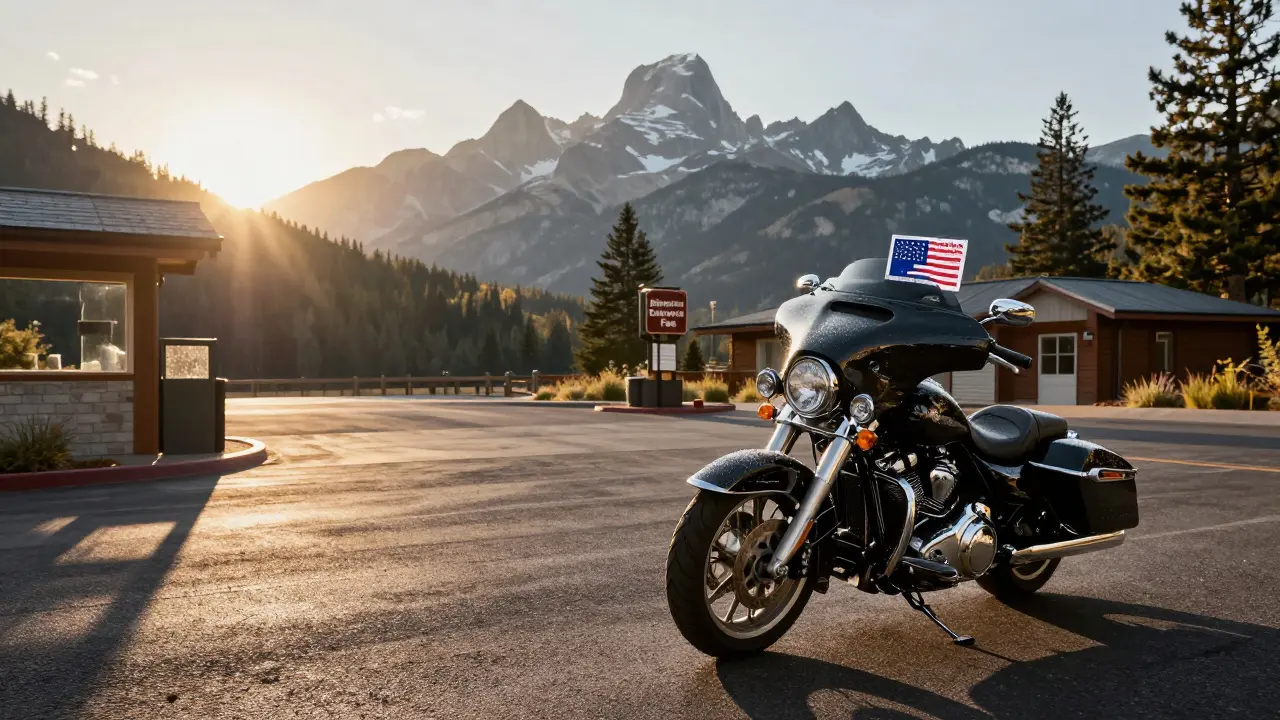
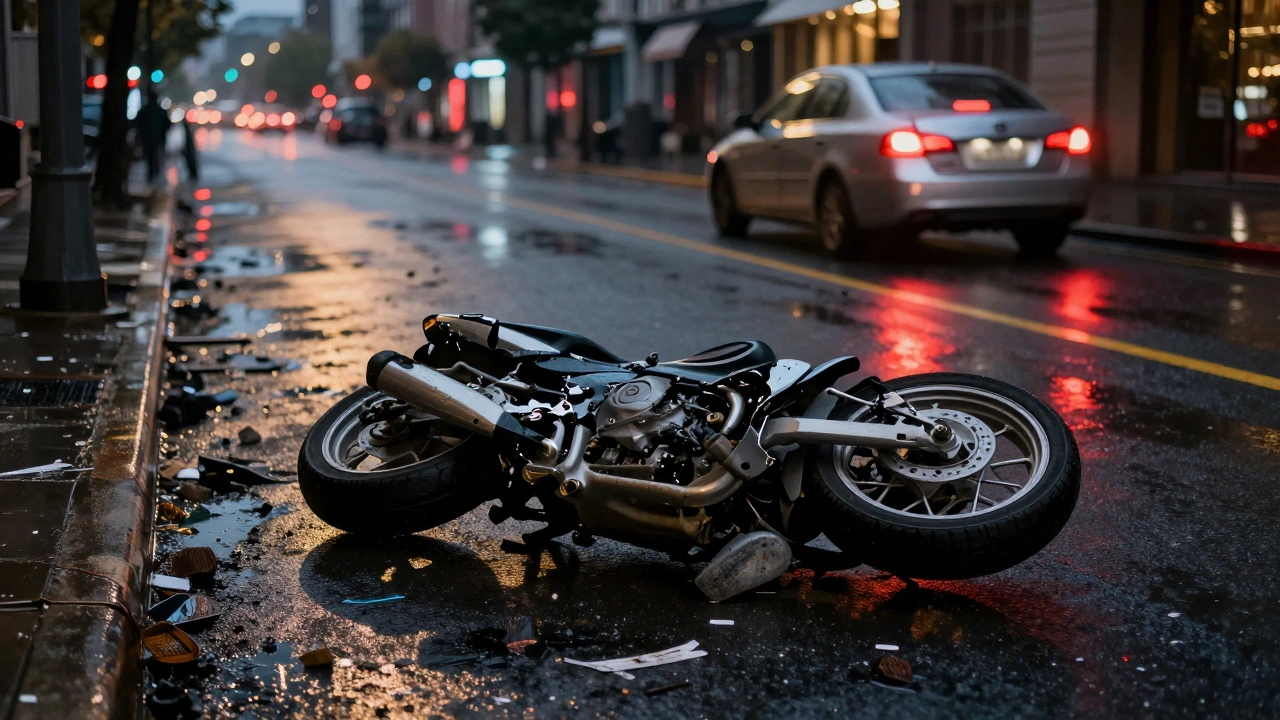
Uninsured motorist property damage protects your motorcycle if hit by an uninsured driver. Learn how it works, how much it costs, and why it's a must-have for riders-even in states where it's not required.