Used Car Red Flags: How to Spot Trouble Before You Buy
When you’re buying a used car, a vehicle previously owned and driven by someone else, often sold without factory warranty. Also known as a pre-owned car, it can save you money—but only if you avoid the hidden problems most sellers won’t tell you about. Too many buyers focus on how it looks, how it smells, or how smooth the ride feels. That’s a mistake. The real danger isn’t the dents or the worn seats—it’s what’s under the hood, behind the panels, and buried in the paperwork.
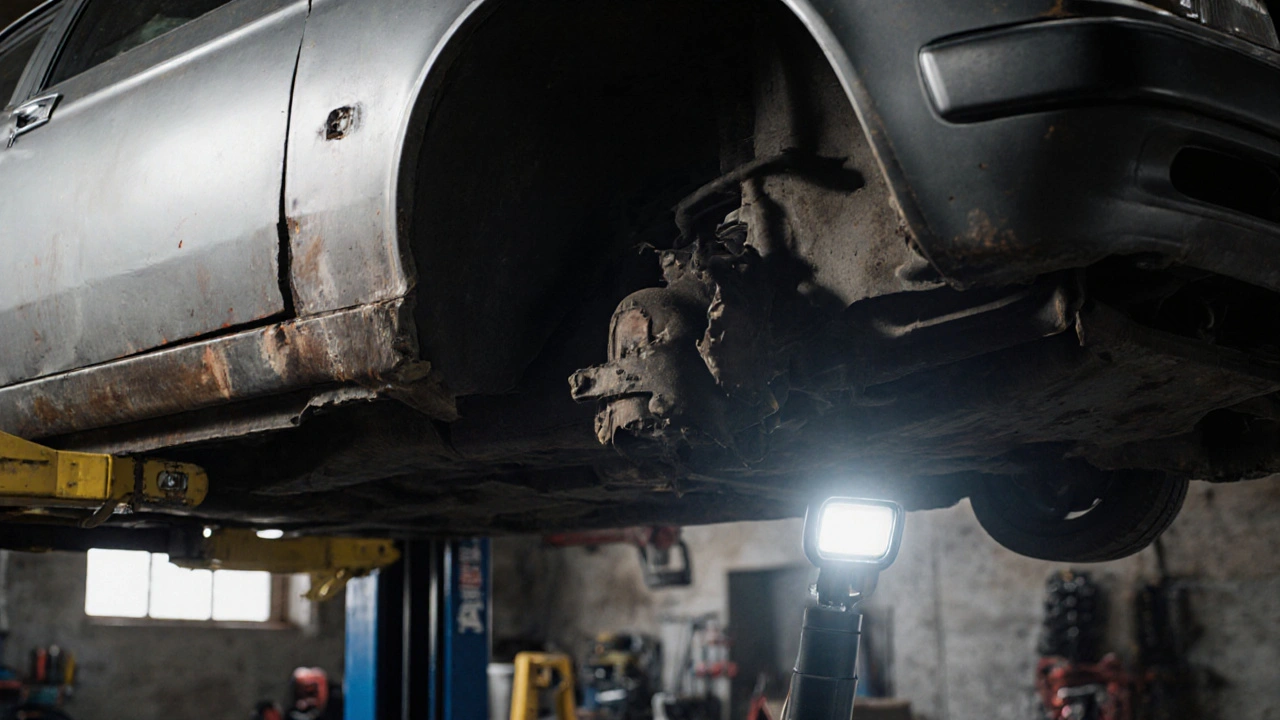
One of the biggest odometer rollback, the illegal practice of turning back a car’s mileage to make it seem newer than it is still happens more than you think. Sellers tweak the numbers to justify a higher price, but the truth shows up in brake wear, tire tread, and engine condition. A car with 60,000 miles shouldn’t have bald tires and a squeaky steering column. Another major flood damage car, a vehicle that’s been submerged in water, often from hurricanes or flash floods can look clean but rot from the inside out. Rust on bolt heads, musty carpet, or mud in the door hinges? Walk away. Water destroys electronics, upholstery, and metal silently—and repairs are rarely done right.
Then there’s the car history report, a detailed record of a vehicle’s past accidents, title status, and service events. Skip the free VIN check from a random website. Pay for a Carfax or AutoCheck. A clean title doesn’t mean clean history. Salvage titles, lemon law buybacks, and frame damage often get washed out by shady dealers. And don’t trust the seller’s word on maintenance. If they can’t show you receipts for oil changes, timing belts, or brake work, assume it wasn’t done. That’s not just a risk—it’s a financial trap waiting to explode.
Under the hood, listen for knocking, hissing, or ticking. Smell for burnt oil or sweet syrup—signs of a blown head gasket. Check the exhaust: thick black smoke means the engine’s burning too much fuel. White smoke? Coolant’s leaking into the cylinders. These aren’t minor fixes. They’re $3,000 to $8,000 problems hiding behind a $10,000 price tag. Even the smallest things matter. A mismatched door panel, uneven tire wear, or mismatched bolts can point to a past crash that was poorly repaired. And if the seller refuses a pre-purchase inspection? That’s not a red flag—it’s a full-blown siren.
You don’t need to be a mechanic to spot these issues. You just need to know what to look for. The posts below give you real, practical checks you can do yourself—from how to test the transmission to what to ask when you pull up the car’s service records. You’ll find guides on decoding VINs, understanding title brands, and spotting tampered parts. No fluff. No theory. Just the exact signs that separate a good deal from a money pit.
When to Walk Away from a Used Car: Deal-Breaker Issues
- 10 Comments
- Nov, 29 2025
Learn the top deal-breaker issues to watch for during a used car inspection. Avoid costly repairs and safety risks by knowing when to walk away from a bad used car.