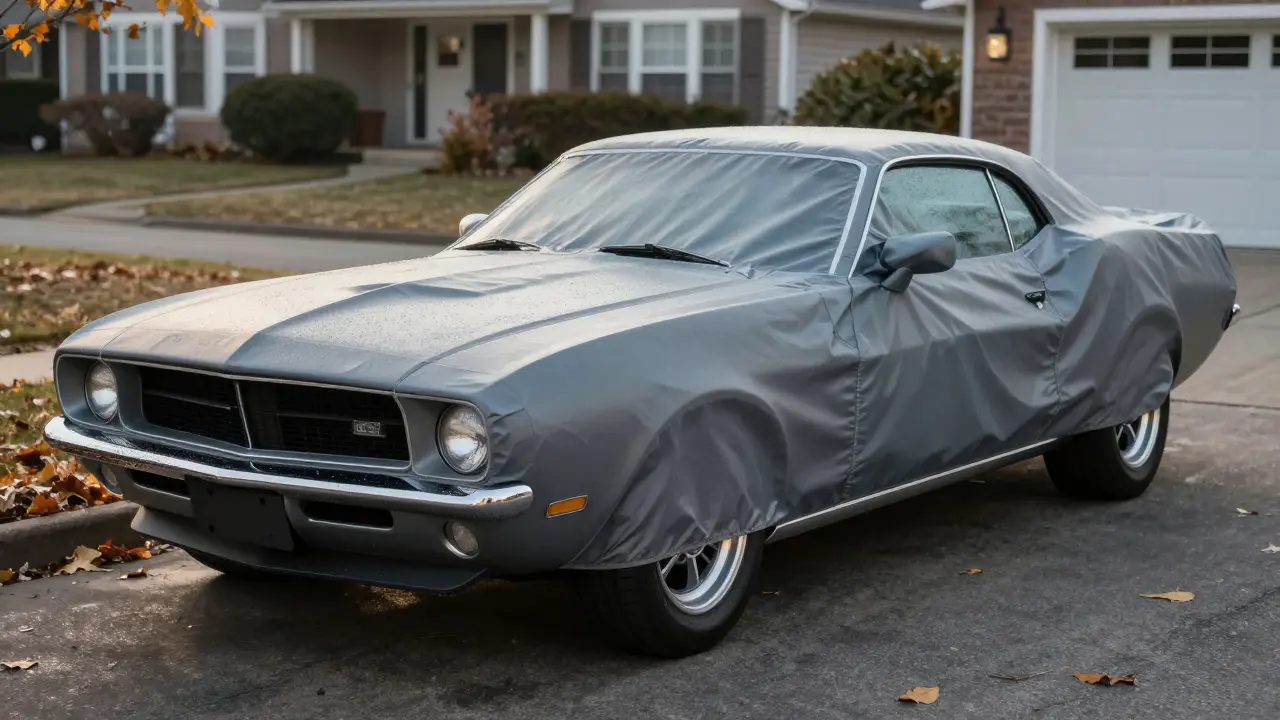
If you're storing your car for weeks or months-whether it's a classic muscle car, a winter-seasonal vehicle, or just a daily driver sitting idle-you know one thing matters more than anything else: keeping it safe from damage. A good car cover isn't just a piece of fabric. It’s your first line of defense against dust, moisture, UV rays, bird droppings, and even minor scratches. But not all covers are made equal. Choosing the wrong one can do more harm than good.
Why Car Covers Matter During Storage
Think about what happens to a car left uncovered in a garage, driveway, or outdoor lot. Sunlight doesn’t just fade paint-it breaks down the clear coat over time. Rain and snow leave behind minerals that etch into the surface. Dust and pollen settle into crevices and can trap moisture against the metal. Even in a garage, humidity builds up, especially in places like Detroit where winters turn to damp springs.
Studies from the Society of Automotive Engineers show that vehicles stored without proper cover suffer up to 40% more paint degradation over six months compared to those covered with a breathable, UV-resistant material. Bird droppings? They’re acidic. Left for just a few days, they can permanently etch into paint. Tree sap? It’s sticky, hard to remove, and often requires professional detailing. A good cover stops all of this before it starts.
Types of Car Covers for Storage
Not all car covers are the same. They’re built for different conditions, and using the wrong type can trap moisture, scratch your paint, or simply blow away in the wind.
- Indoor covers are lightweight, soft, and designed for use in garages or covered spaces. They’re great for dust and minor scratches but offer zero weather protection.
- Outdoor covers are thicker, often with waterproof layers and reinforced seams. These are made to handle rain, snow, and sun. Many include UV-blocking technology and venting systems to let moisture escape.
- Multi-layer covers combine a soft inner layer (to protect paint) with a durable outer shell. These are the gold standard for long-term storage, especially for valuable or classic cars.
- Custom-fit covers are tailored to your car’s exact model and year. They fit snugly, reduce flapping in wind, and offer better protection than universal sizes.
For most people storing a car for more than 30 days, a multi-layer outdoor cover is the smart choice. It balances breathability, durability, and protection. A cheap, single-layer cover might save you $20, but if it causes swirl marks or trapped moisture, you’ll spend $500+ on paint correction later.
What to Look for in a Quality Car Cover
Here’s what separates a good cover from a bad one:
- Material: Look for non-abrasive, microfiber inner linings. Avoid polyester blends that feel scratchy. High-end covers use cotton-polyester blends or spunbond polypropylene.
- Water resistance: A cover shouldn’t be fully waterproof-it needs to breathe. The best ones use a waterproof membrane with vapor-permeable layers that let moisture out while keeping rain out.
- UV protection: Check for a UV-blocking coating. Without it, the cover itself degrades, and your car’s paint still gets damaged.
- Fit: Elastic hems, mirror pockets, and adjustable straps keep the cover tight. A loose cover flaps in the wind, which can scratch your paint.
- Ventilation: Look for built-in vents or air channels. These prevent condensation buildup, especially important in humid climates or during seasonal transitions.
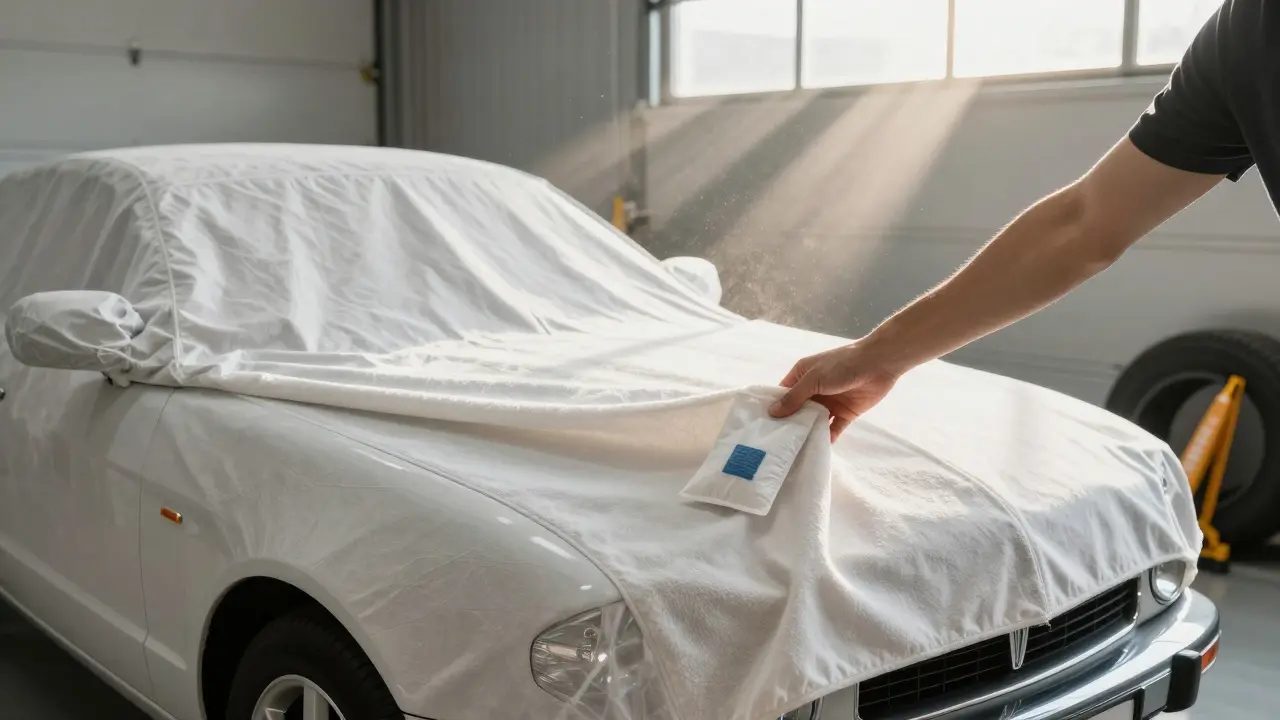
Brands like Covercraft, Classic Car Cover Company, and CarCovers.com have been tested by independent auto detailers for over a decade. Their top-tier models pass the “wet towel test”: place a damp towel under the cover, leave it for 24 hours, and if the towel stays damp but the cover’s surface is dry, you’ve got a winner.
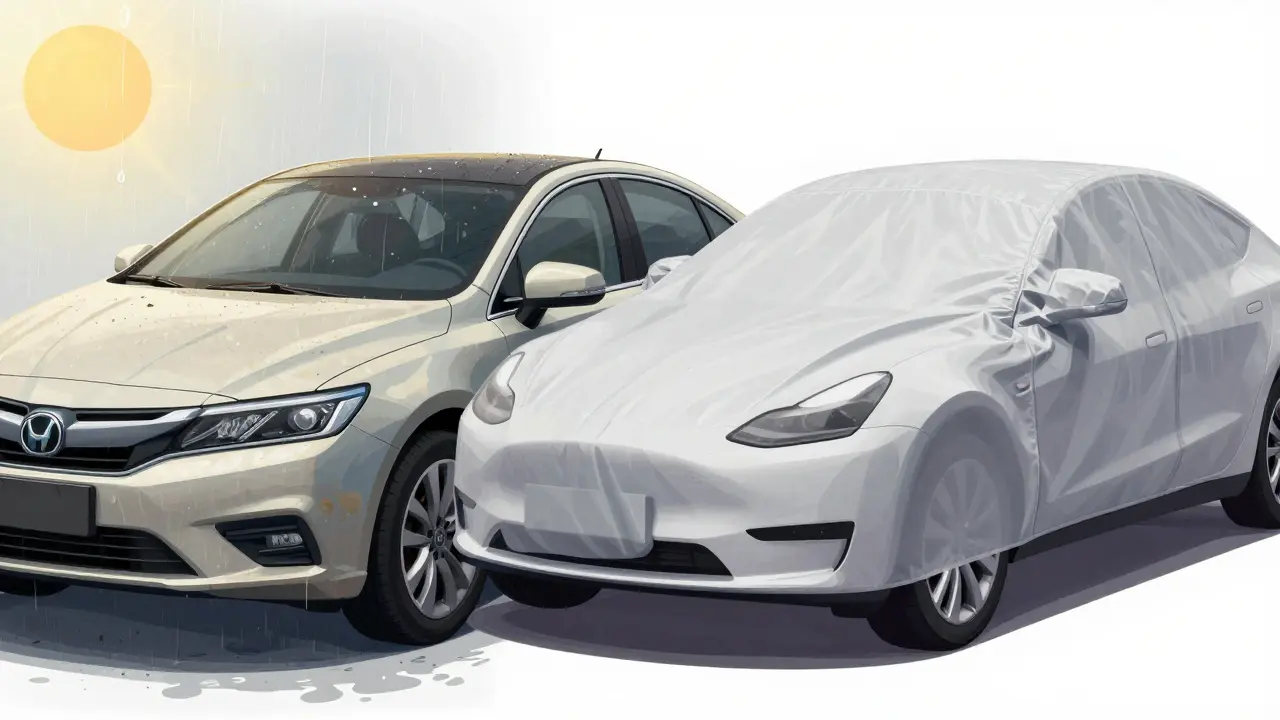
How to Use a Car Cover Correctly
Even the best cover won’t help if you put it on wrong.
- Wash and dry your car thoroughly before covering it. Dirt trapped under the cover acts like sandpaper.
- Use a soft, clean microfiber cloth to wipe down the roof, hood, and trunk before placing the cover. Even a single grain of sand can scratch.
- Start from the front and work backward. Drape the cover evenly-don’t pull it tight over one side.
- Secure it with straps under the wheels or through the door frames. Wind can lift a loose cover and rip it off-or worse, drag it across the paint.
- Check weekly. Even with a good cover, moisture can build up. Lift the cover briefly to let air circulate if you notice condensation.
Don’t leave your car covered for months without checking. Mold, mildew, and trapped moisture can form under the cover, especially if the car wasn’t fully dry before storage. A quick 10-minute inspection every few weeks can save you from a full repaint job.
Common Mistakes to Avoid
People make the same mistakes over and over. Here’s what to skip:
- Using a plastic tarp-they trap moisture and melt in heat. Plastic isn’t breathable. It turns your garage into a sauna and your paint into a victim.
- Putting a cover on a dirty car-dust becomes abrasive. You’re essentially polishing your paint with sand.
- Ignoring the climate-if you live in a rainy area like the Pacific Northwest or a humid zone like Florida, you need an outdoor-rated cover with drainage channels. Indoor covers won’t cut it.
- Buying based on price alone-a $15 cover from a big-box store is a gamble. You’re betting your car’s paint on a product that may not last a season.
When to Skip the Cover
There are exceptions. If your car is stored in a climate-controlled garage with low humidity, air filtration, and no sunlight, you might not need a cover. But even then, a light indoor cover prevents dust buildup on the dashboard, seats, and wheels. It’s easier to wipe a dust-free cover than clean a dusty car.
Also, if you’re storing a car for less than two weeks, a cover isn’t worth the hassle. Just park it in a shaded spot, keep the windows slightly cracked, and check the tire pressure once a week.
Long-Term Storage Tips
If you’re storing your car for more than three months, a cover is just one part of the puzzle:
- Fill the tank with fuel stabilizer and run the engine for 10 minutes to circulate it.
- Disconnect the battery or use a trickle charger.
- Place desiccant packs inside the cabin to absorb moisture.
- Use tire risers or jack up the car to prevent flat spots.
- Wipe down the interior with a UV protectant to prevent dashboard cracking.
These steps, paired with a quality cover, can keep your car looking showroom-new for years-even if it never leaves the garage.
Final Thoughts
A car cover is one of the cheapest, easiest upgrades you can make to protect your vehicle. It doesn’t require installation, doesn’t need power, and doesn’t cost a fortune. But the right one? It can save you thousands.
Don’t wait until your paint is faded or your windshield is covered in sap. Pick a cover that matches your storage conditions, put it on right, and check on it now and then. That’s how you keep your car looking like it just rolled off the lot-even when it’s been sitting for months.
Can I use a car cover on a wet car?
No. Always dry your car completely before covering it. Moisture trapped under the cover can cause water spots, mold, and even rust over time. If your car is wet, let it air dry or towel it off with a microfiber cloth before putting on the cover.
Do car covers prevent rust?
A good car cover helps prevent rust by keeping moisture and road salt away from the body panels. But it won’t stop rust if it’s already forming under the paint or in hidden areas like wheel wells. For best results, wash the undercarriage before storage and apply a rust inhibitor if your car is older or lives in a snowy climate.
How often should I wash my car cover?
Wash your cover every 3-6 months, depending on how dirty it gets. Most high-quality covers are machine-washable on gentle cycle with mild detergent. Never use fabric softener-it clogs the breathable layers. Air dry only-no dryer heat.
Are custom-fit covers worth the extra cost?
Yes, if you’re storing your car long-term or it’s a high-value vehicle. Custom-fit covers stay in place better, reduce wind flapping, and offer tighter protection around mirrors, antennas, and spoilers. They cost more upfront but reduce wear and tear on your car’s finish.
Can I leave a car cover on during rain or snow?
Yes-if it’s designed for outdoor use. Look for covers labeled "weather-resistant" or "outdoor-rated." These have waterproof layers and ventilation to handle rain and snow. Avoid using indoor covers outside. They’ll soak through and trap moisture against your car.

Peter Reynolds
March 1, 2026 AT 23:44Don't overthink it. Just do it right.
Sarah McWhirter
March 3, 2026 AT 12:10Also, UV protection? My car sits under a tree. The tree blocks UV. The cover just traps humidity. Think for yourself.
Ananya Sharma
March 5, 2026 AT 04:41And 'multi-layer covers'? That's just marketing jargon for 'we stitched three fabrics together and charged you 400% more'. The real issue is climate. If you live in Arizona, sure, UV matters. But in Detroit? Moisture control is key, and even then, a garage with a dehumidifier beats any fabric. Stop buying into the cult of car cover superiority. It's not about protection - it's about your need to feel in control.
kelvin kind
March 6, 2026 AT 18:26Ian Cassidy
March 7, 2026 AT 10:59Jessica McGirt
March 7, 2026 AT 20:16Donald Sullivan
March 8, 2026 AT 22:50Tina van Schelt
March 9, 2026 AT 02:57Ronak Khandelwal
March 9, 2026 AT 04:01Jeff Napier
March 9, 2026 AT 16:04Sibusiso Ernest Masilela
March 10, 2026 AT 14:45Daniel Kennedy
March 12, 2026 AT 08:52Taylor Hayes
March 14, 2026 AT 05:16