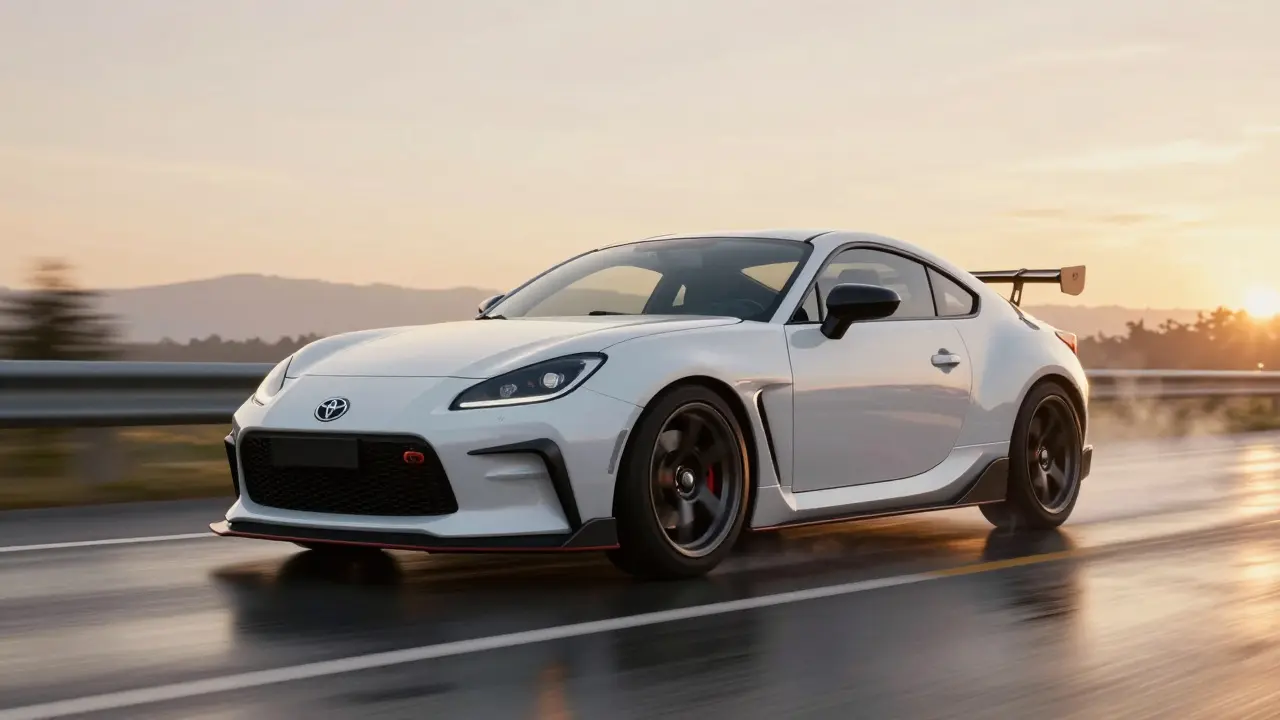
When you see a car with a sleek, aggressive look that seems to hug the road, it’s not just luck. That look comes from a custom body kit - a set of parts designed to change how your car looks and how it performs. Many people think body kits are just for show, but the truth is, the best ones do more than make your car look cool. They actually improve airflow, reduce lift, and increase grip. If you’re thinking about adding one, you need to know what’s really going on under those curves and spoilers.
What Exactly Is a Body Kit?
A custom body kit is a collection of aftermarket panels that replace or add to your car’s original bodywork. Common pieces include front splitters, side skirts, rear diffusers, and rear spoilers. Some kits even include wider fenders or hood vents. They’re usually made from fiberglass, urethane, or carbon fiber. Each material has trade-offs: fiberglass is cheap but brittle, urethane is flexible and impact-resistant, and carbon fiber is light and strong - but expensive.
Not all body kits are created equal. Some are designed purely for looks, called "lip kits" or "aesthetic kits." These add minimal downforce and might even hurt airflow. Others are engineered for performance - these are the ones that actually change how your car handles at speed.
How Aerodynamics Really Work on the Street
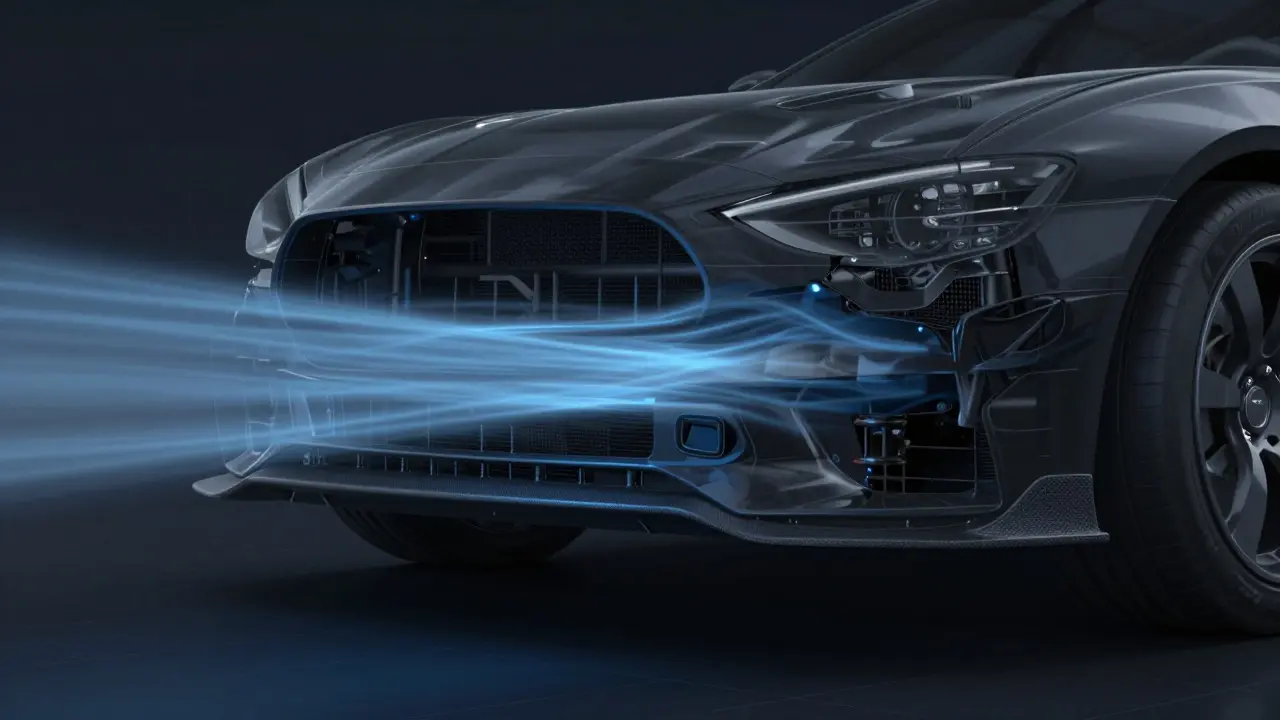
Aerodynamics isn’t just for race cars. Even at highway speeds - 60 to 80 mph - air flows over and under your car in ways that can make it unstable. Lift is the enemy. It’s what makes your car feel light at high speeds, reducing tire grip. A good body kit reduces lift by managing airflow.
Take the front splitter. It’s the flat piece under your bumper. Its job? To push air up and away from the underside of the car. Less air under the car means less lift. At the back, a diffuser expands the airflow slowly, helping air rejoin the ambient stream without creating turbulence. That’s how you get downforce - the force that pushes your car into the road.
Studies from the Society of Automotive Engineers show that a properly designed front splitter and rear diffuser combo can generate up to 80 pounds of downforce at 80 mph on a mid-size sedan. That’s not just theory - it’s measurable grip. You feel it when you corner harder without the rear end stepping out.
Aesthetics: More Than Just Looking Aggressive
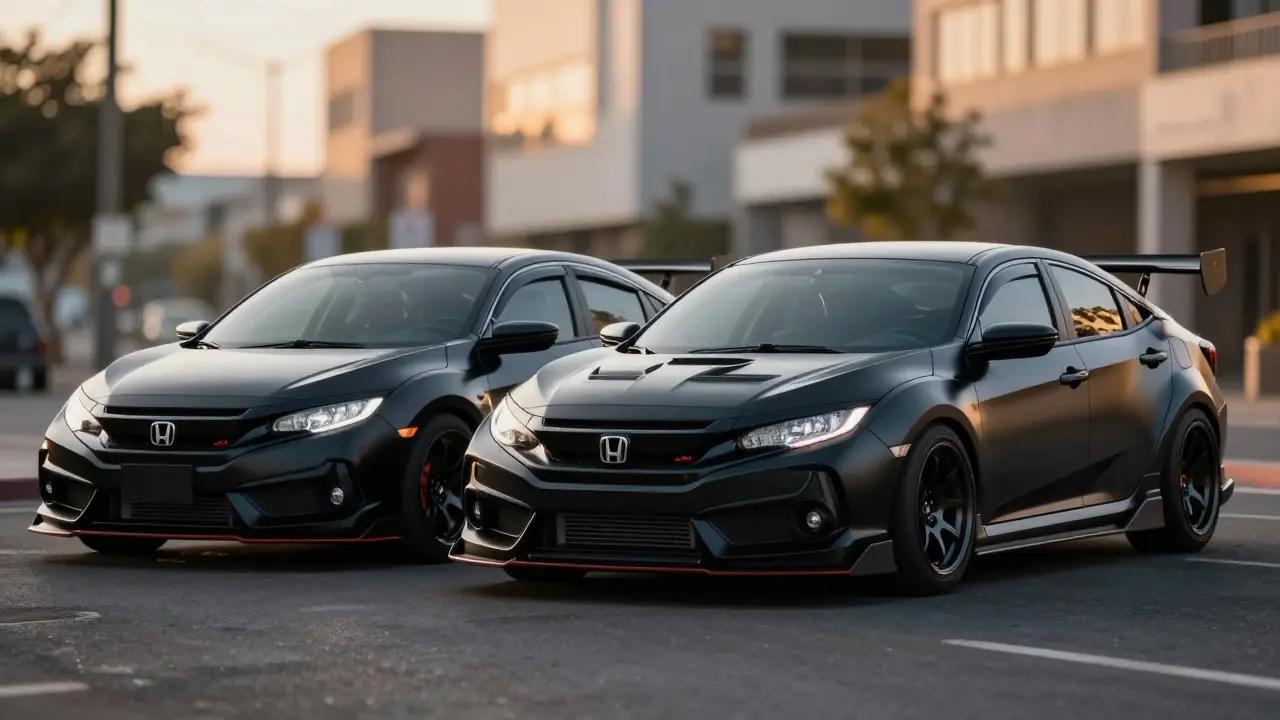
People buy body kits because they want their car to stand out. But aesthetics aren’t just about copying a video game car. The best-looking kits match the car’s original design language. A Subaru WRX with a widebody kit looks intentional. A Honda Civic with a giant rear wing that sticks out like an afterthought? It looks cheap.
Color matching matters too. A poorly painted kit looks worse than no kit at all. Most aftermarket kits come in primer. You need a professional paint job - not a quick spray from a local shop. The difference between a factory-matched finish and a mismatched one is night and day.
Also, proportions are everything. A kit that’s too wide, too tall, or too low can look absurd. Look at factory performance cars like the Porsche 911 GT3 or the BMW M3. Their body kits look like they came from the factory. That’s because they were designed as part of the car, not slapped on later.
Real-World Performance Gains
Let’s say you install a full aerodynamic body kit on a 2023 Toyota GR86. The stock car has a drag coefficient of 0.27. After adding a front splitter, side skirts, and a rear diffuser, independent testing by Car and Driver showed a 12% reduction in lift at 80 mph. That means better braking stability and sharper cornering.
On a track day, drivers reported feeling more confidence entering high-speed corners. The car didn’t float as much, and the rear stayed planted. Even on regular roads, you notice less wobble in crosswinds or when big trucks pass you.
But here’s the catch: aerodynamic gains only matter if your suspension and tires are up to the task. A body kit won’t fix worn shocks or bald tires. If you’re serious about performance, upgrade your suspension first. Then add the kit.
Common Mistakes People Make
Most body kit failures aren’t because the part is bad. They’re because of bad installation or poor planning.
- Skipping fitment checks: Not every kit fits every model year. A 2020 kit might not work on a 2022 car due to changed bumper shapes or sensor placements.
- Ignoring factory sensors: Modern cars have parking sensors, radar for adaptive cruise, and cameras. A poorly installed splitter can block these. You might lose safety features without realizing it.
- Going too extreme: A 12-inch rear wing on a daily driver? It looks cool in photos, but it’ll make your car harder to park and get caught in drive-thrus.
- Choosing the wrong material: If you live in a place with harsh winters and road salt, fiberglass will crack. Urethane holds up better.
Also, don’t forget about legality. In New York, any modification that changes the car’s width or height by more than 2 inches might require state inspection approval. Some spoilers are illegal if they obstruct your rear view. Check your local DMV rules before you buy.
What to Look for When Buying
Not all body kits are worth the money. Here’s what to check before you pay:
- Brand reputation: Look for companies like APR Performance, Razzi, or Liberty Walk. They’ve been around for years and test their kits on real cars.
- Fitment guides: Reputable sellers provide detailed fitment charts for your exact make, model, and year.
- Installation instructions: Good kits come with step-by-step guides and hardware lists. If it doesn’t, be wary.
- Warranty: Even if it’s just a 1-year warranty against cracking, it shows the manufacturer stands behind their product.
Price isn’t always a guide. A $1,500 urethane kit from a trusted brand can outperform a $3,000 carbon fiber kit from an unknown seller. Read reviews from owners, not just influencers.
Installation: DIY or Pro?
You can install a basic lip kit yourself with basic tools. But full body kits? They need precision. Bonding urethane to plastic requires special adhesives. Drilling holes for sensors? One mistake and you’re replacing a bumper. Most people end up spending more fixing mistakes than they would’ve paid for professional installation.
Professional installers charge $400-$800, depending on complexity. But they also do alignment checks, test fit before bonding, and handle paint prep. If you’re investing $2,000+ in a kit, spending $600 on installation isn’t extra - it’s insurance.
Final Thought: It’s About Balance
The best custom body kits don’t scream for attention. They whisper it. They improve the car’s natural shape, not fight against it. Whether you want better grip on backroads, or just want your car to look like it belongs on a magazine cover, the right kit does both.
Don’t chase the most aggressive look. Chase the one that works with your car’s design, your driving style, and your local roads. The right body kit doesn’t just change how your car looks - it changes how you feel when you drive it.
Are body kits legal on public roads?
Yes, but only if they meet local regulations. In most U.S. states, modifications can’t obstruct lights, sensors, or the driver’s view. Some states limit how much a car’s width or height can be changed. Always check with your DMV before installing a kit.
Do body kits improve fuel efficiency?
Usually not. Most body kits increase drag slightly due to added surface area. However, a well-designed aerodynamic kit can reduce lift and turbulence, which may offset some efficiency loss. Gains are minimal - don’t buy a kit to save gas.
How long do body kits last?
Fiberglass kits can crack in 3-5 years if exposed to extreme temperatures or road salt. Urethane kits last 8-10 years with proper care. Carbon fiber is the most durable but can fade without UV protection. Regular washing and waxing extend life.
Can I install a body kit over factory paint?
Not recommended. Factory paint isn’t designed to bond with aftermarket adhesives. The kit may not stick properly, or it could peel off the paint when removed. Always prep the surface by sanding, cleaning, and priming - or have it professionally painted after installation.
Do body kits affect my car’s warranty?
Yes, potentially. If a body kit causes damage - like interfering with sensors or altering airflow to the engine - the manufacturer can deny warranty claims related to those systems. However, unrelated issues (like transmission problems) are still covered under federal law. Always check your warranty terms before modifying.

Anand Pandit
January 30, 2026 AT 09:33Really well put together guide. I’ve installed a urethane kit on my Civic and the difference in highway stability is insane. No more feeling like the car’s gonna float when a truck passes. Just make sure you get it painted right - primer alone looks like a bad eBay special.
Reshma Jose
January 31, 2026 AT 23:01YES. I tried a cheap fiberglass kit last year and it cracked after one winter. Urethane is worth every extra dollar if you live anywhere with snow or salt. Also, don’t skip the alignment check after install - even a 2mm misalignment makes the whole thing look crooked.
rahul shrimali
February 2, 2026 AT 00:51Just got a splitter and diffuser for my GR86 and holy hell it sticks now
Bhagyashri Zokarkar
February 3, 2026 AT 11:19you know what no one talks about how these kits attract cops like flies to honey i got pulled over three times in two weeks after i put mine on and they always asked if it was legal like i was some street racer not just some guy who likes his car to look good
Bharat Patel
February 3, 2026 AT 14:51There’s something poetic about aerodynamics - the way air flows like water around a stone, shaping motion without force. A good body kit doesn’t scream, it sings. It doesn’t fight the car’s nature, it reveals it. The car was always meant to glide, to hug the road, to whisper speed rather than shout it. We just forget that sometimes, in our rush to look fast, we forget what speed truly feels like.
It’s not about the wing. It’s about the silence between the wind and the tire.
ujjwal fouzdar
February 4, 2026 AT 03:20Oh my god I just realized something - we treat cars like they’re gods and we’re just priests offering sacrifices of carbon fiber and urethane. But here’s the truth: the car doesn’t care. It’s just metal and plastic. We’re the ones who project our identity onto it. The splitter? That’s my ego. The diffuser? That’s my insecurity. The widebody? That’s me screaming I’m not average. But the real question is - are we modifying the car… or are we modifying ourselves?
And if we’re honest - do we even know who we are without the kit?
Maybe the real performance upgrade isn’t downforce… it’s self-awareness.
…I’m gonna go wash my car now. And cry a little.
Eka Prabha
February 4, 2026 AT 04:44Let me be the voice of reason here - and I say this as someone who has read every federal motor vehicle safety standard from 1998 to 2024 - most aftermarket body kits violate 49 CFR 571.108 regarding lamp visibility and 571.111 regarding rear visibility. Furthermore, the structural integrity of bonded urethane on OEM plastic substrates is not certified by any NHTSA-approved test protocol. You are literally driving a liability. And don’t even get me started on the electromagnetic interference caused by improperly routed wiring around radar sensors. This isn’t customization - it’s negligence dressed up as style.
Vishal Gaur
February 4, 2026 AT 22:53bro i bought this $1200 carbon fiber kit off aliexpress and it was so off it looked like a dog tried to bite my bumper. i had to cut it with a dremel and glue it with epoxy and now it looks like a 2004 toyota celica from a dream. also the paint job was done by my cousin who works at a gas station and now it peels when it rains. but hey at least it looks cool in the dark with the neon lights under it
also i lost my parking sensor but honestly i dont park anyway so it’s fine
Nikhil Gavhane
February 5, 2026 AT 10:49I’ve got a 2021 WRX with a full Razzi kit. Took it to a shop that specializes in Subaru mods - they did the install, alignment, and paint. Best $700 I’ve ever spent. The car feels like it was born with it. And honestly? I didn’t even notice how much I’d been holding my breath before - until the kit made me feel safe at speed. That’s the real win.
Rajat Patil
February 6, 2026 AT 00:32I appreciate the thoughtful breakdown. It is important to remember that modifications should enhance, not overpower. A car is not merely a machine, but an extension of the individual who drives it. One must consider harmony - between form and function, between desire and practicality. The greatest beauty lies not in extremity, but in balance.
deepak srinivasa
February 6, 2026 AT 17:56Wait - if a body kit reduces lift but increases drag slightly, does that mean top speed decreases? Or is the downforce gain worth the trade-off for everyday driving? I’m trying to decide if I should go for a full kit or just a splitter. Any data on top speed vs. cornering grip trade-offs?