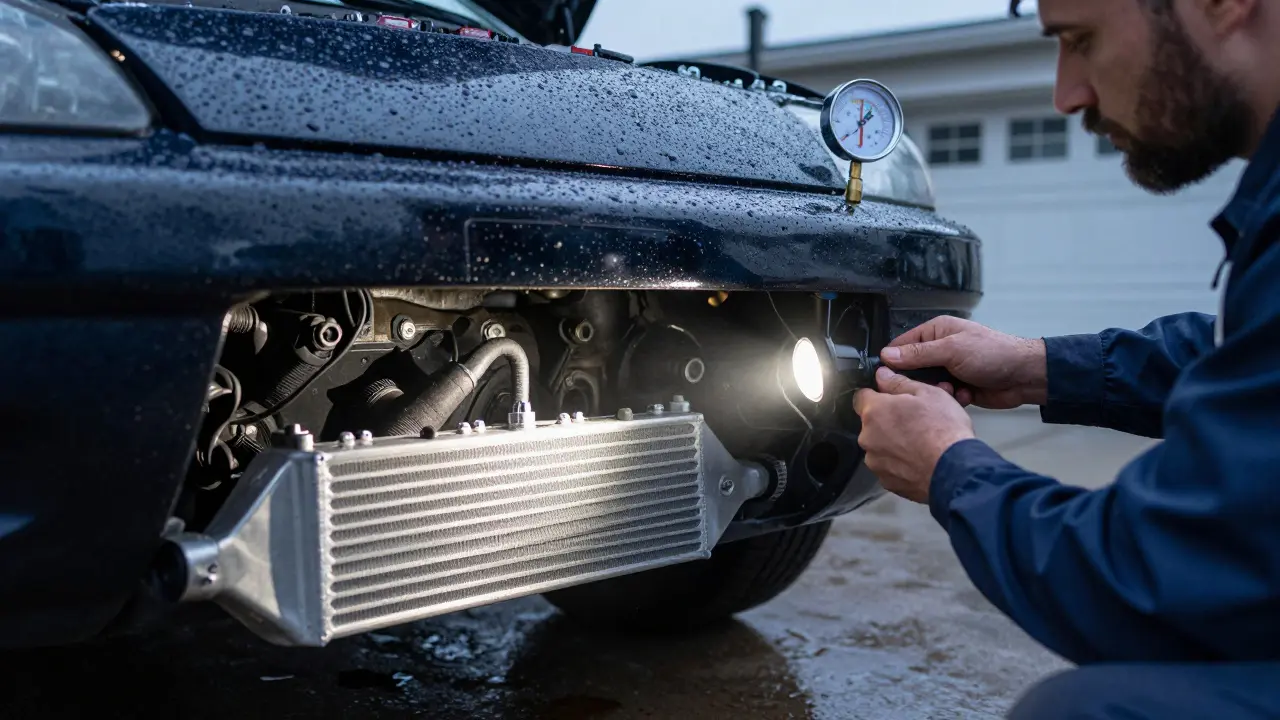
Ever had a car that acts up only when it’s raining, or starts shaking at exactly 42 mph but never before or after? You’re not alone. Most mechanics will tell you the toughest problems aren’t the ones with check engine lights flashing-they’re the ones that disappear when you take it to the shop. These are the hard-to-find vehicle problems that eat up time, money, and patience. But with the right approach, you can track them down like a pro-even if you’re not a certified technician.
Start with the basics, even if they seem too simple
Before you grab a scanner or start replacing parts, go back to square one. A surprising number of weird symptoms come from simple things people overlook. A loose gas cap? That can trigger a P0455 code for evaporative emissions. A dirty air filter? It might make your engine hesitate at highway speeds, mimicking a fuel injector issue. Even a worn-out battery terminal can cause random electrical glitches that feel like a computer failure.
Check your fluids. Not just the level-look at the color and smell. Dark, burnt-smelling transmission fluid? That’s not normal wear. Milky coolant? That usually means a head gasket leak, even if the engine isn’t overheating. A small leak under the car? Don’t assume it’s oil. Brake fluid is clear and oily, power steering fluid is reddish, and condensation from the AC can look like water-but it’s harmless. Know what you’re looking at.
Listen like a detective
Modern cars are quiet, but they still talk. The sound a problem makes often tells you more than any code. A clicking noise when turning? Could be a bad CV joint, but it could also be a loose heat shield rattling against the exhaust. A squeal when you hit the brakes? Not always worn pads. A dry brake caliper pin can cause the same noise-and it’s way cheaper to fix.
Pay attention to when the noise happens. Does it change with temperature? Is it worse when the engine is cold? Does it disappear after the car warms up? These clues matter. One mechanic in Fort Collins told me about a 2018 Honda Civic that made a ticking sound only at 70°F. Turns out, the exhaust manifold gasket was failing. It sealed itself when hot, so the scanner never caught it. He found it by listening in the driveway at exactly 70°F on a spring morning.
Use the OBD2 scanner the right way
Most people plug in a scanner, see a code, and replace the part it points to. That’s how you waste money. Codes are starting points, not answers. A P0300 code means “random misfire”-but that could be bad spark plugs, a failing coil, a vacuum leak, or even a clogged fuel filter. The scanner doesn’t know which.
Instead, look at live data. Watch the short-term fuel trim. If it’s constantly jumping between +15% and -10%, you’ve got a vacuum leak or a sensor out of whack. Check the MAF sensor readings. At idle, a healthy 2.5L engine should read around 4-7 grams per second. If it’s reading 12, something’s wrong. Compare data from multiple sensors. If the throttle position and air flow numbers don’t match up, there’s a problem with the system’s logic-not just one component.
And don’t ignore pending codes. These are glitches the computer noticed but didn’t trigger a light for yet. They’re your early warning system. A car with a pending P0171 (system too lean) might run fine, but it’s slowly damaging the catalytic converter. Fix it now, before it costs $1,200.
Reproduce the problem on your terms
The biggest mistake? Taking the car to a shop when the problem isn’t happening. Mechanics can’t fix what they can’t see. So learn to recreate it yourself.
Got a vibration at 55 mph? Drive on a flat highway, then try the same speed on a slightly uneven road. Does it change? If it disappears on rough pavement, it’s likely a tire balance issue-not a wheel bearing. Got an electrical glitch that only happens after a rainstorm? Park the car outside overnight, let it get wet, then try starting it in the morning. Watch for moisture in the fuse box or corrosion on connectors.
One owner in Colorado kept getting a “transmission slipping” warning after driving uphill in the mountains. He thought it was the transmission. Turns out, the transmission fluid was low because the cooler line was leaking slowly. The leak only showed up when the fluid heated up and expanded under load. He found it by driving the same route, then checking under the car with a flashlight after he got back.
Check the wiring harnesses-especially the hidden ones
Wiring problems are the #1 cause of hard-to-diagnose issues. And they’re not always in the engine bay. Look under the seats, behind the dashboard, near the door hinges, and along the firewall. These areas flex, rub, and get exposed to moisture. A frayed wire in the driver’s door jamb can cause intermittent power window failures, radio static, or even erratic cruise control.
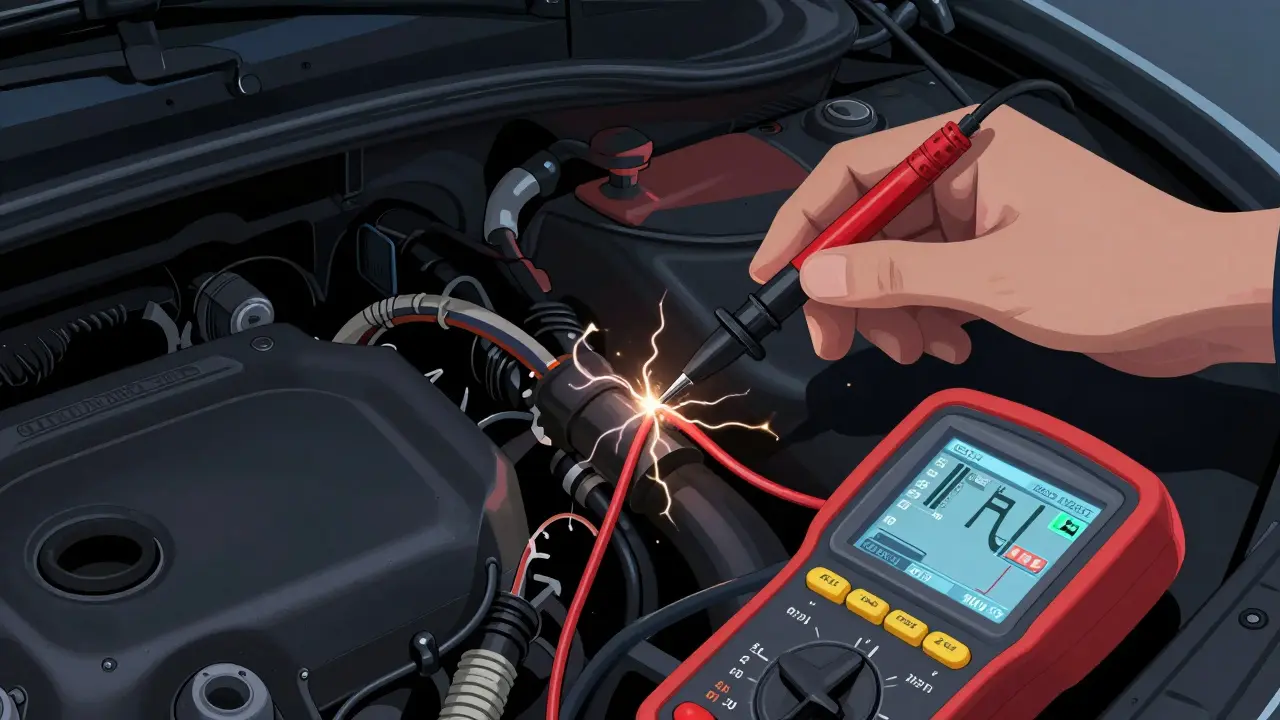
Use a multimeter to test for continuity. Don’t just check if power flows-check if it’s consistent. Wiggle the wires while you’re testing. If the reading jumps or drops, you’ve found your culprit. A 2020 Toyota RAV4 came in with a “no start” issue. Every test showed perfect battery voltage and fuel pressure. The fix? A cracked wire inside the harness running from the ignition switch to the starter relay. It only broke when the steering column moved. Replaced the harness. Problem gone.
Think beyond the engine
Not every weird symptom comes from the engine. A humming noise from the rear? Could be the fuel pump, but it could also be a bad wheel bearing or even a worn differential. A strange smell inside the cabin? Could be a heater core leak-but it could also be a mouse nest in the HVAC ducts. One guy swore his car smelled like burnt plastic. Turned out, his dog had peed on the floor mat, and the heat from the defroster was cooking it out.
Check the tires. Uneven wear can mimic suspension problems. A tire with a bubble on the sidewall can cause a wobble that feels like a bent rim. A misaligned rear axle can make the car pull to one side, even if the front alignment is perfect. Don’t assume the front end is the source of every handling issue.
Document everything
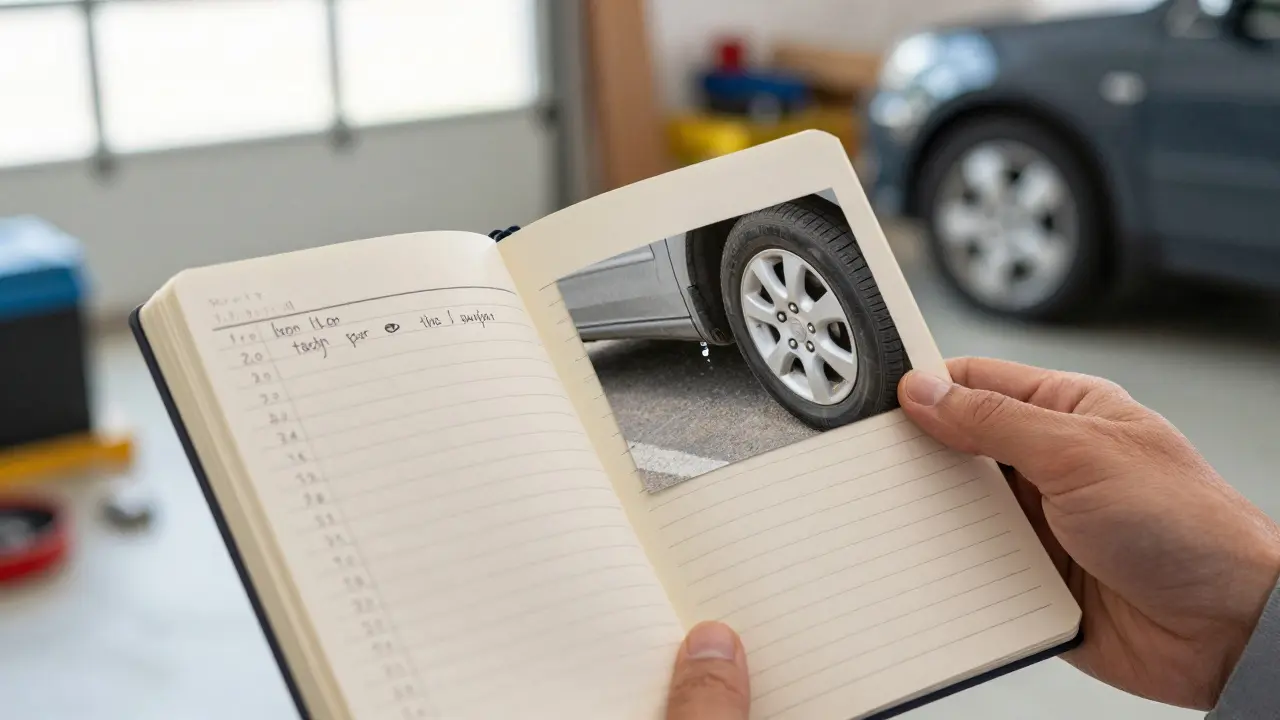
Keep a log. Write down: date, time, weather, temperature, driving conditions, symptoms, and what you did. Over time, patterns emerge. One customer brought in his 2019 Ford Escape because it would stall at stoplights-but only on Tuesdays. He didn’t even realize it was that specific. His log showed the problem only happened after he filled up at the same gas station. Turns out, the station had a bad batch of fuel. He switched stations, and the problem vanished.
Take pictures. A small crack in a plastic intake manifold might not be visible until you zoom in. A tiny drip under the car might look like nothing, but with a photo and a ruler, you can track how fast it’s leaking.
When to call a pro
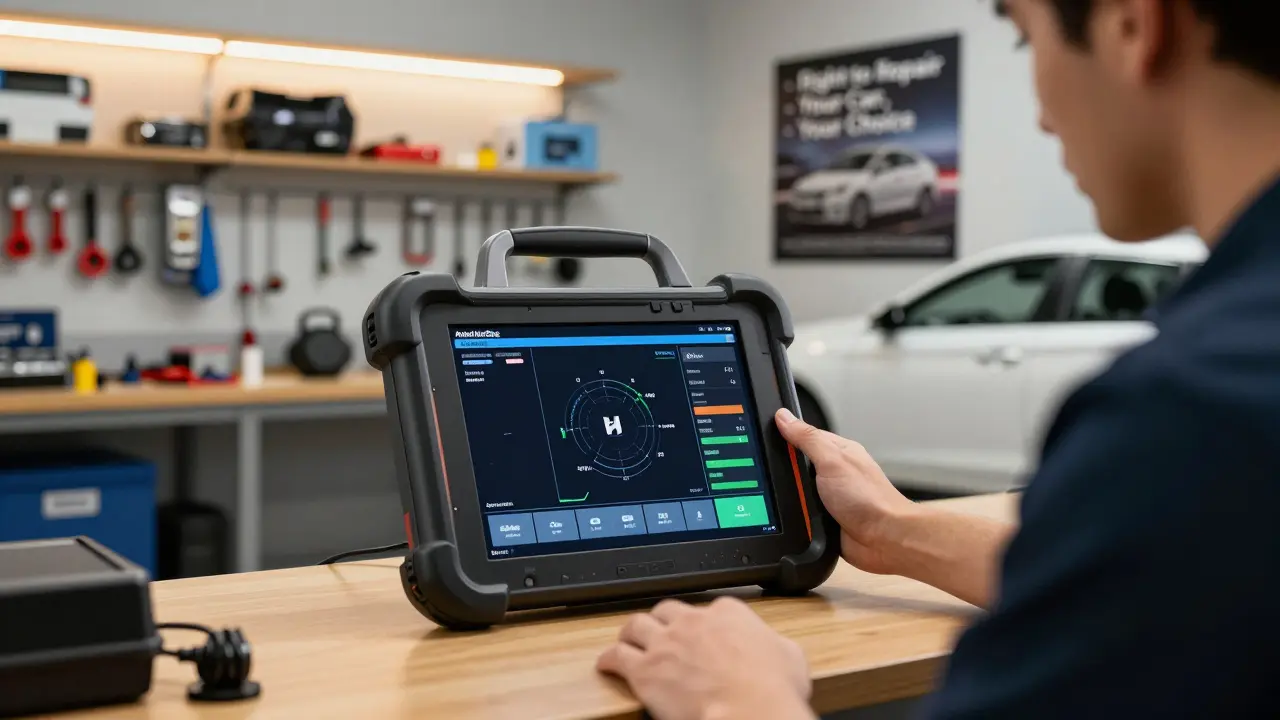
You can solve a lot yourself-but some problems need expert tools. If you’ve checked fluids, wiring, sensors, and still can’t find it, it’s time to go to a shop that specializes in diagnostics. Look for one with a high-end scanner that can read manufacturer-specific codes and do bi-directional tests. A $300 scanner from Amazon won’t do what a $5,000 factory-level tool can. A good shop will use a smoke machine to find vacuum leaks, a pressure transducer to test fuel systems, and an oscilloscope to check sensor signals in real time.
Don’t let them replace parts without showing you the proof. Ask to see the live data graphs. If they say “the sensor is bad,” ask to see the waveform. If they can’t show it, walk out.
Final tip: Trust your gut
After years of working on cars, the best mechanics I know say the same thing: if something feels off, it probably is. You know your car better than any scanner. If it’s been running fine for years and suddenly starts acting weird, don’t ignore it. That’s not paranoia-that’s experience. The most stubborn problems often have simple roots. You just have to be patient, methodical, and willing to look where no one else does.



Tia Muzdalifah
February 15, 2026 AT 11:16Zoe Hill
February 17, 2026 AT 09:08Albert Navat
February 19, 2026 AT 01:28King Medoo
February 21, 2026 AT 00:09Rae Blackburn
February 22, 2026 AT 06:20LeVar Trotter
February 23, 2026 AT 09:43Tyler Durden
February 25, 2026 AT 06:23Aafreen Khan
February 26, 2026 AT 20:20Seraphina Nero
February 28, 2026 AT 04:25Megan Ellaby
March 1, 2026 AT 08:58Rahul U.
March 3, 2026 AT 05:09Michael Thomas
March 4, 2026 AT 10:11