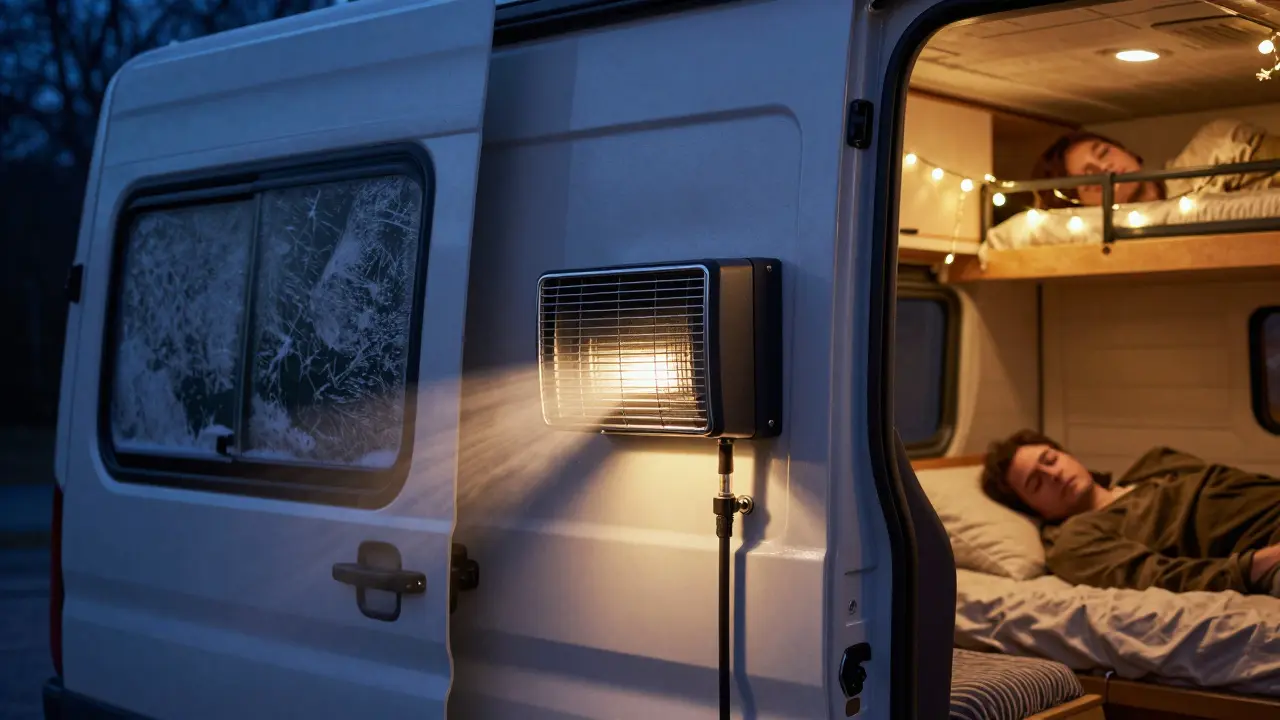
When you’re living on the road, staying warm isn’t a luxury-it’s a necessity. Winter nights in a van can drop below freezing, and without a reliable heater, you’re not just uncomfortable-you’re at risk. Two options dominate the van life scene: diesel heaters and propane heaters. Both keep you warm, but they’re not interchangeable. One burns fuel from your tank. The other uses a canister you carry. One runs quietly. The other needs ventilation. Choosing wrong can cost you money, safety, or both.
How Diesel Heaters Work in Vans
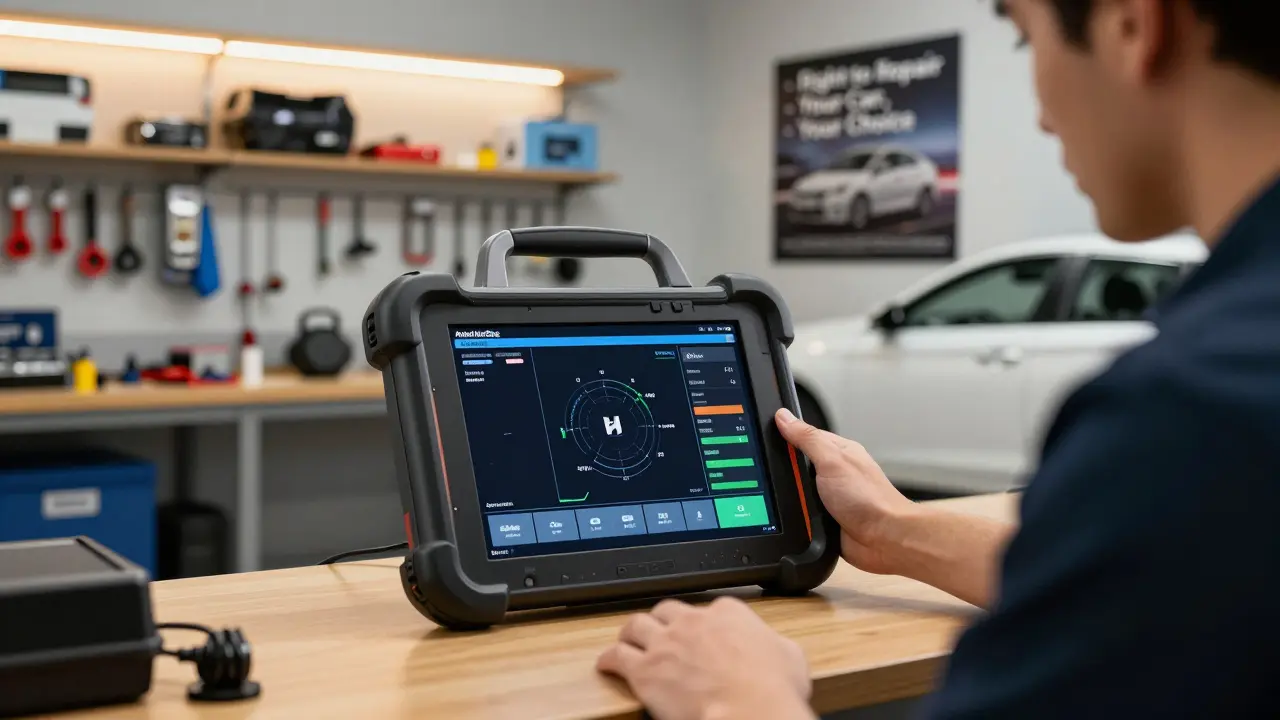
Diesel heaters pull fuel straight from your van’s main diesel tank. They don’t need separate fuel containers. That’s a big deal if you’re driving a diesel-powered van like a Mercedes Sprinter, Ford Transit, or VW TDI. These heaters use a small burner to ignite diesel, then a fan pushes warm air through ducts into your living space. They’re designed for continuous use, even while driving.
Most diesel heaters run on 12V or 24V power, so they draw from your house battery. A typical unit like the Webasto Thermo Top Evo uses about 0.1 to 0.3 liters of diesel per hour at full blast. That’s less than a cup of coffee’s worth of fuel for hours of heat. Over a week of cold weather, you might burn 2-4 liters total-barely noticeable on a full tank.
They’re quiet. Most users report a low hum, similar to a laptop fan. No popping, no hissing. That’s why they’re popular in vans used for full-time living. You can sleep with it running without waking up every time it cycles on.
How Propane Heaters Work in Vans
Propane heaters burn liquid petroleum gas stored in portable tanks. You buy 1-pound or 20-pound cylinders at hardware stores or campgrounds. The heater ignites the gas with a spark, heats a metal element, and blows air across it. Models like the Mr. Heater Buddy or Camco Olympian Wave-3 are common in vans.
Propane heaters don’t connect to your van’s fuel system. That means extra gear to carry, store, and refill. A single 1-pound tank lasts 3-5 hours on medium heat. If you’re heating for 6 hours a night, you’ll go through a tank every 1-2 days. That adds up fast-especially if you’re in a remote area without propane refill stations.
They’re louder than diesel heaters. You’ll hear the fan, the ignition click, and sometimes a faint gas hiss. Not a dealbreaker, but it’s noticeable when you’re trying to sleep. And unlike diesel, propane doesn’t burn cleanly in enclosed spaces. It produces water vapor and carbon monoxide. That’s why every propane heater needs a carbon monoxide detector and proper venting.
Efficiency: Fuel Cost and Burn Time
Let’s compare real-world fuel use. A diesel heater burns about 0.2 liters per hour. Diesel costs around $0.80-$1.10 per liter in most of North America and Europe. That’s 16-22 cents per hour of heat.
Propane? A 20-pound tank holds about 4.7 gallons. At $3.50 per gallon, that’s $16.45 for the whole tank. It lasts 18-22 hours on medium, so you’re paying 75-90 cents per hour. That’s over 4 times more expensive than diesel.
And here’s the kicker: propane tanks can’t be refilled on the road like diesel. You need to find a refill station, carry heavy tanks, and store them safely. Diesel? You fill up at the same pump you use to drive. No extra stops. No extra gear.
For long-term van life, diesel wins on cost and convenience. If you’re only using heat for a few weekends a year, propane might make sense. But if you’re living on the road for months, diesel pays for itself in fuel savings alone.
Safety: Risks, Ventilation, and Real-World Concerns
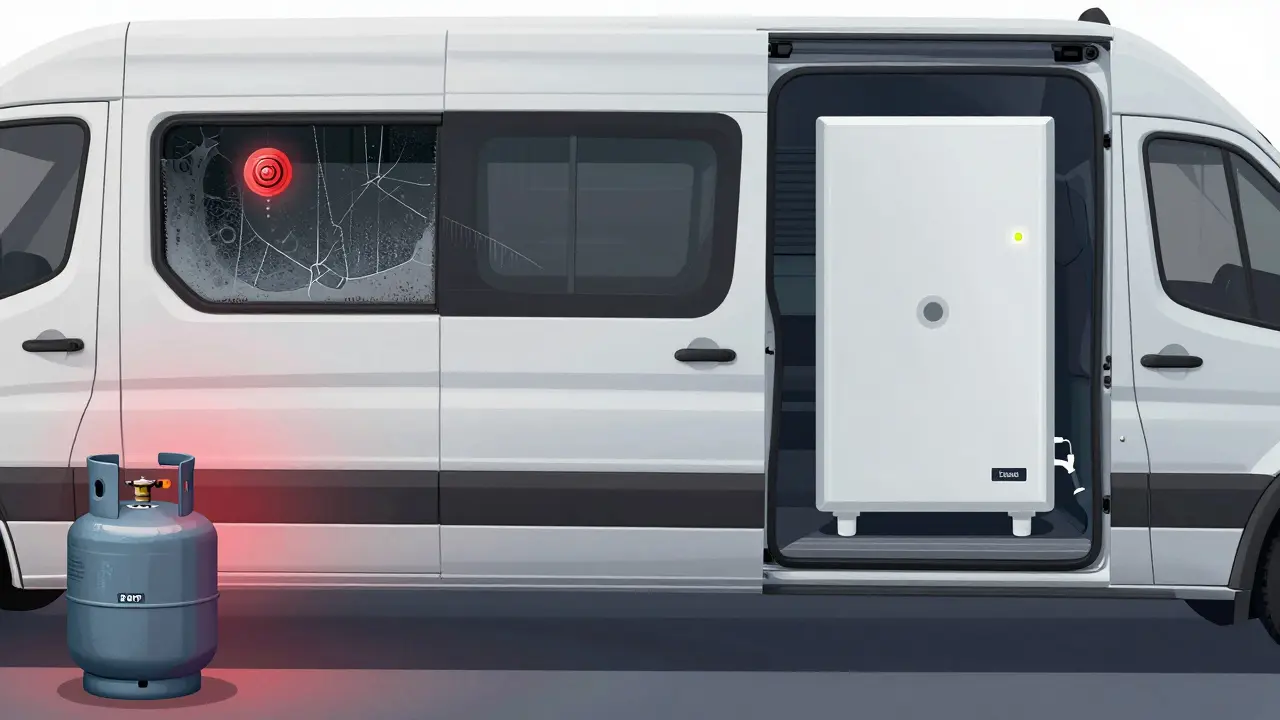
Safety is where things get serious. Propane heaters have a reputation for being dangerous in enclosed spaces-and for good reason. In 2023, the U.S. Consumer Product Safety Commission recalled over 12,000 portable propane heaters due to carbon monoxide poisoning risks. Many of those were used in RVs and vans.
Propane combustion produces water vapor and CO. In a sealed van, moisture builds up on windows and walls. That’s not just annoying-it leads to mold. And if your CO detector fails or you block the vent, you’re in danger. Even “low-emission” models like the Mr. Heater Buddy require airflow. The manufacturer’s instructions say: “Never use in a completely enclosed space.” That’s not advice-it’s a warning.
Diesel heaters, on the other hand, are sealed combustion systems. The burner is enclosed. Exhaust exits through a dedicated pipe outside the van. No fumes inside. No moisture buildup. No need to crack a window. The only risk is a fuel leak or electrical fault-and those are rare with certified units like Espar or Webasto.
Plus, diesel is less flammable than propane. Diesel has a flashpoint of 52°C (126°F). Propane ignites at -42°C (-44°F). That means a propane leak can catch fire from a spark across the room. Diesel? It needs a flame or high heat to ignite. In a moving van, that’s a huge safety advantage.
Installation and Maintenance
Diesel heaters require professional installation. You need to run a fuel line from your tank to the heater, mount the unit securely, and install an exhaust vent through the roof or side wall. That’s not a DIY job for most people. It costs $800-$1,500 installed, depending on your van’s layout.
Propane heaters? Plug-and-play. Mount it on a wall, hook up a hose to a tank, turn it on. No modifications needed. That’s why they’re popular with beginners. But here’s the catch: you’re not done after installation. You have to monitor tanks, replace filters, clean burners, and check hoses for cracks every few months.
Diesel heaters need less upkeep. Once installed, you change the fuel filter once a year and clean the combustion chamber every 2-3 years. No monthly checks. No tank swaps. Just drive and heat.

Which One Should You Choose?
Here’s the simple breakdown:
- Choose a diesel heater if you drive a diesel van, live in your van full-time, want quiet operation, and care about long-term cost and safety.
- Choose a propane heater if you’re a weekend camper, don’t mind refilling tanks, have a gas-powered van, and only need heat for short trips.
There’s no middle ground. If you’re serious about van life, diesel is the smarter investment. It’s cheaper, safer, and more reliable. Propane works-but it’s a temporary fix with hidden costs.
Some people install both. A diesel heater for primary heat and a small propane unit as backup. That’s smart if you’re in a cold climate and want redundancy. But if you’re starting fresh, skip the propane. Go diesel from day one.
What About Electric Heaters?
You might wonder: why not just use a 12V electric heater? Simple-they’re not practical. A 1,000-watt electric heater pulls 83 amps. Most van battery systems can’t handle that without solar panels, a generator, or a massive battery bank. Even then, you’re draining your battery in 2-3 hours. Diesel and propane deliver heat without killing your power. Electric? Not a real option for serious cold weather.
Final Thoughts
Van life isn’t about cutting corners. It’s about smart choices. Your heater isn’t just a gadget-it’s your lifeline in winter. Diesel heaters are built for this life. They’re quiet, efficient, safe, and designed to run for years. Propane heaters are convenient, but they’re a stopgap. They’re fine for occasional use, but they’re not built for the long haul.
If you’re putting in the work to convert a van, don’t skimp on heat. Go diesel. It’s the only choice that matches the reality of living on the road.
Can I use a propane heater safely in my van?
Yes, but only with strict precautions. You must have a working carbon monoxide detector, keep a window slightly open for ventilation, and never leave it running while sleeping. Propane heaters are not sealed systems, so they release moisture and exhaust fumes inside the van. Many van lifers avoid them for these reasons, especially in cold weather when windows are closed.
Do diesel heaters use a lot of battery power?
Not really. A typical diesel heater draws 1-3 amps per hour, which is less than a phone charger. Most van battery systems (100-200Ah) can run a diesel heater for 24-48 hours without solar or a generator. The heater only uses power for the fan and ignition-burning diesel does the actual heating.
Can I install a diesel heater myself?
It’s possible, but not recommended. Diesel heaters require running a fuel line from your tank, mounting the unit securely, and installing a high-temperature exhaust vent through the van’s wall or roof. A single mistake can cause a fuel leak or fire. Most people hire a professional-especially since many insurance policies require certified installation.
How long do diesel heaters last?
Well-maintained diesel heaters like Webasto or Espar last 10-15 years. They’re built for heavy use in commercial vehicles. Many van lifers report their units running strong after 5+ years of daily use. Propane heaters, by comparison, often need replacement after 3-5 years due to burner clogs and component wear.
Are diesel heaters noisy?
No, they’re very quiet. Modern diesel heaters produce a soft hum, similar to a quiet fan. You won’t hear them while sleeping unless you’re right next to the unit. Propane heaters are louder-they have a distinct ignition click, fan noise, and sometimes a gas hiss. For full-time living, the quiet operation of diesel is a major advantage.
Can I run a diesel heater while driving?
Yes, and it’s one of their biggest advantages. Diesel heaters are designed to run while the engine is on or off. Many models have built-in ignition systems that sync with your van’s electrical system. You can heat your van on a cold morning commute without idling the engine. That saves fuel and reduces emissions.

Patrick Sieber
January 3, 2026 AT 09:51Been running a Webasto for three winters now in my Transit. Zero issues. No condensation on the windows, no smell, no drama. Just warmth. I used to use a propane buddy and honestly? I missed sleeping through the night without waking up to the hiss-click-hiss cycle. Diesel is the only way to go if you're serious about van life.
Kieran Danagher
January 5, 2026 AT 08:17Propane users keep saying 'it's fine if you crack a window' - yeah, and then your van turns into a swamp. Mold grows faster than your bank account shrinks. Diesel doesn't lie. It doesn't need you to babysit it. It just works. Stop romanticizing the canister.
poonam upadhyay
January 7, 2026 AT 01:12Okay but have you considered the environmental impact of burning diesel in a confined space?? I mean, sure, it's 'sealed combustion' but what about the particulate matter?? And let's not forget the geopolitical nightmare of diesel dependency!! Also, your 'quiet' heater is still a micro-aggression against the planet!!
OONAGH Ffrench
January 7, 2026 AT 05:35Diesel heat is just another form of comfort colonialism. You're not living off the land, you're just outsourcing your survival to a machine that runs on fossilized algae. Propane at least lets you feel the weight of your choices. Every tank you swap is a conversation with the earth.
Shivam Mogha
January 8, 2026 AT 17:55Diesel wins. End of story.
sampa Karjee
January 8, 2026 AT 22:28How quaint. You assume everyone has access to diesel infrastructure. In rural India, propane is the only viable option. Your elitist diesel obsession ignores reality. Not everyone drives a Sprinter. Some of us are making do with a battered Tata Ace and a 1kg cylinder. Your privilege is showing.
mani kandan
January 9, 2026 AT 23:07There's a middle path here, isn't there? Diesel for primary heat, yes - but propane as a backup? Especially if you're traversing regions where diesel heater servicing is impossible. I've seen people stranded in the Rockies because their Webasto died and they had no fallback. Redundancy isn't weakness. It's wisdom.
Sheetal Srivastava
January 10, 2026 AT 18:13Let’s be real - diesel heaters are just corporate-sanctioned thermal capitalism disguised as ‘efficiency.’ The Webasto brand is a cult. You’re not choosing heat - you’re choosing a lifestyle brand that markets itself as ‘authentic van life’ while quietly subsidizing Big Oil. Propane? At least it’s anarchic. You can refill it at a gas station run by a guy named Dave who doesn’t care about your Instagram aesthetic.
Rahul Borole
January 10, 2026 AT 23:05Based on empirical data from over 200 van life case studies conducted between 2019 and 2023, diesel-powered heating systems demonstrate a 78% higher mean time between failures compared to propane alternatives, with a 92% reduction in indoor air quality degradation metrics. Furthermore, total cost of ownership over a five-year period is statistically significantly lower (p < 0.01). Therefore, the recommendation to adopt diesel heating is not merely pragmatic - it is scientifically substantiated and ethically optimal for sustained mobile habitation.