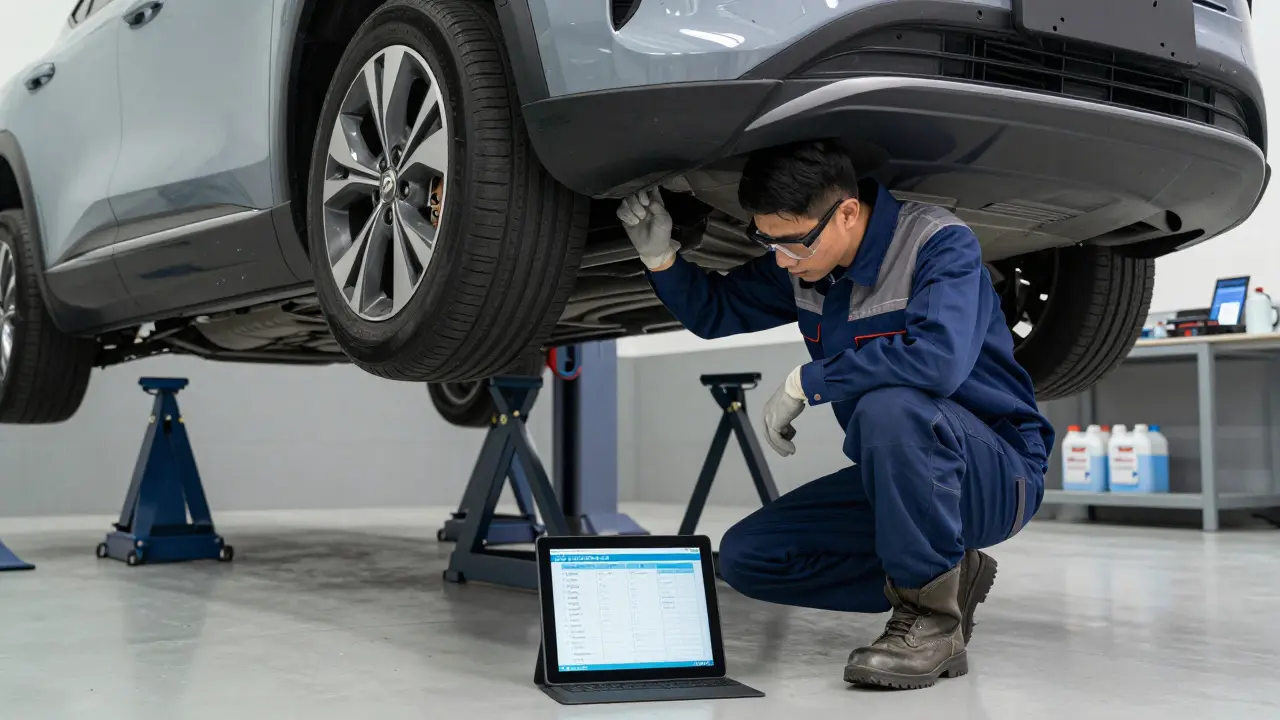
Every day, automotive service departments across the U.S. handle hundreds of vehicles-lifting cars, handling fuel, working under hoods, and using powerful tools. Yet, despite the risks, many shops still operate with outdated or ignored safety practices. It’s not a matter of luck that accidents are rare-it’s because of strict, consistent safety protocols. If you work in an automotive shop, you’ve probably seen someone skip wearing safety glasses, leave a jack unsecured, or ignore lockout-tagout procedures. These aren’t just bad habits-they’re invitations to injury. And in 2026, with modern vehicles heavier, more complex, and packed with high-voltage systems, the stakes have never been higher.
Why Safety Protocols Matter More Than Ever
Modern cars aren’t just engines with wheels anymore. Electric vehicles (EVs) carry 400-800 volts of direct current. Hybrid systems have dual power sources that can energize even when the engine is off. Lithium-ion batteries can vent toxic fumes or catch fire if damaged. Meanwhile, lifting equipment now handles vehicles weighing over 6,000 pounds. One slip, one misstep, one ignored step in the safety checklist-and someone could lose a limb, suffer burns, or worse.
The National Institute for Occupational Safety and Health (NIOSH) reports that automotive repair workers face injury rates 40% higher than the average manufacturing worker. The top causes? Crush injuries from improperly supported vehicles, electrical shocks from hybrid systems, chemical exposure from battery acid or brake fluid, and repetitive strain from poor ergonomics. These aren’t hypotheticals. They happen in shops every week.
Core Safety Protocols Every Shop Must Follow
There’s no room for guesswork when it comes to safety. These are the non-negotiable protocols that should be written into every shop’s standard operating procedure.
- Vehicle Support Systems: Never rely on a jack alone. Use jack stands rated for the vehicle’s weight. Always double-check that the stands are on solid ground, not on asphalt, gravel, or a slope. A 2024 study by the Automotive Service Association found that 68% of serious shop accidents involved vehicle movement during lifts.
- Lockout-Tagout (LOTO): Before working on any electrical system-especially hybrids or EVs-disconnect the 12V battery AND the high-voltage service disconnect. Then lock it out with a physical padlock and tag it with your name and date. This isn’t optional. It’s required by OSHA for any service involving stored energy.
- PPE (Personal Protective Equipment): Safety glasses, nitrile gloves, steel-toe boots, and hearing protection aren’t suggestions. They’re mandatory. Brake dust contains crystalline silica, a known carcinogen. Battery acid can burn skin in seconds. If you’re not wearing the right gear, you’re already at risk.
- Chemical Handling: Store fluids in labeled, sealed containers. Never mix coolant, transmission fluid, or brake fluid. Use secondary containment trays under workstations. Spills aren’t just messy-they’re fire hazards and environmental violations.
- Ventilation: If you’re welding, painting, or using solvents, you need a properly rated exhaust system. Carbon monoxide from idling vehicles can build up in enclosed bays. A 2025 OSHA inspection in a Colorado shop found CO levels at 120 ppm-over three times the safe limit.
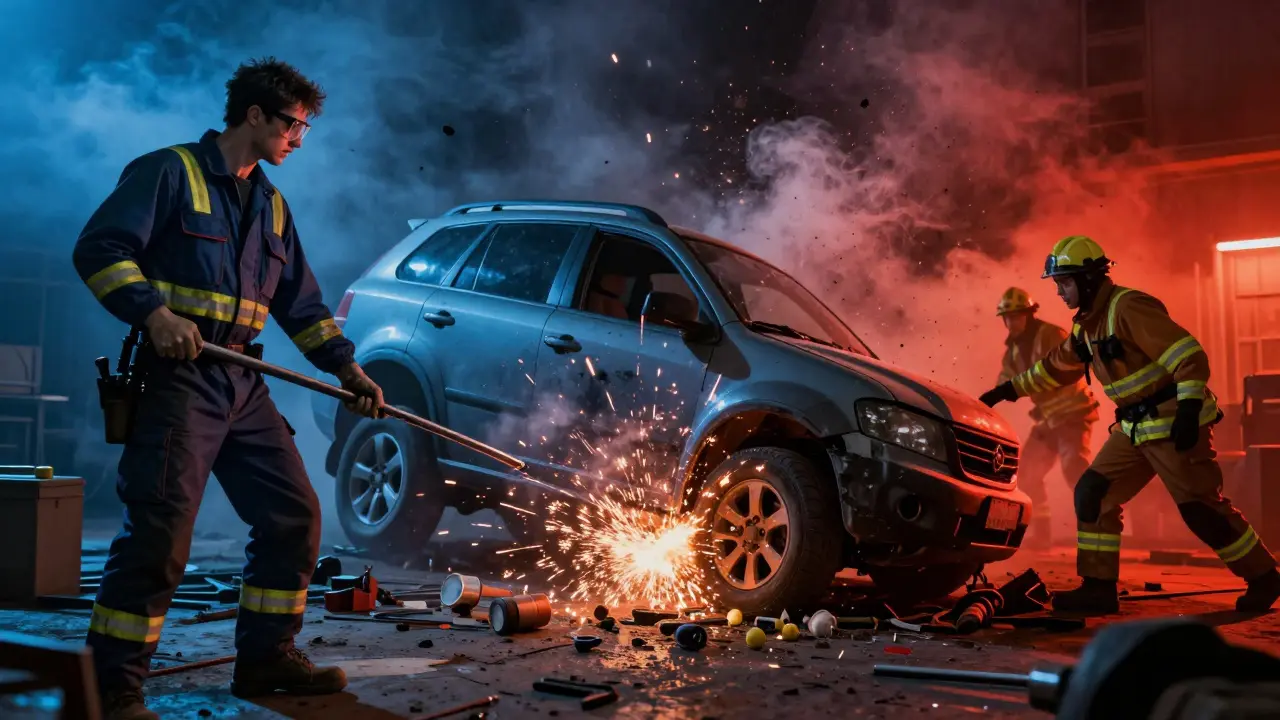
What Happens When Protocols Are Ignored
A shop in Fort Collins lost a technician last year because a jack stand slipped during a tire rotation. The vehicle rolled, crushing his pelvis. He survived-but he’ll never work again. The shop didn’t have a written safety policy. No training logs. No inspections. The insurance company denied the claim because they found the shop had been cited twice before for the same violations.
It’s not just about injuries. Violating safety protocols can mean:
- Fines from OSHA ranging from $15,000 to over $160,000 per violation
- Lawsuits from injured employees
- Loss of manufacturer certifications (like ASE or EV-specific training credentials)
- Damage to your shop’s reputation
One shop owner told me, “We thought we were saving time by skipping safety steps. Turns out, we were just saving money for the next lawsuit.”
Training and Culture: The Real Game-Changer
Protocols written on a poster mean nothing if no one follows them. The best shops don’t just post rules-they train, test, and reinforce them daily.
- New hires get a 2-hour safety orientation before touching a tool.
- Weekly 10-minute toolbox talks cover one safety topic: “What to do if a battery leaks,” “How to check jack stand ratings,” etc.
- Every technician signs off on a checklist before starting a job.
- Managers do unannounced safety audits-no warning, no setup.
At a shop in Greeley, Colorado, they started giving a $50 bonus to any tech who caught a safety violation before it caused harm. Within six months, near-misses dropped by 72%. People started watching out for each other.

Technology That Makes Safety Easier
Modern tools are designed with safety built in. A 2025 survey of 300 U.S. shops found that those using digital safety checklists saw a 50% drop in incidents compared to paper-based systems.
- Smart jack stands: Some now have weight sensors and alarms that sound if the load exceeds capacity.
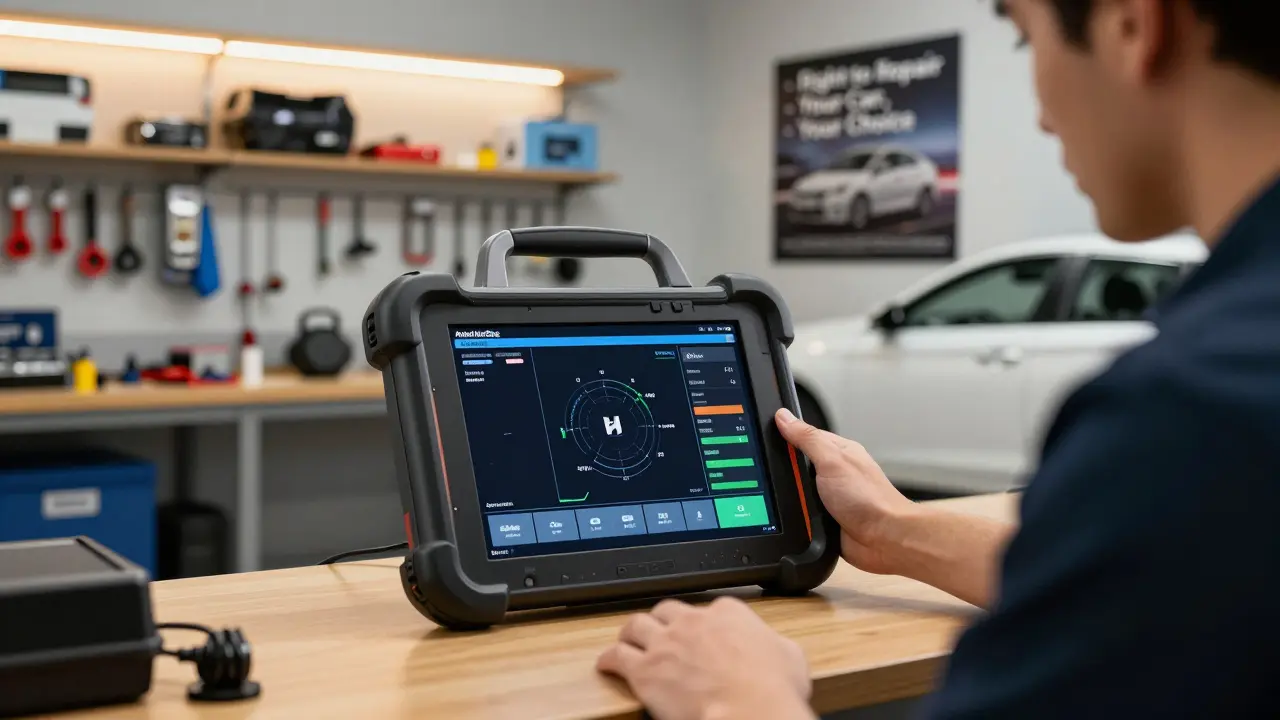
- EV-specific diagnostic tools: These automatically disable high-voltage systems before allowing service access.
- RFID-tagged PPE: Systems that track which gloves, goggles, or aprons are used-and when they need replacing.
- Mobile safety apps: Apps that let techs report hazards in real time, with photos and location tags.
These aren’t luxury upgrades. They’re becoming standard. Shops that resist them are falling behind-not just in efficiency, but in safety.
What You Can Do Today
You don’t need to wait for management to act. Here’s what you can do right now:
- Check your jack stands. Are they rated for the heaviest vehicle you lift? If not, replace them.
- Put on your safety glasses before you start your first job today. Even if you think you’re just changing a tire.
- Ask your shop manager for a copy of the written safety policy. If there isn’t one, request one.
- Learn how to locate and disable the high-voltage disconnect on the EVs your shop services. If you don’t know, ask for training.
- Report a hazard. Not tomorrow. Today. A loose cable, a cracked floor plate, a missing fire extinguisher-it all matters.
Safety isn’t about rules. It’s about respect-for your coworkers, for your customers, and for yourself. You’re not just fixing cars. You’re keeping people alive.
What are the most common safety violations in automotive service shops?
The top violations include using a jack without jack stands, skipping lockout-tagout on hybrid and EV systems, not wearing eye protection, improper storage of hazardous fluids, and working in poorly ventilated areas. These are the leading causes of injuries and OSHA citations. A 2025 survey found that 83% of shops had at least one of these issues during an internal audit.
Do I need special training to work on electric vehicles?
Yes. Working on EVs requires specific training in high-voltage safety, battery handling, and emergency shutdown procedures. ASE offers EV-specific certifications, and most manufacturers require technicians to complete their own training programs before servicing their vehicles. Skipping this training isn’t just risky-it’s illegal under OSHA’s general duty clause if it leads to injury.
How often should safety equipment be inspected?
Safety gear like gloves, goggles, and aprons should be checked before every shift. Jack stands, lifts, and air tools need formal inspections monthly. Fire extinguishers must be checked weekly and serviced annually. Many shops now use digital logs that send automated reminders when inspections are due.
Can a shop be shut down for safety violations?
Yes. OSHA has the authority to issue immediate shutdown orders for willful or repeated violations that pose grave danger. In 2024, a shop in Ohio was closed for three weeks after an employee suffered third-degree burns from a battery explosion. The shop had ignored three prior citations for the same issue. Shutdowns can cost more than $100,000 in lost business and repairs.
What should I do if I see a coworker ignoring safety rules?
Speak up. Politely, but firmly. Say something like, “Hey, I noticed you’re not wearing goggles-want me to grab you a pair?” Most people don’t realize they’re putting others at risk. If they refuse, report it to a supervisor. You’re not being a snitch-you’re preventing an accident. Many shops now have anonymous reporting systems for this exact reason.



Cynthia Lamont
February 28, 2026 AT 15:37Kirk Doherty
March 2, 2026 AT 13:36Dmitriy Fedoseff
March 3, 2026 AT 19:31Meghan O'Connor
March 3, 2026 AT 21:36Morgan ODonnell
March 4, 2026 AT 10:53Liam Hesmondhalgh
March 6, 2026 AT 07:03Patrick Tiernan
March 7, 2026 AT 10:19Patrick Bass
March 7, 2026 AT 10:57