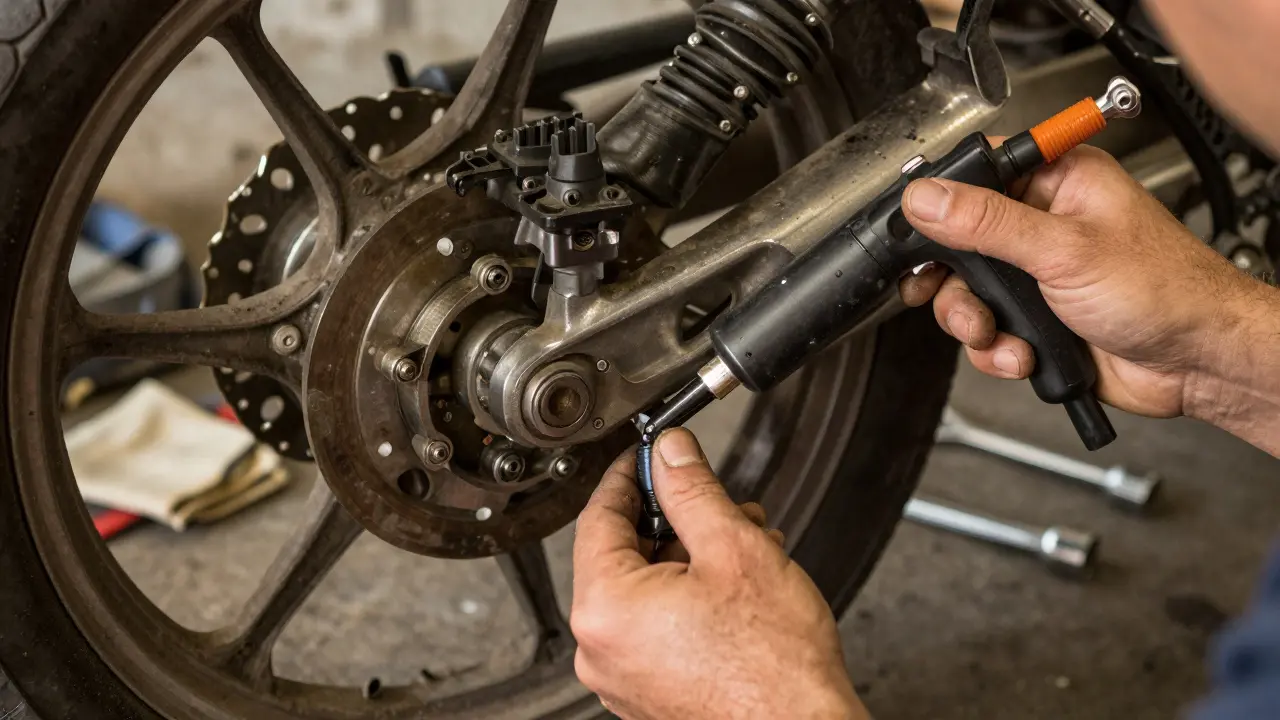
ABS Module: What It Does, Why It Matters, and How It Works With Your Car's Safety Systems
When you slam on the brakes in a panic, the ABS module, the electronic brain behind your anti-lock braking system that prevents wheel lockup during hard stops. Also known as the ABS control unit, it’s the reason your car doesn’t slide out of control on wet roads or ice. Without it, your wheels would lock up, turning your steering into a useless stick. The ABS module constantly monitors wheel speed and pulses the brakes dozens of times per second—faster than any human could—so you keep steering control even when braking hard.
This isn’t just about stopping faster. It’s about staying in control. The ABS module, the central component that coordinates brake pressure based on real-time sensor data works hand-in-hand with your traction control system, a safety feature that prevents wheel spin during acceleration by reducing engine power or applying brake pressure to slipping wheels. In fact, many modern cars use the same sensors and hydraulic components for both systems. When your car detects a skid or loss of grip, the ABS module doesn’t just act alone—it’s part of a larger safety network that includes electronic stability control (ESC) and even some advanced driver aids. If the ABS module fails, your brakes still work, but you lose that critical ability to steer while braking. That’s why a warning light on your dash isn’t just a nuisance—it’s a red flag.
Most failures come from worn sensors, corroded wiring, or fluid leaks that mess with the hydraulic pressure the module controls. You might notice the brake pedal pulsing when it shouldn’t, or your car takes longer to stop on slippery surfaces. Some drivers think they can ignore it if the brakes still stop the car—but that’s like ignoring your seatbelt because the car still moves. The ABS module, a critical safety component that enables controlled braking under stress isn’t optional. It’s the difference between walking away from a near-miss and ending up in a crash.
What you’ll find below are real-world stories and fixes from people who’ve dealt with ABS module problems—how to diagnose them, when to replace them, and how they connect to other systems like brake pads, wheel sensors, and even your car’s computer. Some posts cover how to test the system yourself. Others show what happens when the module fails mid-drive. No fluff. No theory. Just what works on the road.

ABS Warning Light On? Here's What's Really Happening with Your Wheel Speed Sensors and Modules
- 12 Comments
- Nov, 26 2025
The ABS warning light usually means a problem with your wheel speed sensors or ABS module. Learn how these parts work, what causes them to fail, and how to fix it safely and affordably.