ABS Repair: Fixing Your Car's Anti-Lock Braking System
When your ABS repair, a system that prevents your wheels from locking up during hard braking to help you maintain steering control. Also known as anti-lock braking system, it’s one of the most critical safety features in modern cars. Light comes on, it’s not just a warning—it’s a signal your brakes aren’t working the way they should. You might feel the pedal pulsing when it shouldn’t, or notice the car doesn’t stop as smoothly in wet or icy conditions. This isn’t something to ignore. ABS repair isn’t just about turning off a light; it’s about making sure your car can stop safely when you need it most.
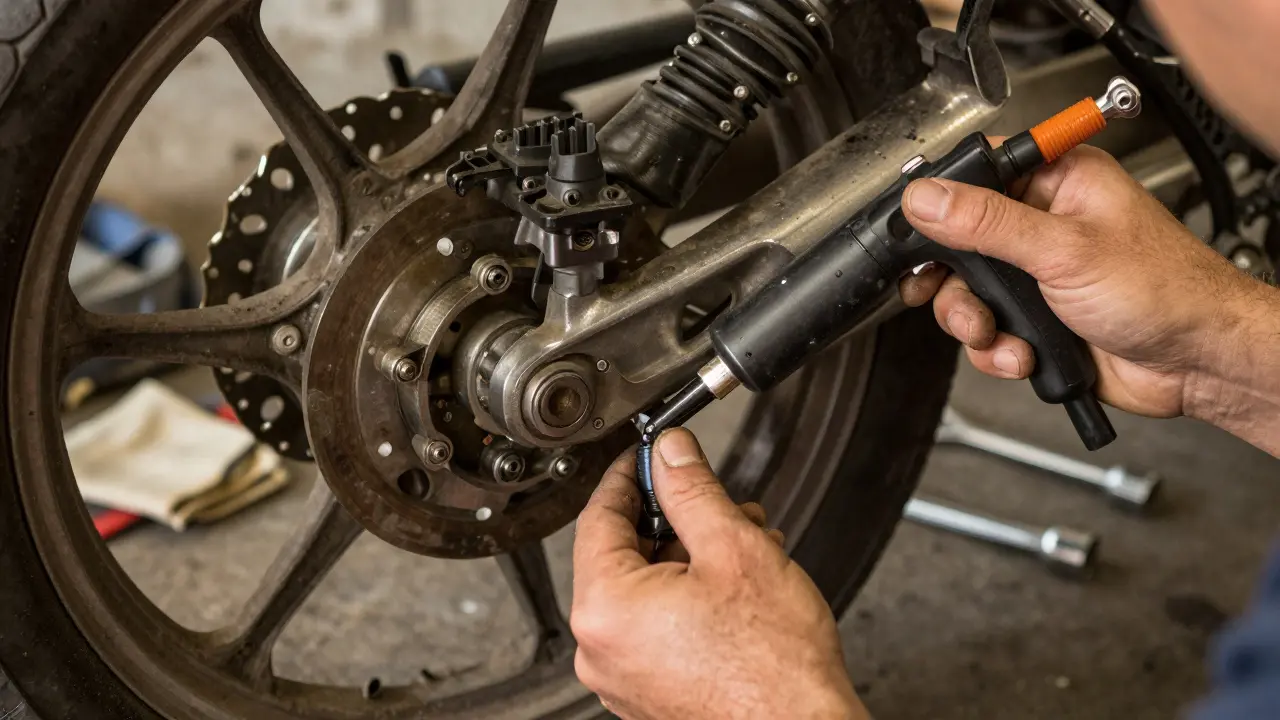
The ABS module, the computer brain that controls brake pressure to each wheel during emergency stops is often the culprit. It gets damaged by water, road salt, or electrical surges. Then there’s the brake sensor, a small device on each wheel that tells the module how fast the tire is spinning. If one breaks or gets covered in metal dust, the system thinks a wheel is locking—even when it’s not. And don’t forget brake fluid, the hydraulic fluid that transfers force from your pedal to the brakes. Old or contaminated fluid can cause the whole system to malfunction. These parts don’t last forever. Most cars need ABS checks around 80,000 to 100,000 miles, but if you drive in harsh conditions, it could be sooner.
Some people try to fix ABS problems by just resetting the light. That might work for a day, but if the sensor is cracked or the module is fried, the problem comes back—usually at the worst time. Real ABS repair means diagnosing the exact issue, not guessing. Mechanics use scanners to read fault codes, then test each sensor’s signal and check for leaks or corrosion. Replacing a single sensor can cost under $150. Replacing the whole module? That’s a $600 to $1,200 job. But skipping it? That’s risking your life and everyone else’s on the road.
You’ll find posts here that show how to spot early signs of ABS failure before the light even comes on. Others walk you through what to check if you’ve already got the warning on. There’s advice on when to replace parts yourself and when to walk away from the jack and call a pro. Some posts even compare the cost of ABS repair versus buying a used car with a working system. All of it comes from real experience—people who’ve been stuck on the side of the road, or saved themselves from a crash because their ABS worked when it counted.
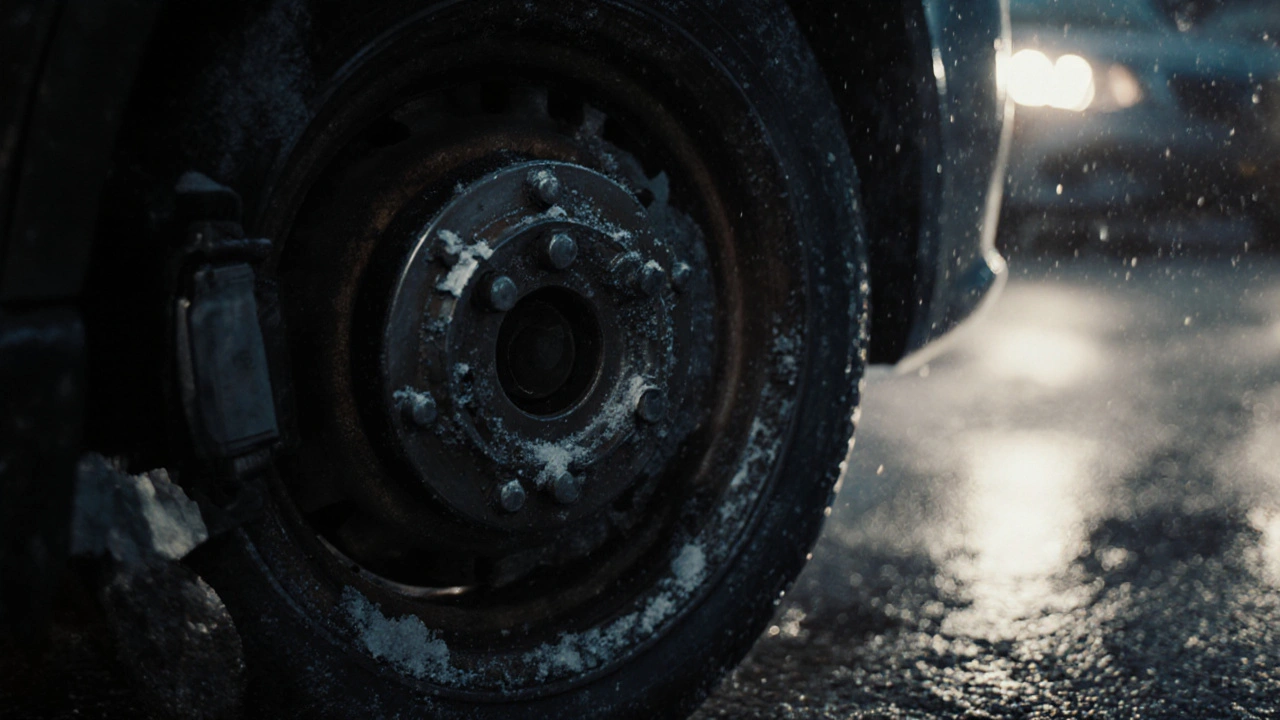
ABS Warning Light On? Here's What's Really Happening with Your Wheel Speed Sensors and Modules
- 12 Comments
- Nov, 26 2025
The ABS warning light usually means a problem with your wheel speed sensors or ABS module. Learn how these parts work, what causes them to fail, and how to fix it safely and affordably.