Car Data Collection: What It Is and Why It Matters for Your Vehicle
When you start your car, it’s already collecting data—how fast you accelerate, when you brake hard, how often the engine overheats, even how much fuel is left after each trip. This is car data collection, the process of gathering real-time information from a vehicle’s sensors and systems to monitor performance, safety, and health. Also known as vehicle telematics, it’s not just for fleet managers or luxury cars anymore—it’s in every modern ride, whether you know it or not.
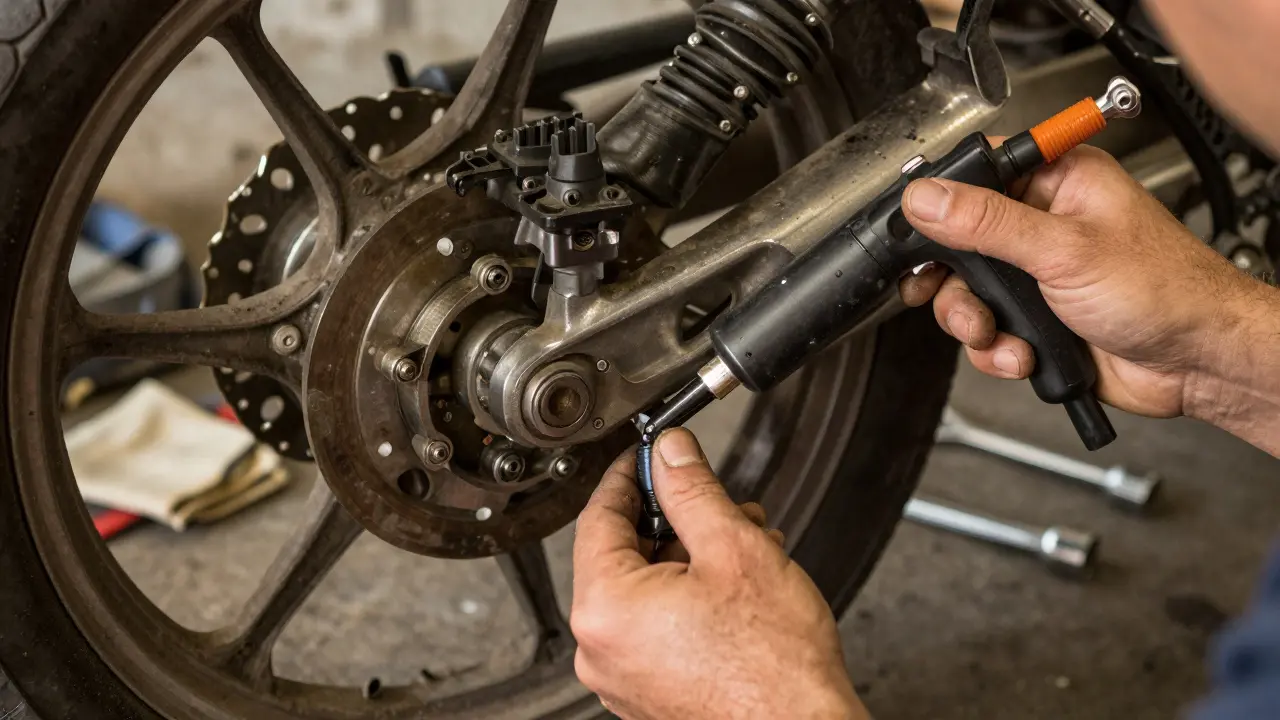
Behind the scenes, this data flows from the OBD2 port, a standardized diagnostic connector found in all cars made after 1996, to your dashboard, your phone app, or your mechanic’s scanner. It tracks things like engine codes, transmission temperature, and even how many times your airbag system has triggered a minor fault. This isn’t spyware—it’s your car’s way of telling you when something’s wrong before it breaks down. And when you need to prove you kept up with maintenance for a warranty claim, those same records are what the insurer or manufacturer asks for. Without them, even a simple repair can be denied.
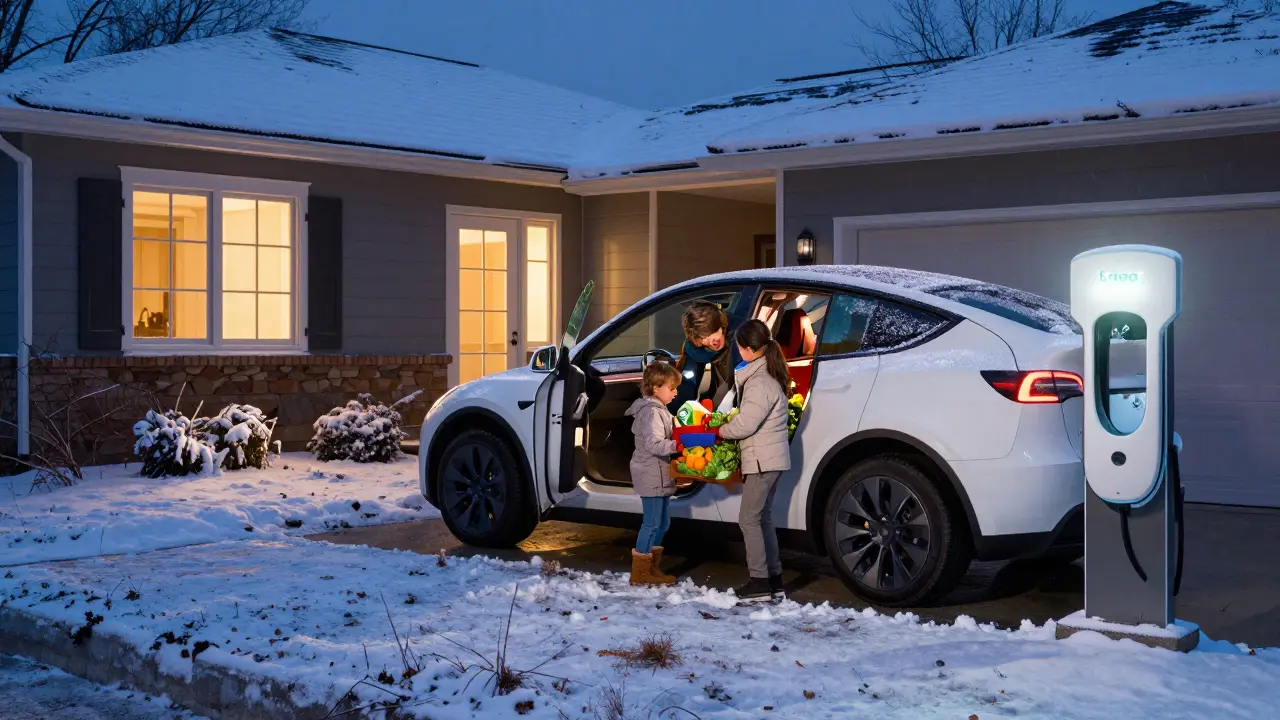
Car data collection also ties directly to safety systems like traction control, a system that uses wheel speed sensors to prevent skidding, and driver monitoring, cameras and sensors that detect if you’re drowsy or distracted. These features rely on constant data input to work. Even something as simple as your EV’s range estimate? That’s built from past driving patterns, climate settings, and battery health—all collected over time.
What you do with that data makes all the difference. Keeping digital or printed copies of your service history? That’s car data collection in action. Using an app to track fuel costs and mileage? That’s part of it too. When you calculate the total cost of owning a used car, you’re pulling from years of collected data—repair bills, oil changes, tire replacements. And when a recall hits, manufacturers use aggregated data from thousands of vehicles to spot patterns and fix problems before more people get hurt.
You don’t need a tech degree to use this. You just need to know what to look for. Whether you’re trying to avoid a costly transmission failure, get your warranty approved, or simply understand why your car’s fuel economy dropped last winter, the answers are already in your vehicle’s data. The question is: are you looking at it?
Below, you’ll find real-world guides on how to use this data to save money, avoid scams, extend your car’s life, and stay safe on the road—from decoding warning lights to organizing service records that actually work when you need them most.