Car Inventory: What to Look For and How to Evaluate Used and New Vehicles
When you're shopping for a car, your car inventory, the collection of vehicles available for purchase at a dealership or online platform. Also known as vehicle stock, it’s more than just a list of models—it’s your starting point for finding something that actually works for your life. A strong car inventory doesn’t just have lots of options; it has the right ones. You want to see real variety: reliable used sedans, well-maintained SUVs, and new models with the features you actually use—not just flashy extras that jack up the price.
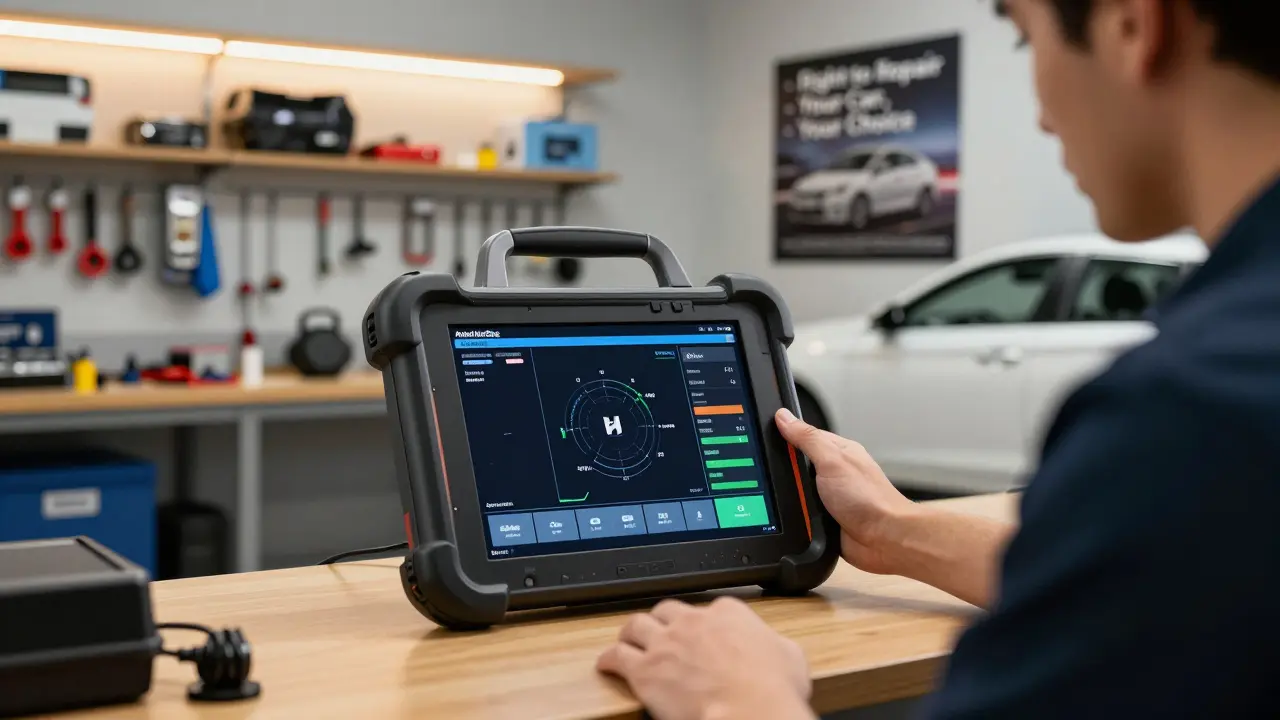
What makes one car inventory better than another? It’s not just about brand names. Look at vehicle evaluation, the process of checking a car’s condition, history, and value before buying. Also known as pre-purchase inspection, it’s what separates a good deal from a money pit. A good inventory includes cars with clear maintenance records, low mileage for their age, and no major accident history. Dealers who care about their inventory don’t just stack cars—they vet them. They know that buyers today want transparency, and they’re willing to show you service logs, inspection reports, and even photos of repairs.
Then there’s used cars, vehicles previously owned that offer strong value and proven reliability. Also known as pre-owned cars, they make up the bulk of most real car inventories. The best used car inventories include models known for lasting a long time—like Toyota Camrys, Honda Civics, or Subaru Outbacks. These aren’t random picks. They’re the cars people keep for years, and dealers know it. If you see a lot of them in stock, that’s a sign the inventory is curated, not just filled.
And don’t forget new cars, factory-fresh vehicles with full warranties and latest safety tech. Also known as brand-new vehicles, they’re part of any serious inventory too. But here’s the thing: a good inventory doesn’t just push new cars because they’re more profitable. It balances them with used options so you can compare. Maybe a two-year-old SUV with 20,000 miles saves you $8,000 and still has three years of warranty left. That’s the kind of choice a smart inventory gives you.
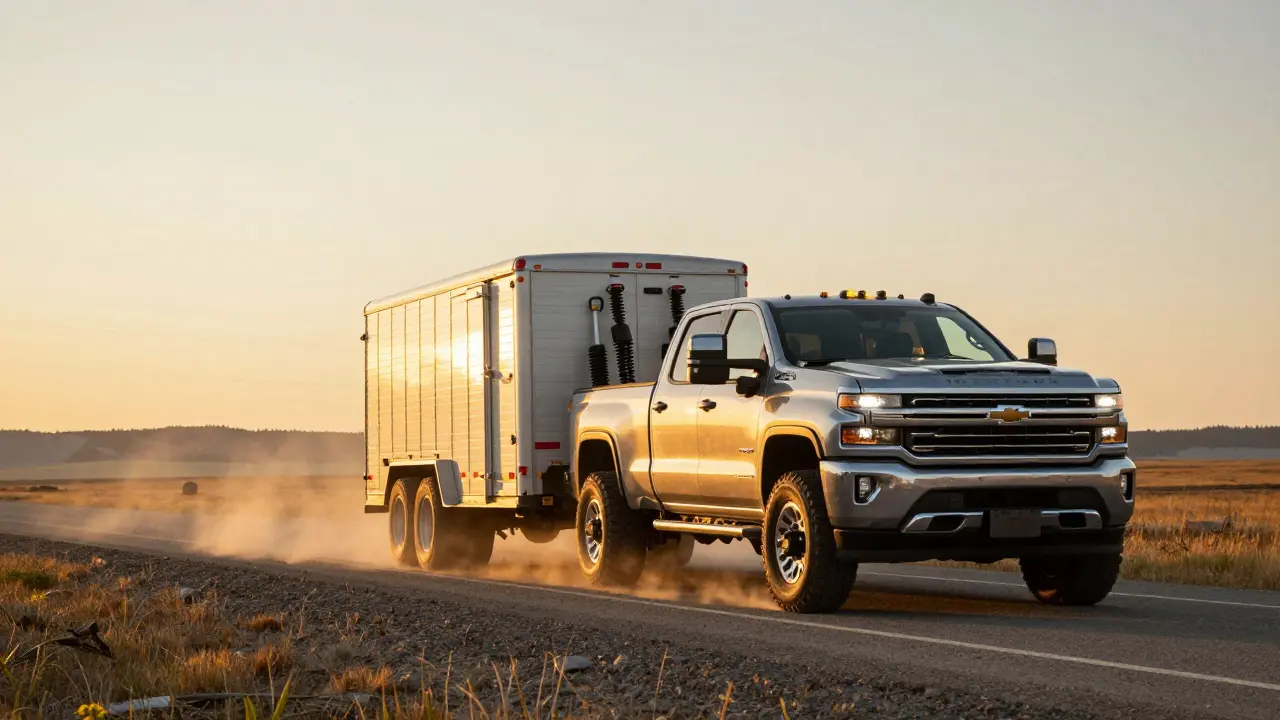
What you won’t find in a solid car inventory? Cars with hidden damage, unclear titles, or no service history. You also won’t see endless repeats of the same model with minor trim changes. Real inventory variety means different body styles, fuel types, and price points. You’ll see hybrids alongside gas models, trucks next to compact crossovers, and cars built for city driving alongside ones made for long road trips.
Behind every good car inventory is a system that tracks reliability, resale value, and customer feedback. That’s why you’ll see the same names pop up again and again—Toyota, Honda, Subaru, Hyundai. They’re not just popular. They’re dependable, and dealers know that. A car that holds its value stays in inventory longer because it sells faster.
What’s in this collection? Real guides on how to check a car’s condition before buying, how to spot a bad deal, and what features actually matter over time. You’ll find tips on reading vehicle history reports, understanding depreciation, and choosing between new and used based on your budget. No fluff. Just what you need to walk into a dealership—or browse online—with confidence.

Dealer-to-Dealer Trades: How to Fill Inventory Gaps Quickly
- 11 Comments
- Nov, 28 2025
Dealer-to-dealer trades let auto dealers quickly fill inventory gaps by swapping vehicles directly with other dealers. Learn how to use this fast, low-cost method to turn slow sellers into high-demand stock.